Virtual Try-On and AI Product Imagery Are Finally Good Enough to Replace Studio Photography
For categories from fashion to furniture, the next wave of online merchandising will be generated, not photographed.
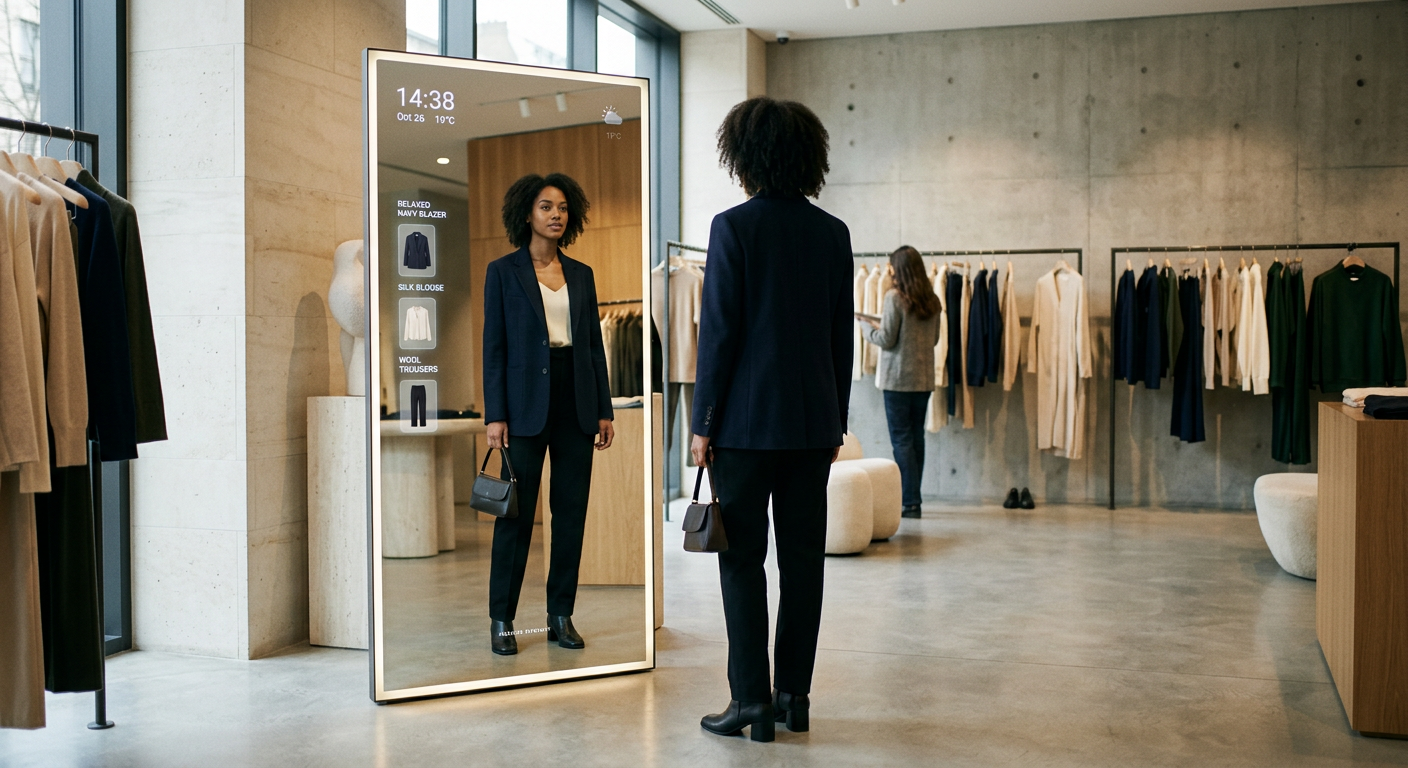
The most expensive line item in many DTC P&Ls is no longer paid media — it is product photography. That cost is collapsing. Generative imagery, virtual try-on and AI-driven model photography are now producing assets that consumers cannot reliably distinguish from studio shots. The story matters because the economics of building a product catalogue online are being rewritten in real time.
Where the technology is already winning Apparel, eyewear and footwear lead, with virtual try-on now driving measurable lifts in conversion and meaningful drops in returns for early-adopting brands. Furniture and home goods are close behind, with AI-staged room shots replacing increasingly expensive set-build photography.
Where it's still falling short Texture, fit and material accuracy remain the hardest problems, and the highest-AOV categories still rely on real photography for hero assets. There is also a brand-trust dimension: consumers in early studies say they want to know when imagery is AI-generated, even when they cannot tell the difference visually.
Within two years, generated imagery will be the default for online catalogues. Photography will become a craft reserved for the brand, not the long tail.
What to watch next Expect platforms like Shopify, Amazon and Zalando to build native AI-imagery tooling directly into seller workflows, and a regulatory conversation about disclosure to follow. For operators and investors, the read-through is clear: dtc brands that don't restructure their content production now will lose a structural margin advantage.
News Legacy maintains editorial independence. Some recommendations may contain affiliate links. We earn from qualifying purchases at no additional cost to you. Read our policy.
Read Next
Agentic Commerce Is Real — and Shopify, Stripe and Perplexity Are Quietly Wiring It
For the first time, AI agents can actually buy things on behalf of consumers. The infrastructure powering that shift is being built right now.

AI Search Is Quietly Eating Product Discovery — and Brands Are Still Catching Up
ChatGPT, Perplexity and Google's AI Overviews are now meaningful sources of pre-purchase research, and the brands that adapt early are winning disproportionate share of voice.

AI Customer Service Has Crossed a Quality Threshold — and the Vendor Landscape Is Being Rewritten
Zendesk, Intercom, Ada and a new wave of agent-native challengers are competing to define what frontline customer service looks like in 2026.
One short email. Stories you can use.
A free, occasional email from our editorial team with our latest features, explainers and reads. Unsubscribe any time — your email stays with us.