Apple's Retail Strategy, Explained: Why the Store Still Matters in an All-Digital Era
Two decades after Steve Jobs opened the first Apple Store, the format is quietly becoming the company's most important commerce, services and AI distribution channel.
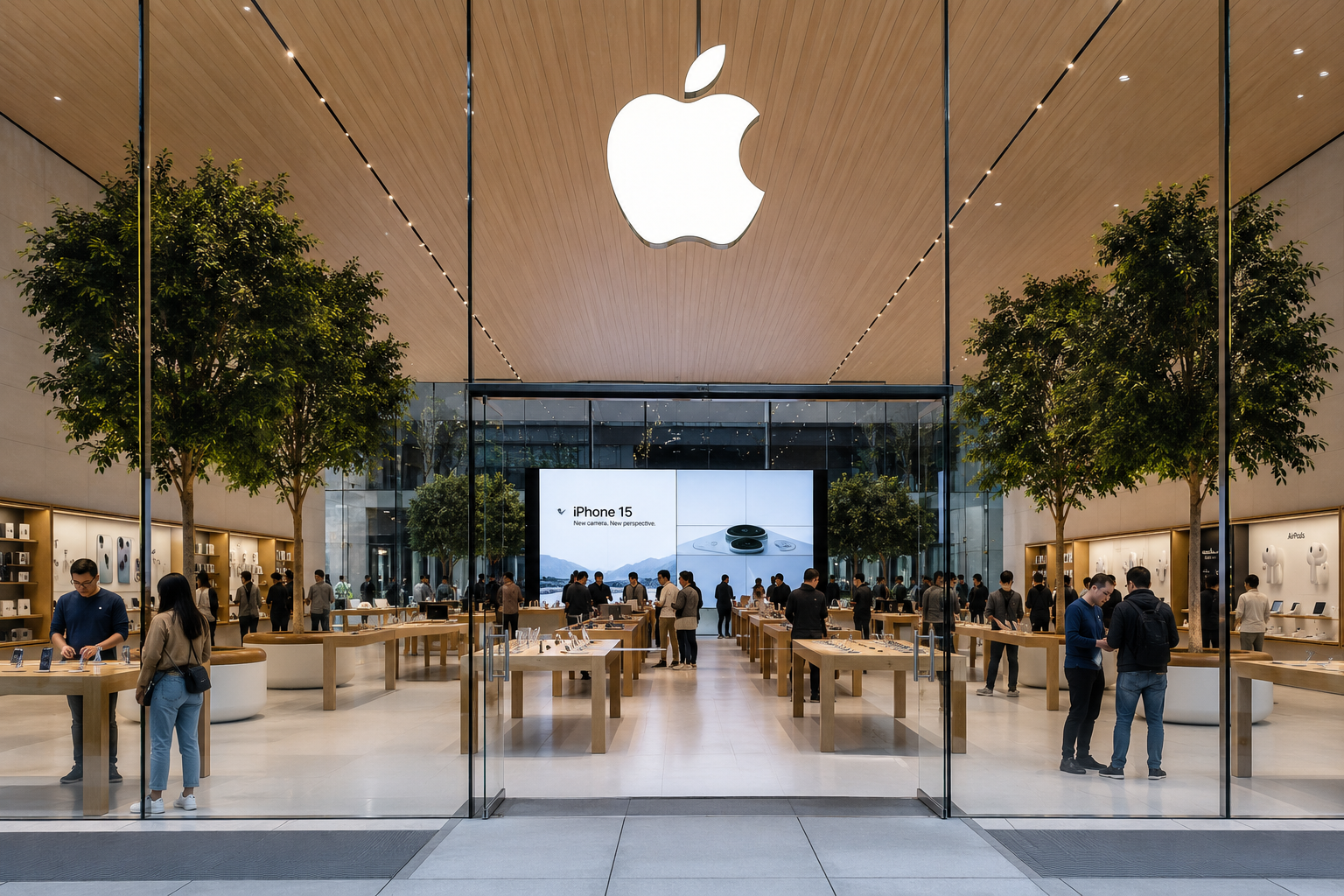
Apple opens fewer stores than almost any retailer of its size, yet generates more revenue per square foot than any of them. With more than 530 locations across roughly 25 countries, the Apple Store remains the highest-performing physical retail format in the world. The reason matters far beyond Cupertino: in an era when most brands are quietly closing doors, Apple is doubling down on the store as the connective tissue between hardware, services and increasingly artificial intelligence.
The original thesis still holds When Apple opened its first store in Tysons Corner in 2001, the bet was that controlling the customer experience end-to-end would compound brand equity in a way that resellers never could. That thesis has held through three iPhone supercycles, the launch of the Apple Watch, the rise of services and now the Vision Pro era. The store is where the brand promise is rehearsed in person, every day, in dozens of languages.
A services and trade-in machine The modern Apple Store is no longer primarily a hardware showroom. AppleCare attach rates, trade-in volume, financing sign-ups, Apple Pay activations and increasingly Apple Card enrolments are now central to store productivity. Trade-in alone has become one of the most important levers in Apple's iPhone upgrade economics, and the in-store experience consistently outperforms online when it comes to converting customers from outright purchase to financed upgrade plans.
Today at Apple, genius work and the AI hand-off The Today at Apple programming, the Genius Bar and one-to-one setup sessions have evolved into a structured education funnel for Apple Intelligence and the broader services portfolio. As generative AI features become more central to the Apple ecosystem, the store is the place where most non-technical customers first encounter them — and where Apple controls the framing.
Format evolution: flagship, neighbourhood, and partner Apple's footprint is more nuanced than it appears. Flagship stores in cities like New York, London, Shanghai and Bangkok function as brand monuments and tourist destinations. Neighbourhood stores in suburban malls handle the bulk of repair, upgrade and accessory volume. A growing network of authorised resellers and carrier partners extends reach without diluting the owned-store experience.
Apple's stores are not a relic of pre-digital retail. They are the most disciplined example of physical commerce as a software, services and AI distribution channel.
What other brands routinely get wrong about copying Apple Many retailers have tried to clone elements of the Apple Store — the open layout, the wood tables, the floor staff with iPads — and almost none have replicated the underlying economics. The reason is simple: Apple's store works because the rest of the company is engineered around it. Inventory, software, services, financing and after-sales are designed to converge in a single physical experience. Without that vertical integration, the format is theatre. With it, it is the most productive square footage in retail.
What to watch next Expect Apple to continue expanding selectively in India, Southeast Asia and the Middle East while densifying in existing markets. Expect the store to play a larger role in Apple Intelligence onboarding, Vision Pro demand creation and services attach. For the rest of retail, the read-through is unchanged: the store still matters — but only when the rest of the company is built to make it matter.
News Legacy maintains editorial independence. Some recommendations may contain affiliate links. We earn from qualifying purchases at no additional cost to you. Read our policy.
Read Next

Inside the New American Retail Tech Stack: Target, Kroger and Lowe's Are Quietly Building Like Software Companies
The largest American retailers are no longer technology buyers — they are increasingly technology developers, with engineering organisations to match.
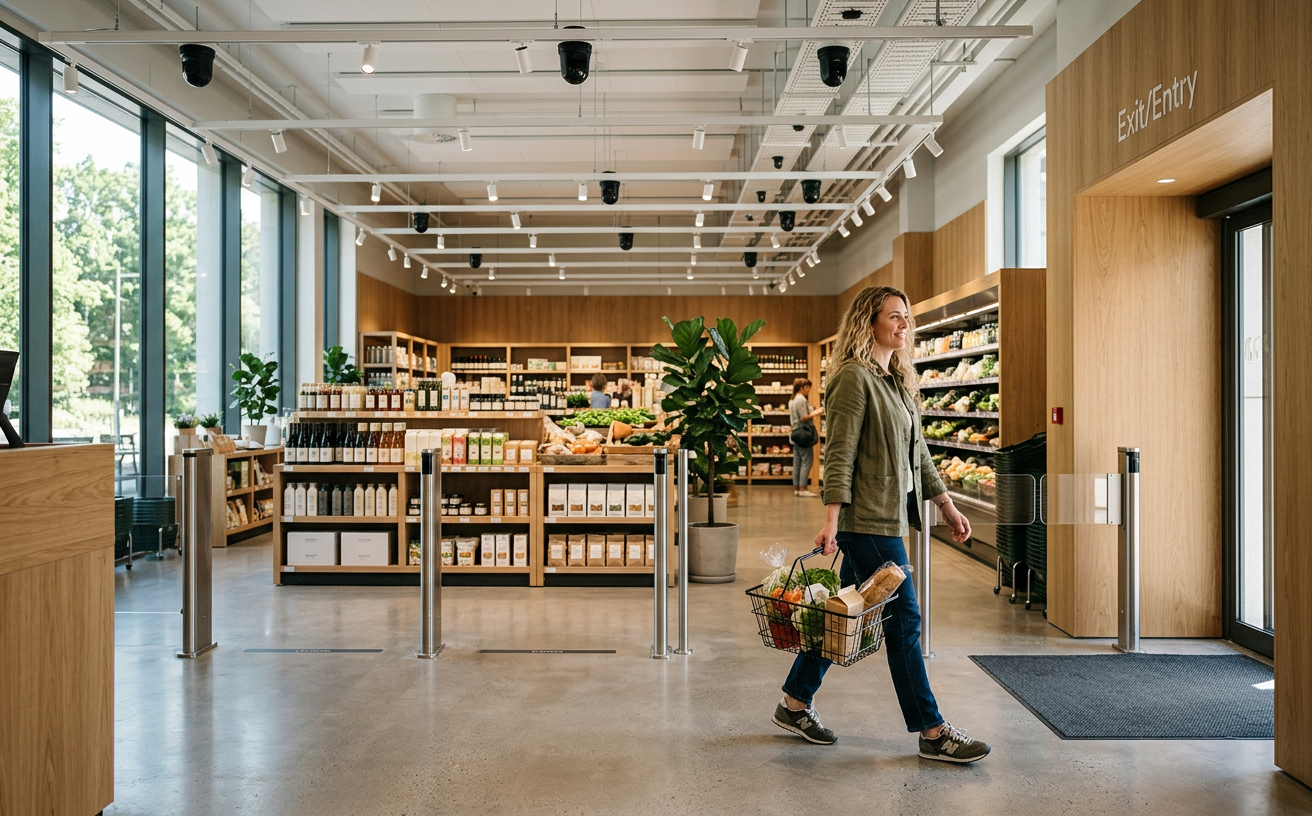
Europe's Checkout-Free Stores Have Stopped Being a Pilot — They Are Becoming Standard Format
Aldi, Tesco, Rewe and Carrefour are now operating frictionless stores at meaningful scale across the United Kingdom and continental Europe.
Retail Media Has Quietly Become the Most Profitable Business in Global Retail
Walmart Connect, Tesco Media and Carrefour Links are now generating high-margin revenue that is starting to dwarf the operating profit of the underlying retail businesses.
One short email. Stories you can use.
A free, occasional email from our editorial team with our latest features, explainers and reads. Unsubscribe any time — your email stays with us.