Why American Retailers Are Spending Billions on Cameras That Watch Themselves
Computer vision has become the most aggressive new line item in the U.S. retail capex budget — driven not by experience, but by shrink.
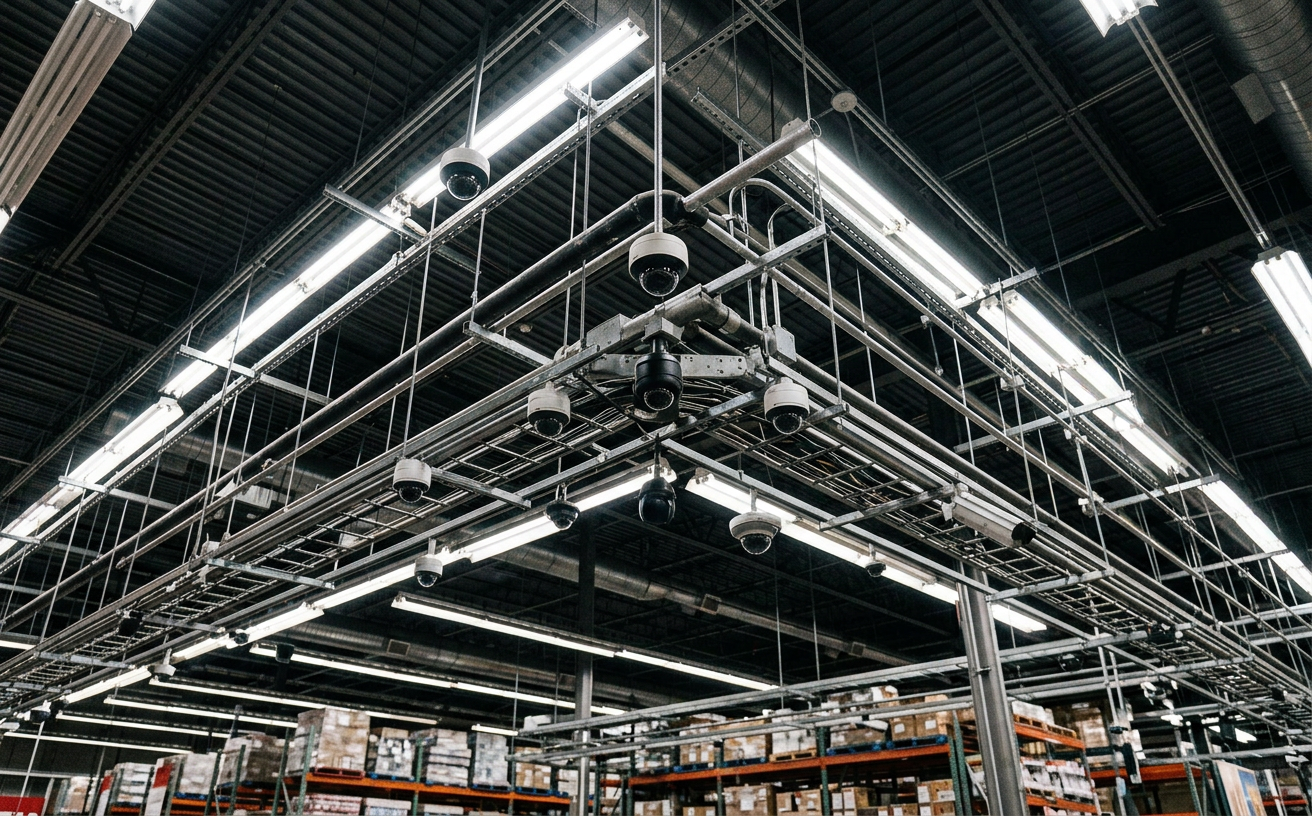
Walk into any large American big-box store this year and look up. The number of ceiling-mounted cameras has roughly doubled in eighteen months, and almost all of them now feed real-time computer-vision systems trained to detect theft, mis-scans and process failures at self-checkout. The story matters because organised retail crime and self-checkout shrink have become a board-level issue for every u.s. retailer above a certain footprint.
The economics are brutal The largest U.S. retailers report shrink rates that have nearly doubled since 2019, with self-checkout estimated to account for a meaningful share of the increase. Computer-vision systems that can flag a suspected mis-scan or missed item in real time are paying for themselves in months in the highest-loss stores.
The privacy debate is real but quiet U.S. retailers have largely avoided the European-style scrutiny of in-store vision because the systems are framed as loss prevention rather than personalisation. That framing is unlikely to hold forever; the same camera infrastructure is already being repurposed for store-operations analytics and marketing.
The cameras started out as loss prevention. Within a year they will be the most valuable behavioural-data asset any large retailer owns.
What to watch next Expect the line between loss-prevention vision and behavioural-vision analytics to dissolve quickly — and a new wave of regulatory attention to follow. For operators and investors, the read-through is clear: physical retail's data infrastructure is being rebuilt at speed, mostly out of public view.
News Legacy maintains editorial independence. Some recommendations may contain affiliate links. We earn from qualifying purchases at no additional cost to you. Read our policy.
Read Next

Inside the New American Retail Tech Stack: Target, Kroger and Lowe's Are Quietly Building Like Software Companies
The largest American retailers are no longer technology buyers — they are increasingly technology developers, with engineering organisations to match.
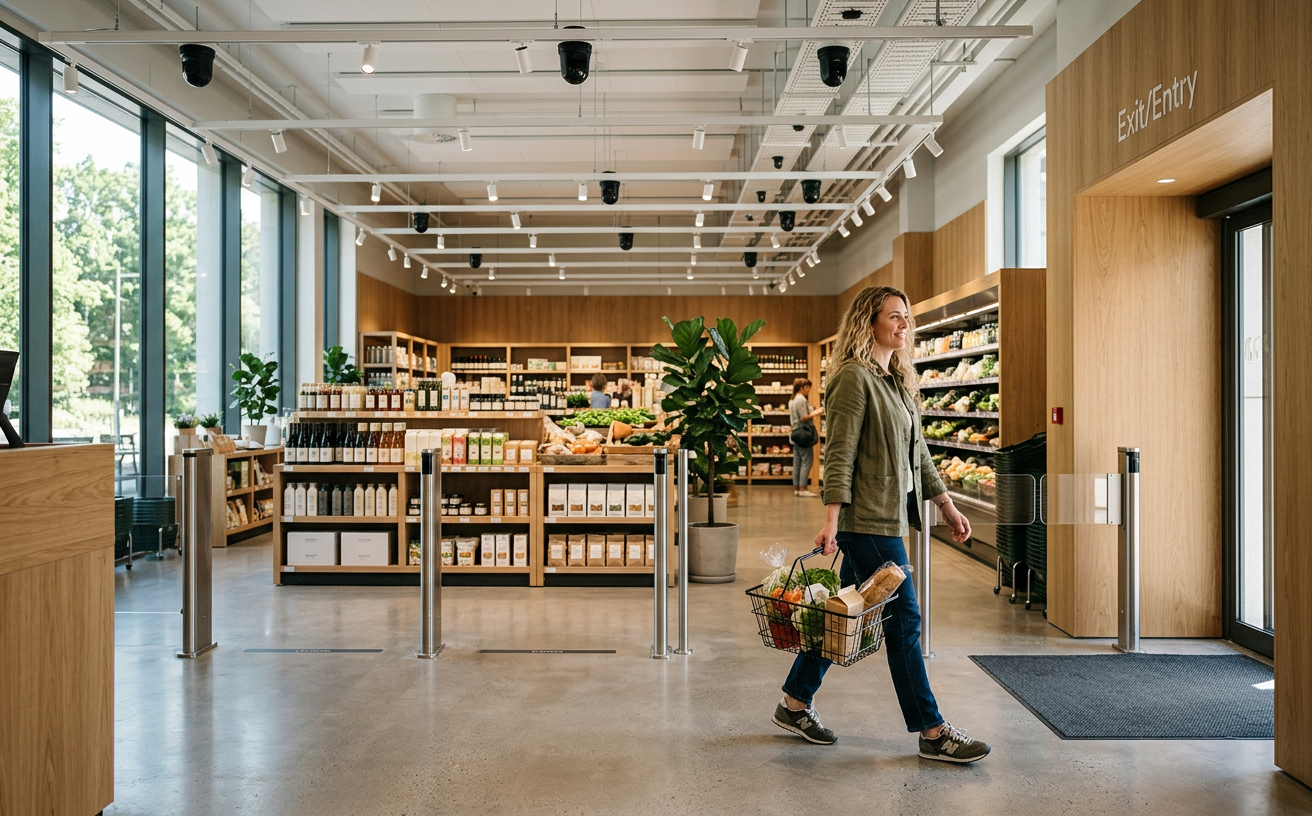
Europe's Checkout-Free Stores Have Stopped Being a Pilot — They Are Becoming Standard Format
Aldi, Tesco, Rewe and Carrefour are now operating frictionless stores at meaningful scale across the United Kingdom and continental Europe.

Retail Media Has Quietly Become the Most Profitable Business in Global Retail
Walmart Connect, Tesco Media and Carrefour Links are now generating high-margin revenue that is starting to dwarf the operating profit of the underlying retail businesses.
One short email. Stories you can use.
A free, occasional email from our editorial team with our latest features, explainers and reads. Unsubscribe any time — your email stays with us.