The 2026 Outlook for U.S. Ecommerce: Amazon, Walmart and Shopify Are Quietly Rewriting the Rules
Three operating systems now run American online retail. The next twelve months will decide which of them controls the next decade of the consumer wallet.
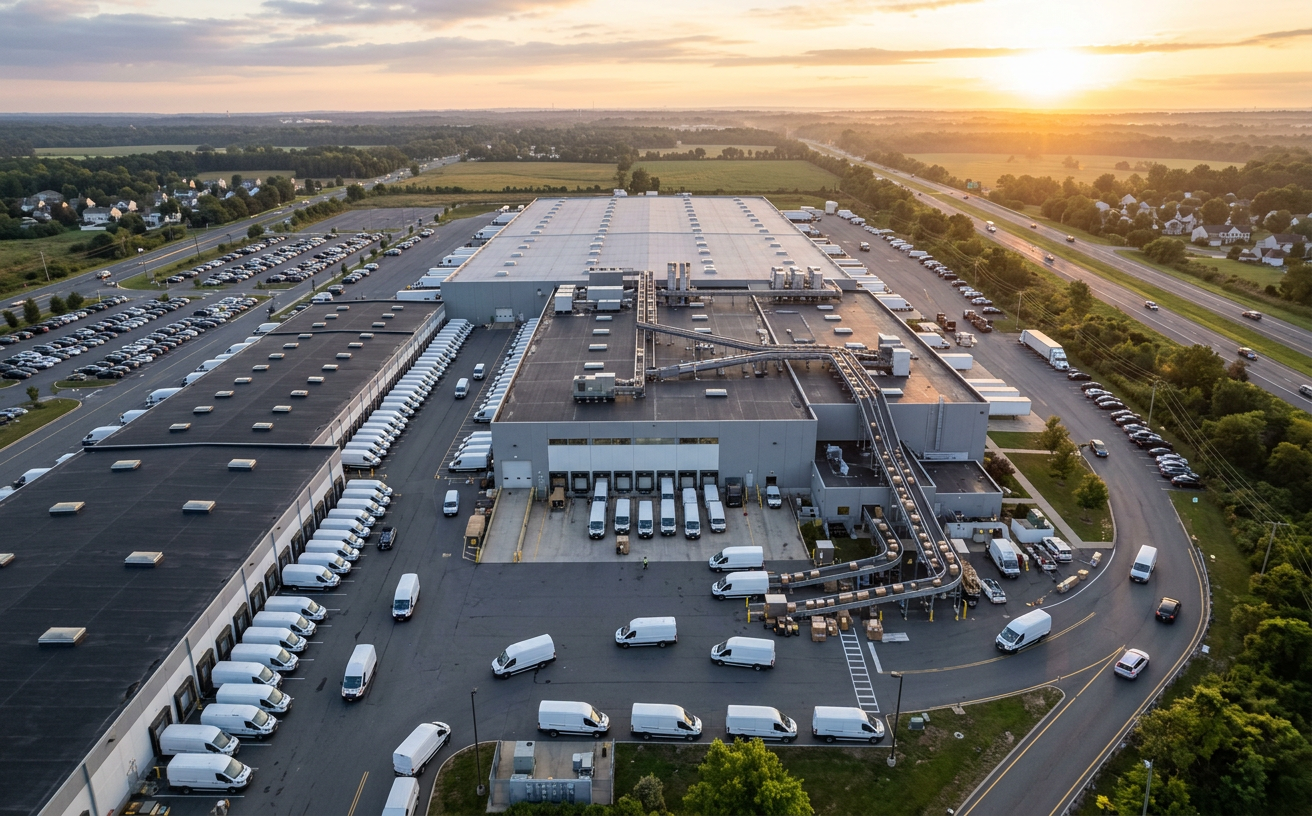
American online retail crossed an inflection point this spring. For the first time, more than half of U.S. shoppers told pollsters they begin a non-grocery purchase on a marketplace rather than a search engine — and almost none of them said they care which company owns it. The story matters because the platforms competing for that opening behavior are no longer just retailers — they are infrastructure.
A three-rail market Amazon still owns roughly two of every five online dollars spent in the United States, but the gap is narrowing in categories where Walmart's price wall and same-day grocery pull are strongest. Shopify, meanwhile, has quietly become the third rail — powering more than ten percent of U.S. online GMV through the merchants it hosts, and increasingly through Shop Pay, Shop App and its agentic checkout layer.
Where the margin is moving Retail media has become the real operating profit story. Amazon's ad business is now larger than the entire global revenue of any traditional U.S. department store chain. Walmart Connect crossed an estimated $5 billion run-rate this quarter and is gaining ground on grocery CPG budgets that historically belonged to Meta and Google.
The next decade of American ecommerce will be defined less by who sells the most and more by who controls the search bar, the checkout button and the ad slot above them.
What to watch next Expect the marketplaces to keep expanding into logistics, advertising and financial services while Shopify's merchant base pushes deeper into AI-native discovery. For operators and investors, the read-through is clear: the brands that win will be the ones treating each rail as a distinct operating channel, not a single funnel.
News Legacy maintains editorial independence. Some recommendations may contain affiliate links. We earn from qualifying purchases at no additional cost to you. Read our policy.
Read Next

Britain's Ecommerce Rebound: How ASOS, Next and M&S Are Engineering a Profitable Comeback
After three years of margin pain, the United Kingdom's largest online retailers are growing again — but on dramatically different terms than before.

Europe's Ecommerce Map Is Still Beautifully Fragmented — And That's the Opportunity
While the U.S. consolidates around three platforms, Europe remains a continent of national champions: Zalando, Allegro, Cdiscount, Bol and a dozen more.

Shopify vs. Amazon: The Merchant Economics That Will Decide the Next Five Years
For independent brands, the choice between owning the customer on Shopify or renting reach on Amazon has become the single most important strategic decision in commerce.
One short email. Stories you can use.
A free, occasional email from our editorial team with our latest features, explainers and reads. Unsubscribe any time — your email stays with us.