What Sephora Is Doing Differently — and Why It Keeps Outrunning the Beauty Market
While department stores retreat and pure-play beauty marketplaces consolidate, Sephora is quietly compounding share on three continents. The playbook is more disciplined than it looks.
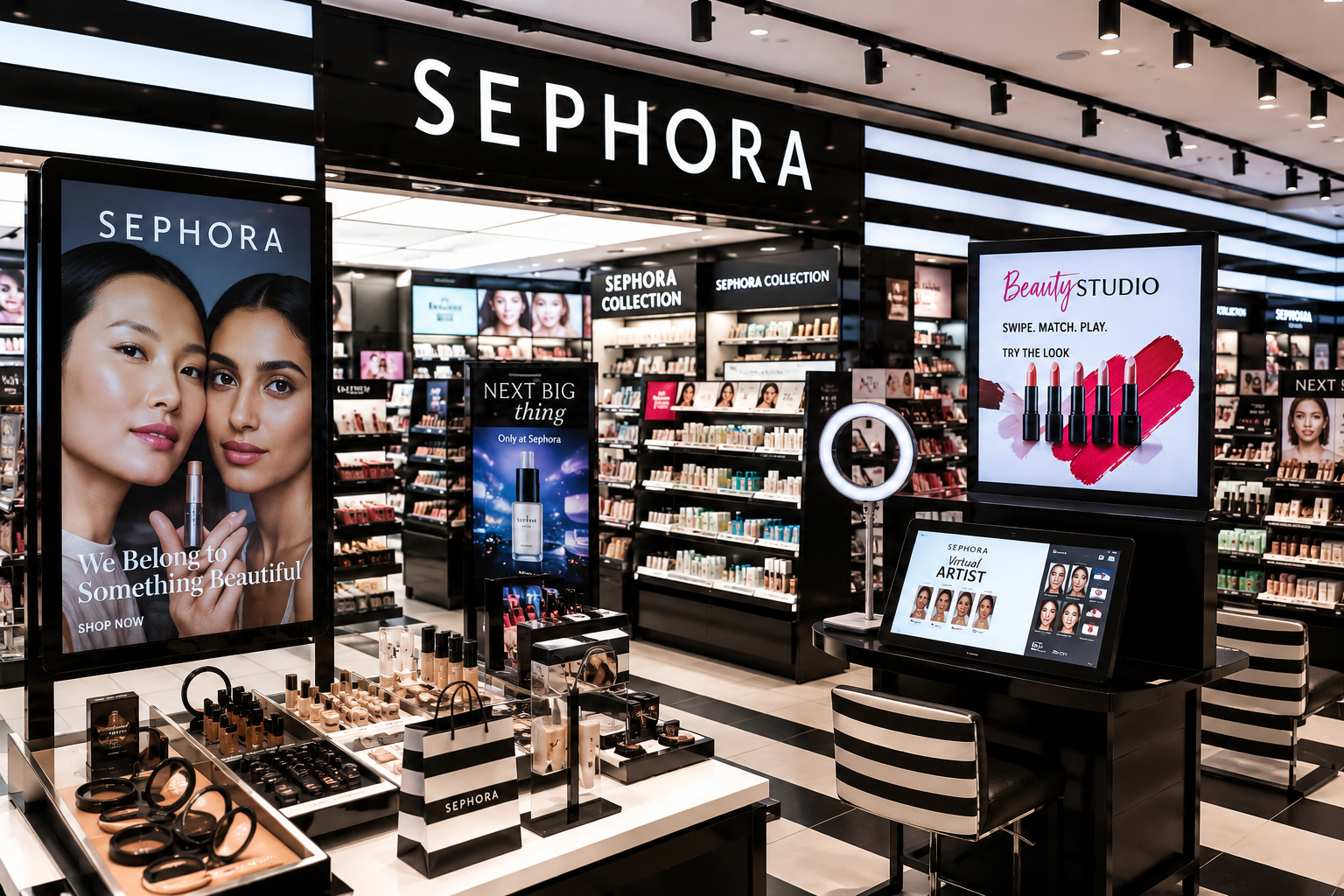
Beauty is one of the few consumer categories that has out-performed expectations on both sides of the Atlantic for three years running. Inside that category, Sephora has out-performed almost every competitor it touches. The chain has gained share against Ulta in the United States, against Boots and Space NK in the United Kingdom, and against Douglas across continental Europe — while expanding profitably into new markets through its partnership with Kohl's and its own store openings.
A house of brands, curated for discovery Sephora's competitive moat starts with assortment discipline. Where mass beauty retailers carry breadth, Sephora curates. Independent founder-led brands are introduced early, scaled selectively and given physical merchandising support that Amazon cannot replicate. Rare Beauty, Drunk Elephant, Glow Recipe, Summer Fridays, Refy and a long list of others built meaningful businesses inside Sephora before they reached mass distribution elsewhere.
Beauty Insider as a data and loyalty engine The Beauty Insider programme is one of the most effective loyalty schemes in modern retail. Tiered benefits, birthday gifts, point multipliers and early-access drops convert a transactional category into a relationship. The data exhaust feeds merchandising, personalisation and marketing in ways that pure marketplaces struggle to match because they do not own the customer relationship in the same way.
Stores that actually merchandise Sephora's stores are designed for testing, sampling and assisted discovery — not just transactions. Trained beauty advisors, open-sell fixtures and a deliberately high SKU density per square foot turn the store into a category education venue. The recent rollout of smaller-format stores inside Kohl's locations across the United States has extended the model into suburban catchments that the flagship footprint never reached.
Digital that actually compounds Sephora.com, the Sephora app and the brand's content engine work as a single funnel. Live virtual try-on, ingredient explainers, founder videos and shoppable editorial give the digital experience an editorial feel that converts without leaning on heavy promotion. The brand has resisted the discount spiral that has hollowed out parts of department-store beauty.
Sephora's edge is not a single tactic. It is the discipline of doing assortment, loyalty, store design and digital well enough that no single competitor can copy the whole stack.
What competitors keep missing Ulta has matched Sephora on scale in the U.S. but trails on independent-brand curation and international presence. Boots and Douglas have superior local distribution but weaker founder-brand pipelines. Pure-play marketplaces win on price discovery but lose on the experiential layer that drives premium beauty repeat. The pattern is consistent: Sephora wins on the integration of the parts, not on any one of them.
What to watch next Expect Sephora to keep extending the Kohl's partnership, push deeper into Latin America and the Middle East, and continue compressing the time between an indie brand's launch and its shelf debut. For the rest of beauty retail, the read-through is clear: the winners of the next cycle will be the ones that treat curation, loyalty, store and app as one operating system rather than four departments.
News Legacy maintains editorial independence. Some recommendations may contain affiliate links. We earn from qualifying purchases at no additional cost to you. Read our policy.
Read Next

Inside the New American Retail Tech Stack: Target, Kroger and Lowe's Are Quietly Building Like Software Companies
The largest American retailers are no longer technology buyers — they are increasingly technology developers, with engineering organisations to match.
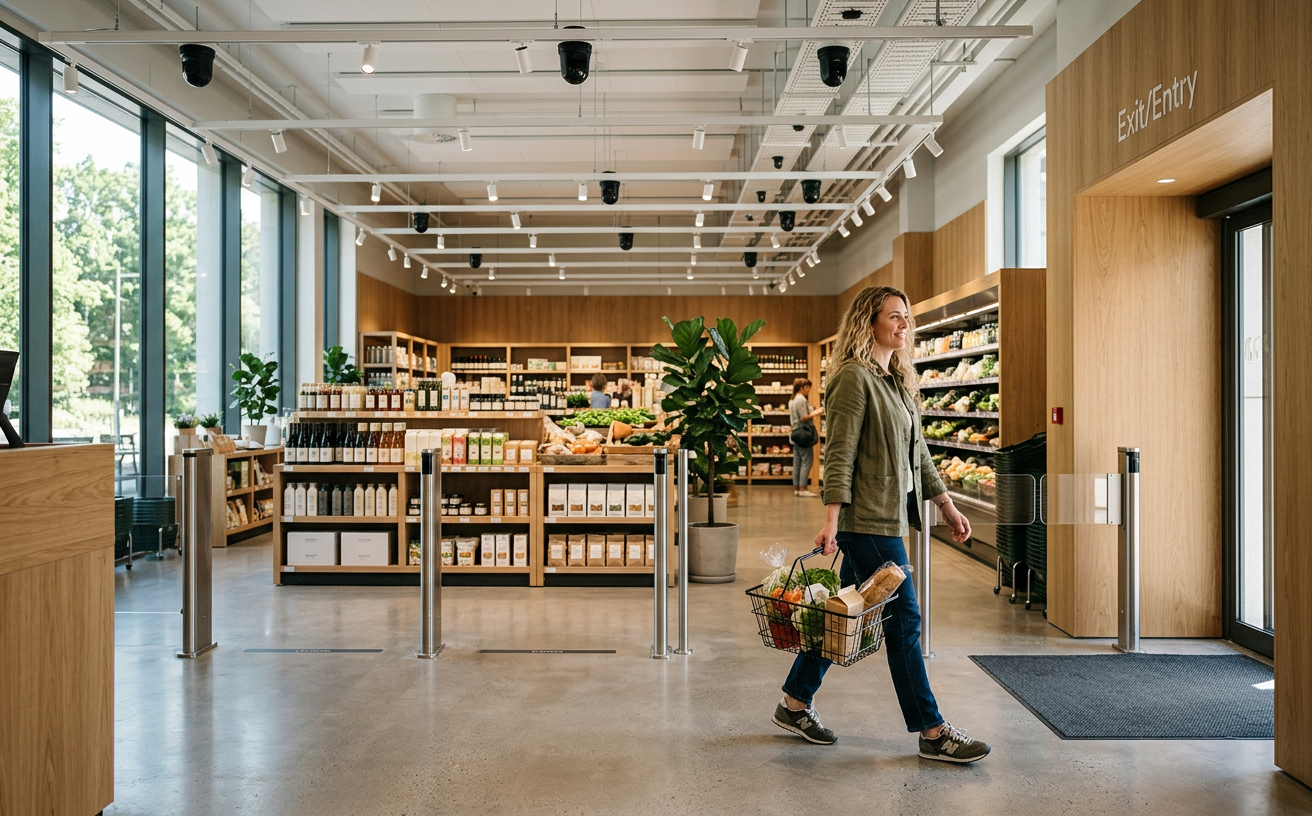
Europe's Checkout-Free Stores Have Stopped Being a Pilot — They Are Becoming Standard Format
Aldi, Tesco, Rewe and Carrefour are now operating frictionless stores at meaningful scale across the United Kingdom and continental Europe.
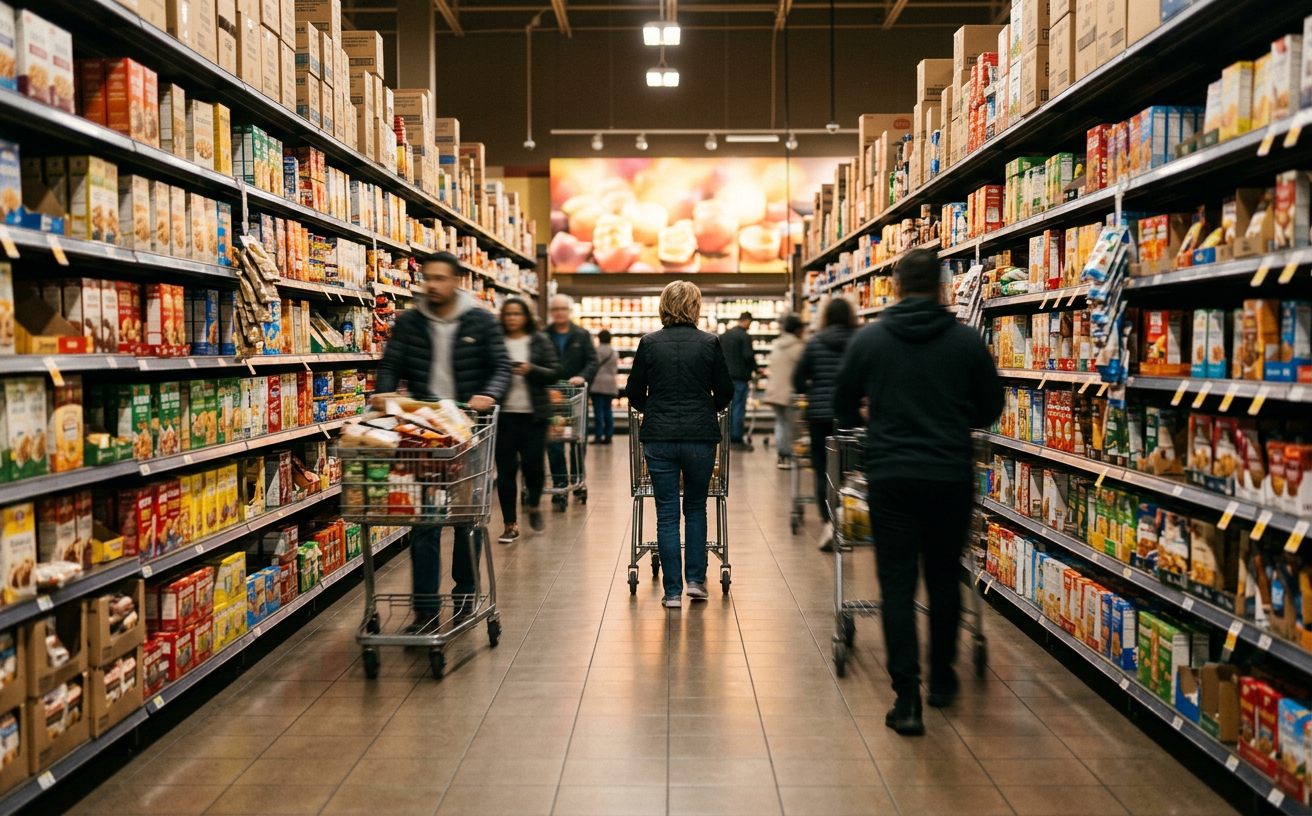
Retail Media Has Quietly Become the Most Profitable Business in Global Retail
Walmart Connect, Tesco Media and Carrefour Links are now generating high-margin revenue that is starting to dwarf the operating profit of the underlying retail businesses.
One short email. Stories you can use.
A free, occasional email from our editorial team with our latest features, explainers and reads. Unsubscribe any time — your email stays with us.