Amazon's Third-Party Seller Math Has Broken — and the Marketplace Is Adjusting
All-in fees on Amazon now exceed half of revenue for the average mid-sized seller. The result is a quiet but meaningful shift in where independent sellers spend their time.

The conversation among Amazon sellers has changed. Three years of compounding fee increases — referral, fulfilment, storage, ads, returns — mean the all-in cost of selling on Amazon for the average mid-sized seller now consumes more than half of revenue, leaving very little room for product investment, brand building or even modest margin. The story matters because the economics of operating as a third-party seller on amazon have fundamentally changed, and so have the responses.
Where sellers are diversifying Walmart Marketplace continues to gain share among sophisticated U.S. sellers, with materially friendlier all-in economics in many categories. Shopify-led DTC is back on the table for sellers with the brand and content sophistication to make it work, and TikTok Shop has emerged as a meaningful incremental channel.
What Amazon is doing in response Selectively, Amazon has begun reducing referral and fulfilment fees in categories where seller defection is most acute, and has invested heavily in seller tools and education. The structural fee pressure, however, has not reversed.
Amazon is no longer the easy default it was for the past decade. The smartest sellers now treat it as one channel among several, not the channel.
What to watch next Expect continued seller diversification, more aggressive growth from Walmart Marketplace, and an inevitable rebalancing of fees as Amazon protects against further attrition. For operators and investors, the read-through is clear: single-marketplace seller strategies are now structurally fragile.
News Legacy maintains editorial independence. Some recommendations may contain affiliate links. We earn from qualifying purchases at no additional cost to you. Read our policy.
Read Next

TikTok Shop, Temu and Shein Have Permanently Changed What an American Marketplace Looks Like
The fastest-growing marketplaces in the United States are barely two years old — and they are quietly forcing Amazon, Walmart and the broader retail ecosystem to respond.

Europe's Marketplaces Are Quietly the Most Interesting Operators in Global Retail
Zalando, Allegro, Bol and a cohort of national champions are running disciplined, profitable marketplaces in markets that Amazon has spent a decade trying to dominate.
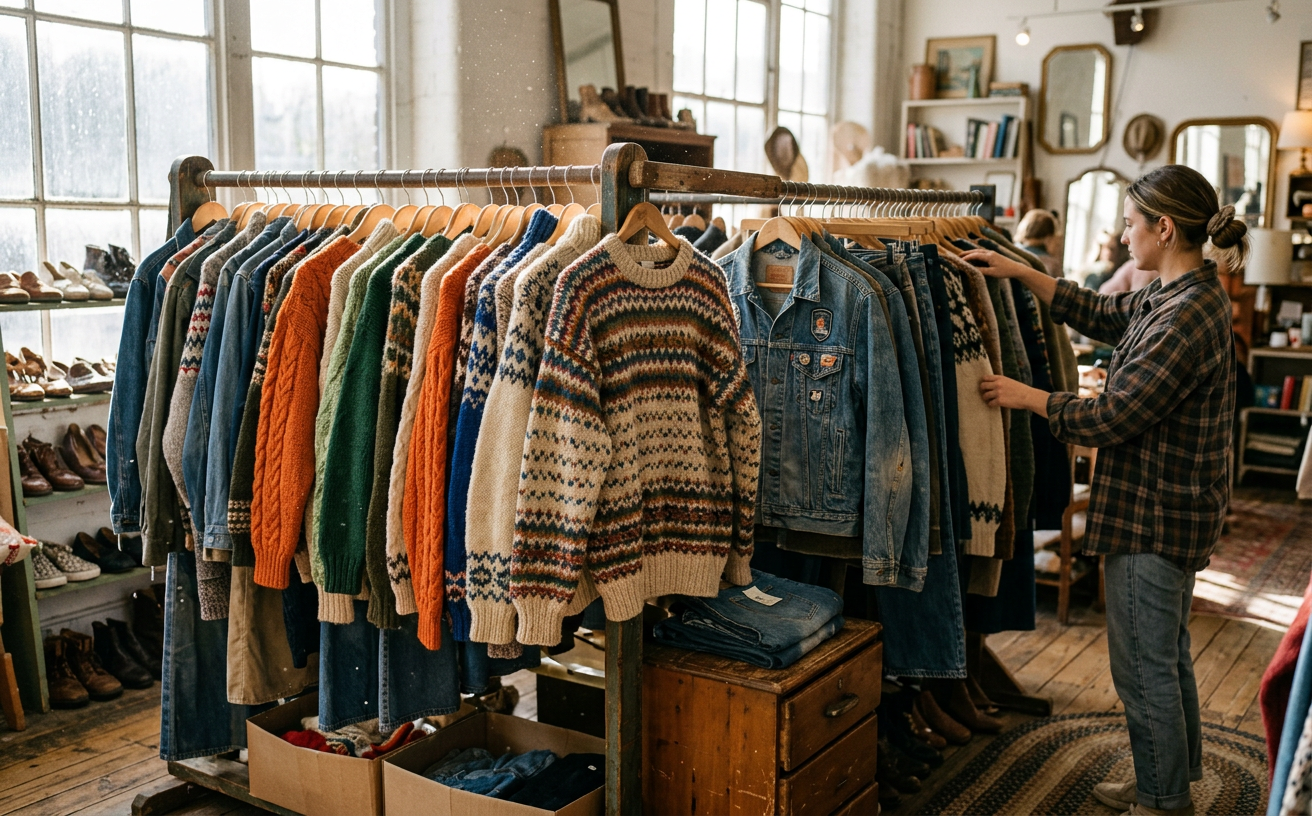
The Quiet Resurgence of Second-Hand and Specialty Marketplaces
Vinted, Depop, eBay and a generation of focused marketplaces are growing faster than anyone expected — and reshaping how younger consumers shop.
One short email. Stories you can use.
A free, occasional email from our editorial team with our latest features, explainers and reads. Unsubscribe any time — your email stays with us.