The Quiet Resurgence of Second-Hand and Specialty Marketplaces
Vinted, Depop, eBay and a generation of focused marketplaces are growing faster than anyone expected — and reshaping how younger consumers shop.
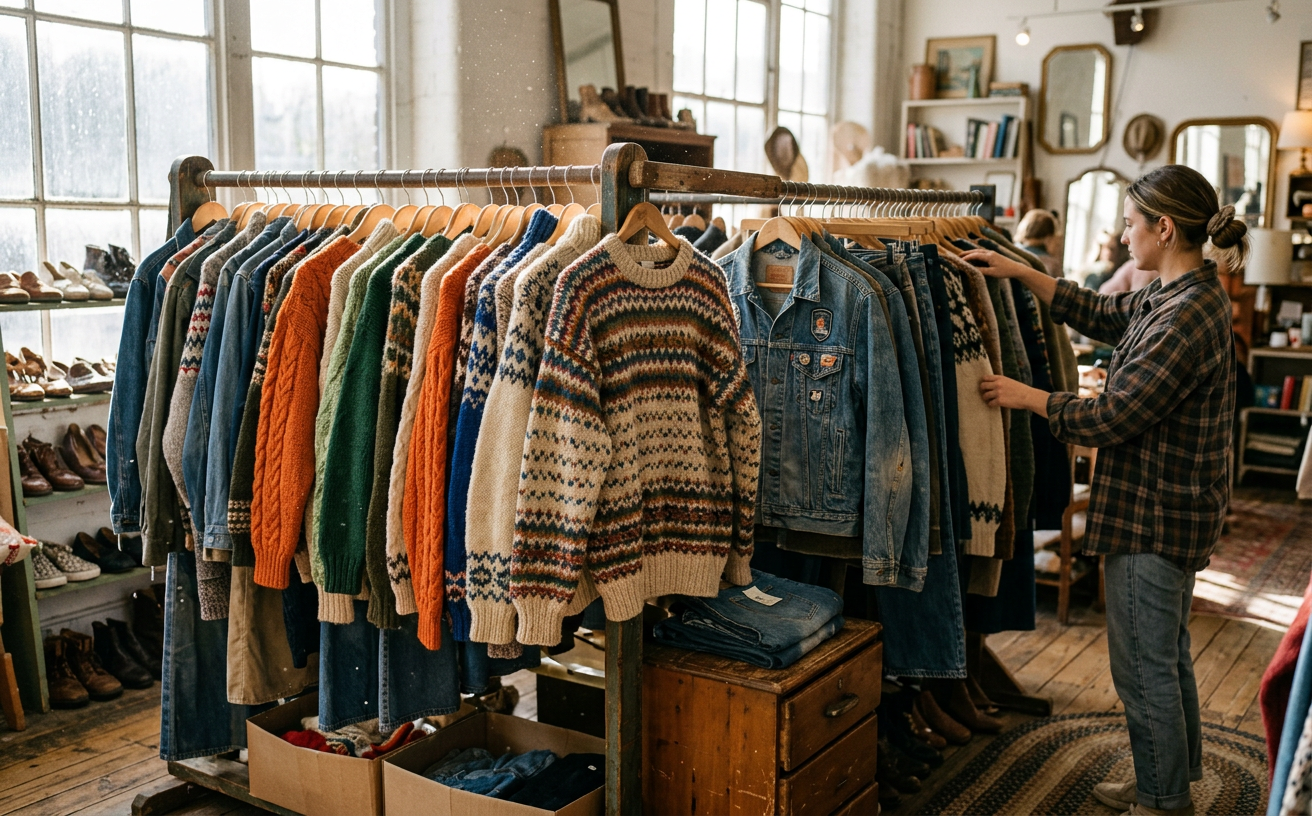
The marketplaces that were supposed to be quietly fading out are doing the opposite. Vinted is now one of the largest fashion marketplaces in Europe by transaction volume. eBay's apparel business has rebounded sharply on the back of the resale boom. Depop continues to grow share with younger consumers despite intense competition. The story matters because resale and specialty marketplaces are now meaningful structural categories, not niche or cyclical curiosities.
What's driving the comeback Younger consumers are more comfortable buying pre-owned than any generation before them — for reasons that are part economic, part environmental and part cultural. At the same time, the resale platforms have invested in trust, authentication and logistics in ways that have closed the experience gap with new-goods marketplaces.
What the new shape looks like Brands themselves are increasingly participating — operating their own resale programs, partnering with platforms or building authentication infrastructure. The line between primary and secondary commerce is blurring in categories from luxury handbags to children's clothing.
Resale isn't a movement anymore. It is a permanent layer of the retail stack.
What to watch next Expect more brand-owned resale, more authentication standards and continued growth in specialty marketplaces serving very specific consumer segments. For operators and investors, the read-through is clear: any consumer brand without a resale strategy is leaving customer relationships and margin on the table.
News Legacy maintains editorial independence. Some recommendations may contain affiliate links. We earn from qualifying purchases at no additional cost to you. Read our policy.
Read Next

TikTok Shop, Temu and Shein Have Permanently Changed What an American Marketplace Looks Like
The fastest-growing marketplaces in the United States are barely two years old — and they are quietly forcing Amazon, Walmart and the broader retail ecosystem to respond.

Europe's Marketplaces Are Quietly the Most Interesting Operators in Global Retail
Zalando, Allegro, Bol and a cohort of national champions are running disciplined, profitable marketplaces in markets that Amazon has spent a decade trying to dominate.

Amazon's Third-Party Seller Math Has Broken — and the Marketplace Is Adjusting
All-in fees on Amazon now exceed half of revenue for the average mid-sized seller. The result is a quiet but meaningful shift in where independent sellers spend their time.
One short email. Stories you can use.
A free, occasional email from our editorial team with our latest features, explainers and reads. Unsubscribe any time — your email stays with us.