Why Tariffs and De Minimis Rules Have Become the Most Important Commerce Story of 2026
From U.S. de minimis reform to European VAT changes, the policy environment for cross-border ecommerce is undergoing the most significant restructuring in two decades.
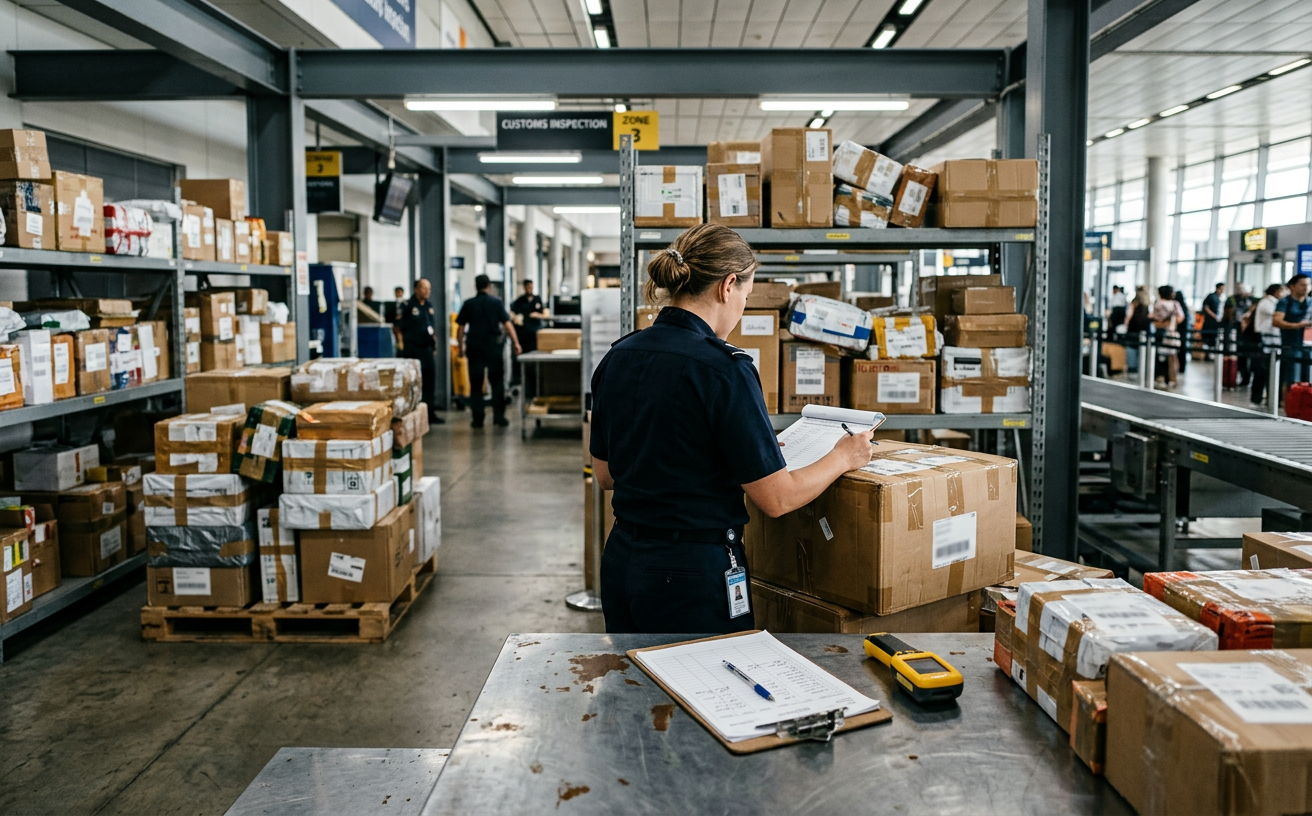
The most important news in global ecommerce this year is happening in legislative chambers, not in product launches. From proposed U.S. de minimis reform aimed at platforms like Temu and Shein to ongoing European VAT and customs adjustments, the policy environment for cross-border ecommerce is undergoing its most significant restructuring in two decades. The story matters because the regulatory shifts will materially reshape which operators are competitive in cross-border commerce going forward.
Where the changes are most consequential U.S. de minimis reform, if enacted in its more aggressive forms, would significantly affect the unit economics of direct-from-China retail platforms that currently benefit from the threshold. European VAT changes have already raised the operational complexity of selling cross-border into and within the EU.
How operators are responding Major cross-border platforms are quietly investing in U.S. and European fulfilment infrastructure to reduce their dependence on direct-import economics. Brands are revisiting their cross-border strategies and building greater regulatory contingency into their operating plans.
The next big disruption in global ecommerce won't come from a new platform. It will come from a new regulation.
What to watch next Expect continued legislative activity in the U.S., U.K. and EU on cross-border commerce, more domestic fulfilment investment from international platforms and more sophisticated regulatory analysis inside commerce strategy teams. For operators and investors, the read-through is clear: any cross-border commerce strategy in 2026 needs a serious regulatory analysis attached to it.
News Legacy maintains editorial independence. Some recommendations may contain affiliate links. We earn from qualifying purchases at no additional cost to you. Read our policy.
Read Next

The Global Retail Power Rankings — Who Actually Runs Modern Commerce
Walmart, Amazon, Alibaba, Costco and a small group of operators now control the vast majority of global organised retail. The rankings have shifted in some surprising ways.
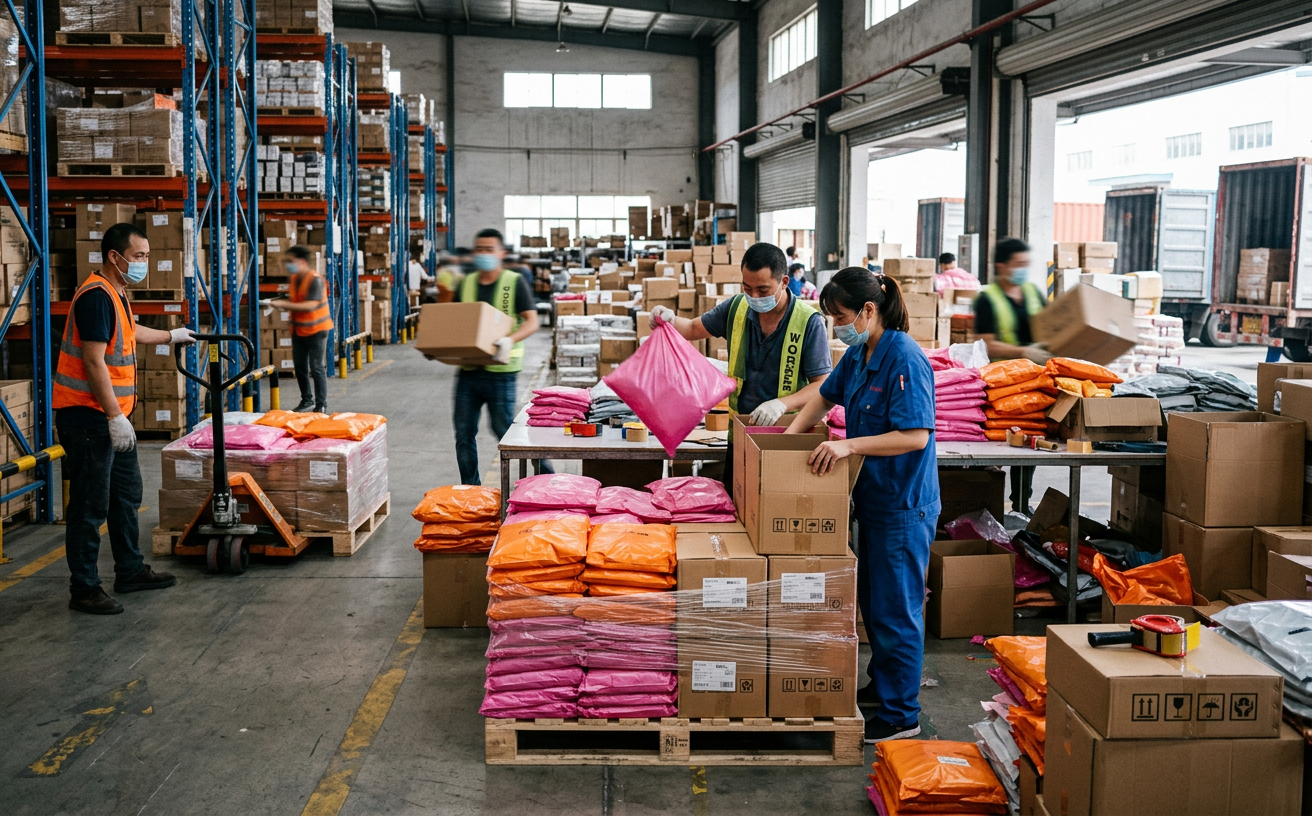
The Quiet Globalisation of Chinese Commerce Operating Models
From Shein to TikTok Shop, the operating playbooks pioneered in China are now actively reshaping how Western consumers shop.

The Quiet Global Convergence of Loyalty Programs
Amazon Prime, Walmart+, Tesco Clubcard and a generation of loyalty programs are converging on a similar shape — and reshaping the customer relationship in the process.
One short email. Stories you can use.
A free, occasional email from our editorial team with our latest features, explainers and reads. Unsubscribe any time — your email stays with us.