The Quiet Global Convergence of Loyalty Programs
Amazon Prime, Walmart+, Tesco Clubcard and a generation of loyalty programs are converging on a similar shape — and reshaping the customer relationship in the process.

Loyalty programs in 2026 do not look much like the punch cards and points schemes of the previous decade. Amazon Prime, Walmart+, Tesco Clubcard, Costco's membership model and a growing list of premium-tier loyalty offerings have converged on a similar shape — paid or near-paid memberships that bundle delivery, financial services, content and identity into a single ongoing customer relationship. The story matters because the modern loyalty program has become one of the most strategic customer-relationship assets any retailer owns.
What the convergence looks like Bundled benefits across delivery, returns, financial services and increasingly content. Higher-frequency customer touchpoints. Significantly improved retention metrics versus non-member customers. For the largest operators, premium loyalty has become a structural margin driver and a meaningful piece of customer-data infrastructure.
What still differentiates Cultural fit, integration into the retailer's broader customer experience and willingness to invest in genuinely differentiated benefits remain the variables that separate strong loyalty programs from also-rans. Several major retailers continue to under-invest in loyalty as a strategic discipline despite its growing importance.
Premium loyalty has become the operating system of the modern customer relationship. The retailers without one are fighting with a hand tied behind their backs.
What to watch next Expect more bundled loyalty offerings, continued integration of financial services and content, and ongoing experimentation with AI-driven personalisation inside loyalty programs. For operators and investors, the read-through is clear: any major retailer without a serious loyalty strategy in 2026 has a structural strategic gap.
News Legacy maintains editorial independence. Some recommendations may contain affiliate links. We earn from qualifying purchases at no additional cost to you. Read our policy.
Read Next

The Global Retail Power Rankings — Who Actually Runs Modern Commerce
Walmart, Amazon, Alibaba, Costco and a small group of operators now control the vast majority of global organised retail. The rankings have shifted in some surprising ways.
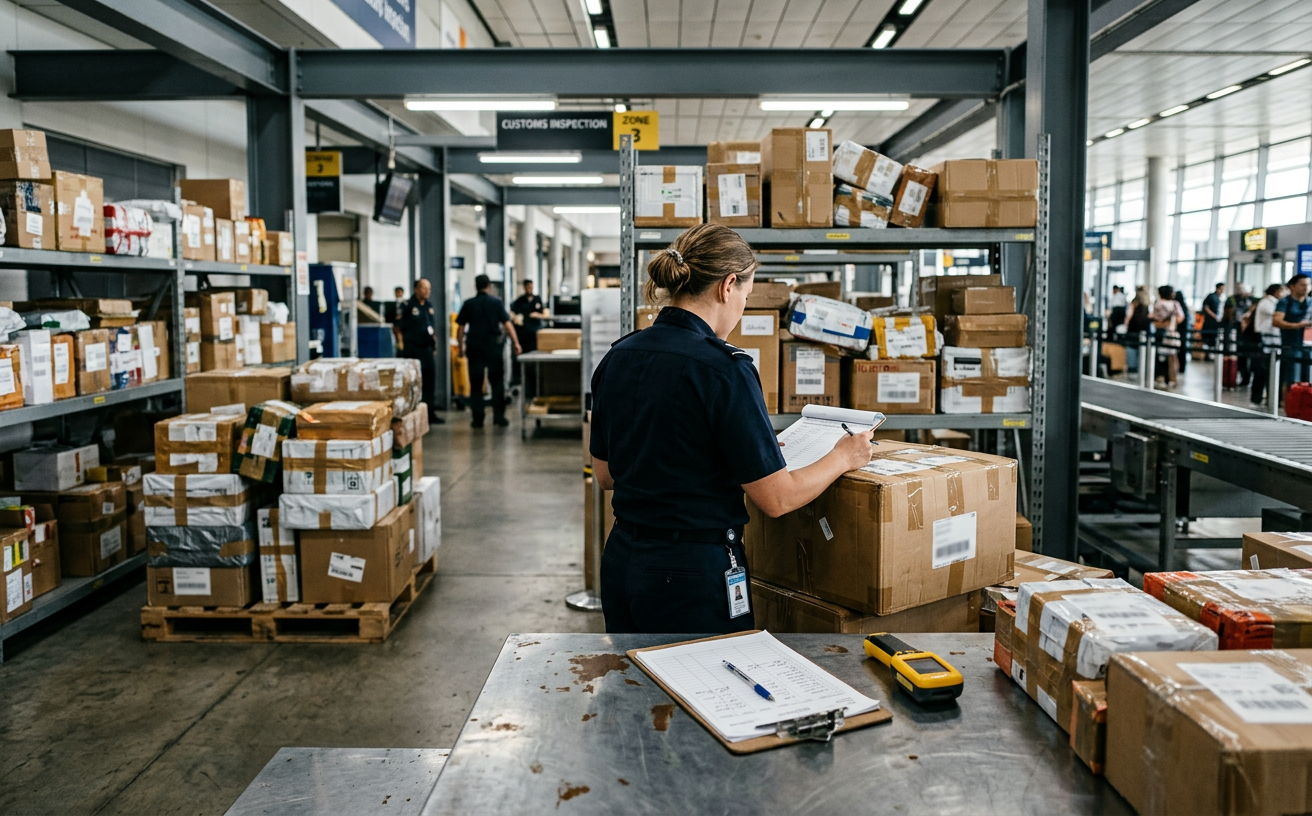
Why Tariffs and De Minimis Rules Have Become the Most Important Commerce Story of 2026
From U.S. de minimis reform to European VAT changes, the policy environment for cross-border ecommerce is undergoing the most significant restructuring in two decades.
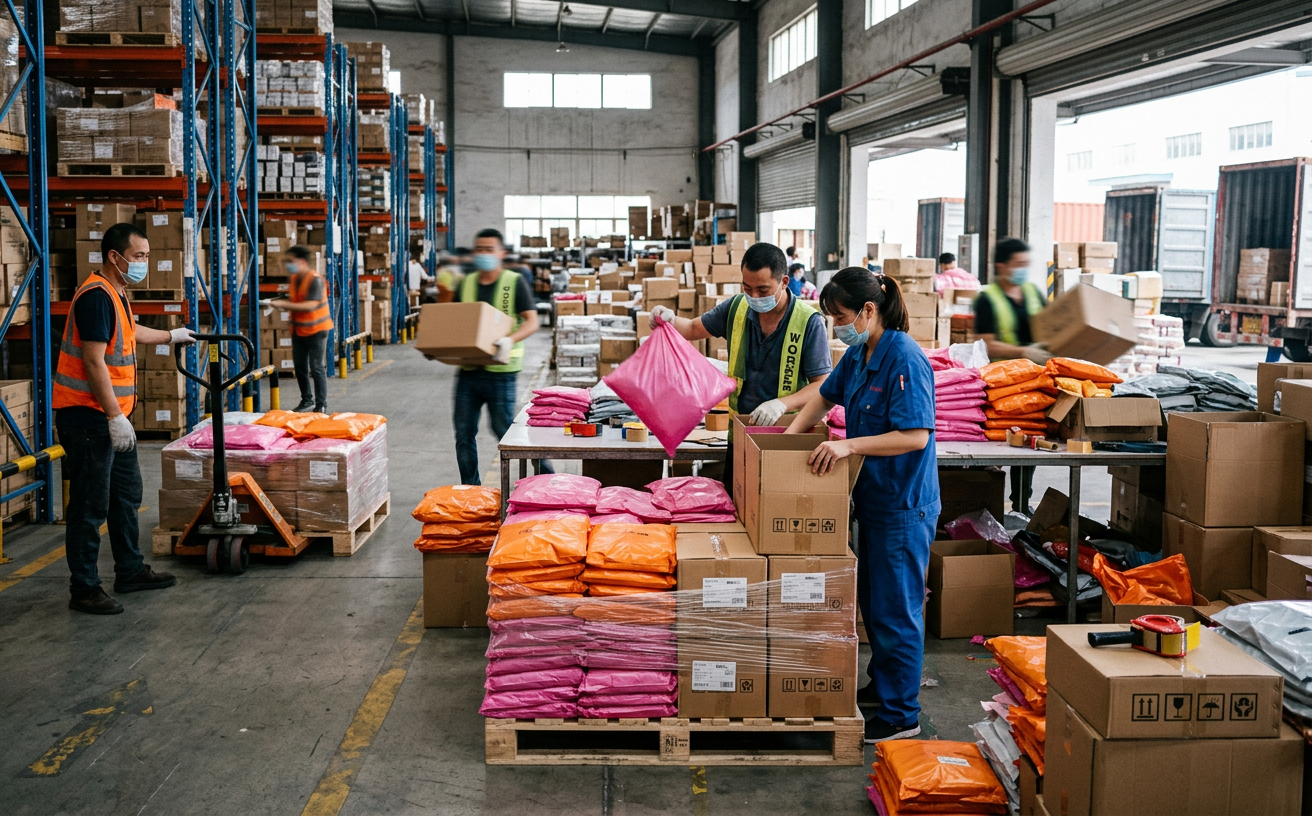
The Quiet Globalisation of Chinese Commerce Operating Models
From Shein to TikTok Shop, the operating playbooks pioneered in China are now actively reshaping how Western consumers shop.
One short email. Stories you can use.
A free, occasional email from our editorial team with our latest features, explainers and reads. Unsubscribe any time — your email stays with us.