The Quiet Revolution in Ecommerce Packaging
Amazon, ASOS and a long tail of consumer brands are restructuring around lighter, smaller, more recyclable packaging — and the cost savings are meaningful.

Open an Amazon delivery in 2026 and the packaging looks nothing like it did three years ago. Lighter, smaller, frequently paper-based and almost always recyclable, the new generation of ecommerce packaging is reshaping the cost structure and environmental footprint of online delivery in ways that are starting to get serious attention. The story matters because packaging redesign has become one of the highest-roi sustainability investments in ecommerce.
Where the savings come from Smaller packages mean more parcels per truck, lower carrier costs and reduced damage rates. Lighter packaging means lower shipping fees in zone-based pricing models. Eliminating plastic in many categories has also reduced material costs by a meaningful margin.
How brands are responding Major retailers are tightening packaging specifications across their marketplaces, and brands are increasingly being asked to invest in package design as a formal part of their fulfilment strategy. Several DTC brands have made packaging redesign one of the most quoted sustainability case studies in their categories.
Packaging is quietly the most underrated lever in ecommerce — for both cost and sustainability. Most brands have only begun to pull it.
What to watch next Expect more retailer-driven packaging specifications, more sophisticated sustainable-packaging supply chains and continued consumer pressure on visible plastic use. For operators and investors, the read-through is clear: any brand still treating packaging as a marketing surface rather than an operational lever is missing meaningful margin.
News Legacy maintains editorial independence. Some recommendations may contain affiliate links. We earn from qualifying purchases at no additional cost to you. Read our policy.
Read Next

FedEx, UPS and Amazon Logistics Are No Longer Competing — They Are Restructuring American Last-Mile Together
The U.S. parcel landscape is undergoing its most significant restructuring in a generation, and the implications run far beyond shipping.
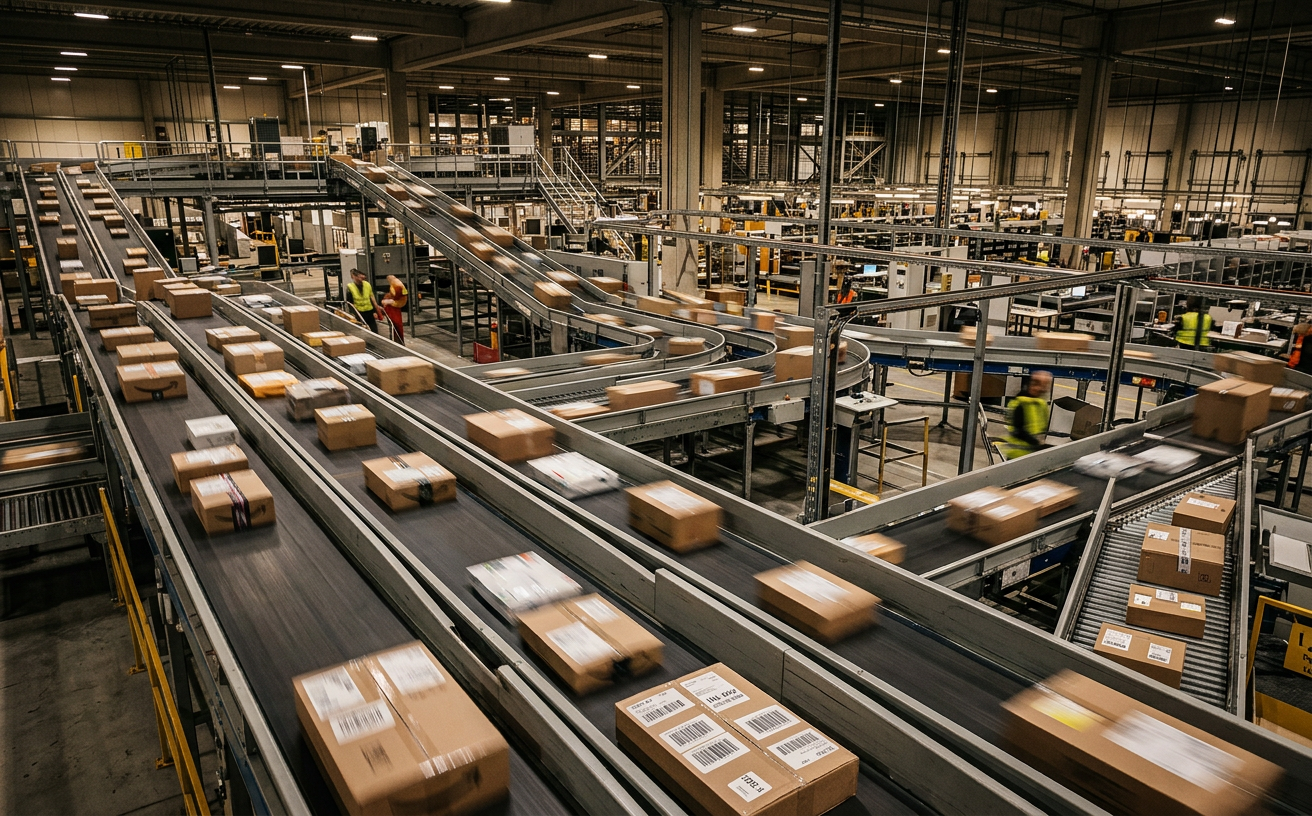
Europe's Cross-Border Logistics Has Quietly Gotten Genuinely Good
DPD, DHL, Evri and a quietly improving generation of European national operators have closed the cross-border gap that frustrated brands for years.
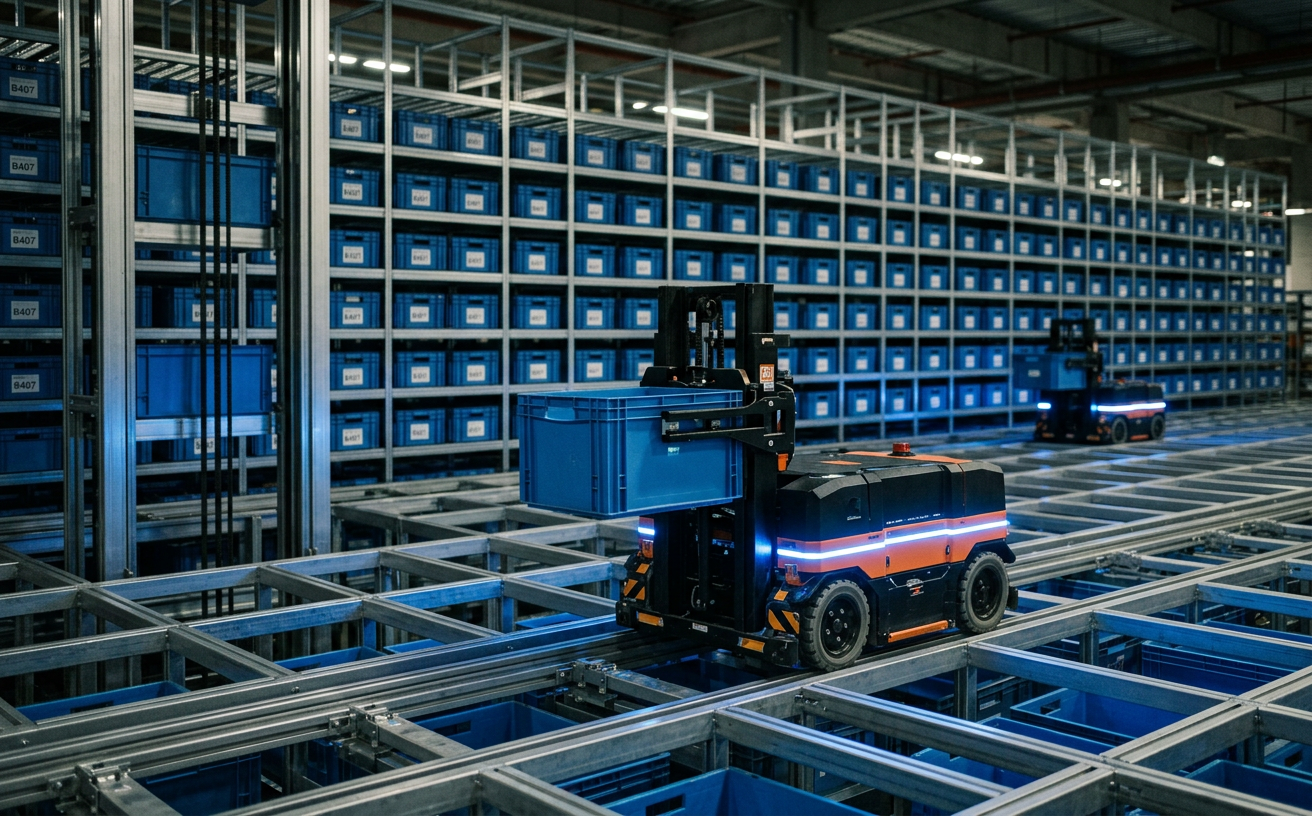
Warehouse Automation Is Crossing From Pilot to Default
Symbotic, AutoStore, Locus and a generation of automation vendors are seeing their systems become the default specification for new warehousing in the U.S. and Europe.
One short email. Stories you can use.
A free, occasional email from our editorial team with our latest features, explainers and reads. Unsubscribe any time — your email stays with us.