Warehouse Automation Is Crossing From Pilot to Default
Symbotic, AutoStore, Locus and a generation of automation vendors are seeing their systems become the default specification for new warehousing in the U.S. and Europe.
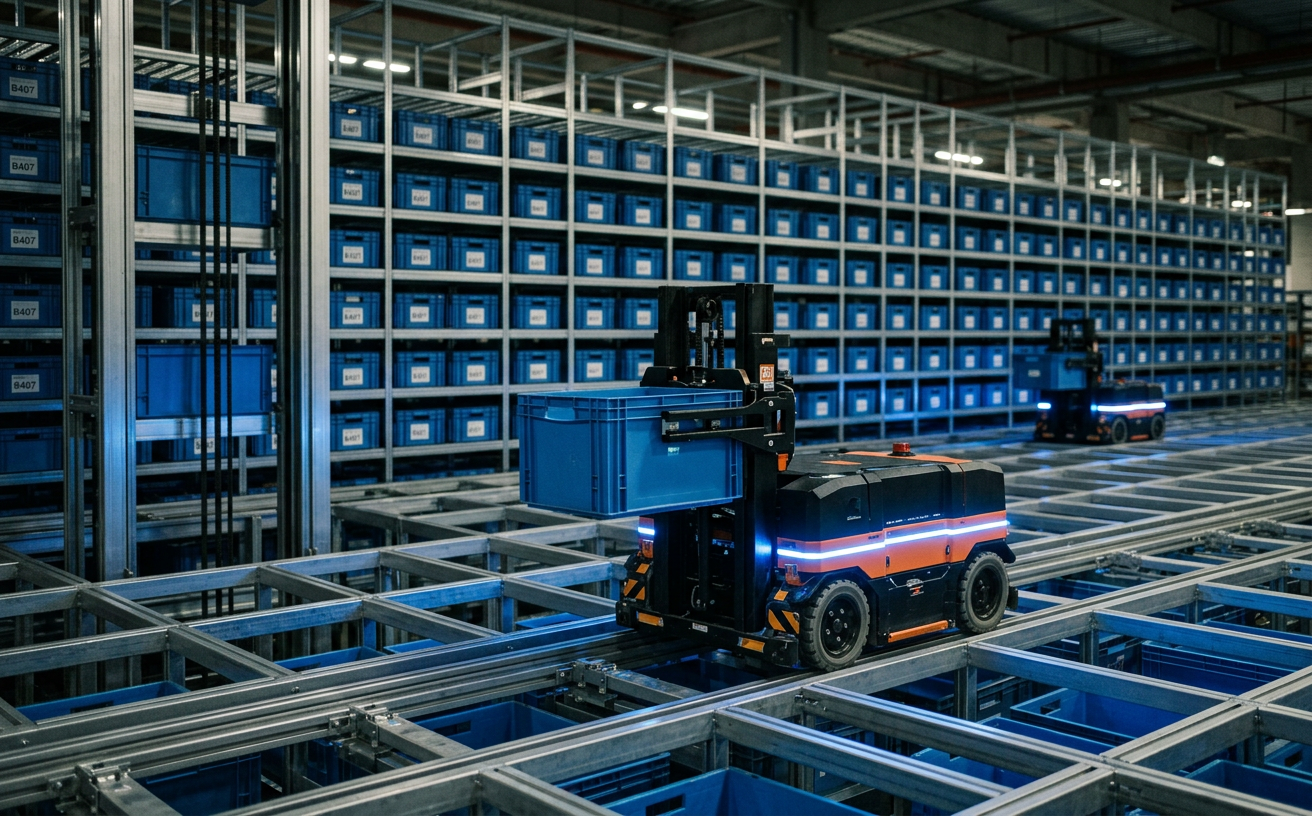
For most of the past decade, the question for ecommerce operators planning new warehouse capacity was whether to automate. That question is largely settled. Symbotic, AutoStore, Locus Robotics and a maturing generation of warehouse-automation vendors are now the default specification for almost any new ecommerce or retail fulfilment build above a certain scale on either side of the Atlantic. The story matters because the unit economics of warehousing have shifted permanently in favour of automated facilities.
Where the technology is winning High-throughput grocery and ecommerce facilities lead the list, with payback periods that have compressed materially in the past three years. Apparel and small-parts fulfilment have become more automation-friendly as vendor systems have matured.
What's still hard Long-tail SKU management, complex pick patterns and high mix-low volume operations remain significantly harder to automate cleanly than vendors typically advertise. Labour relationships also remain a meaningful operational and reputational variable, particularly in major U.S. and European markets.
Warehouse automation is no longer a futuristic capex bet. It is the default operating posture for any meaningful new ecommerce or grocery fulfilment build.
What to watch next Expect continued automation-vendor consolidation, more retailer in-house automation development, and increasing focus on integrating automated facilities with broader supply-chain technology. For operators and investors, the read-through is clear: the best ecommerce operators of the next decade will own deeper automation expertise than ever.
News Legacy maintains editorial independence. Some recommendations may contain affiliate links. We earn from qualifying purchases at no additional cost to you. Read our policy.
Read Next

FedEx, UPS and Amazon Logistics Are No Longer Competing — They Are Restructuring American Last-Mile Together
The U.S. parcel landscape is undergoing its most significant restructuring in a generation, and the implications run far beyond shipping.
Europe's Cross-Border Logistics Has Quietly Gotten Genuinely Good
DPD, DHL, Evri and a quietly improving generation of European national operators have closed the cross-border gap that frustrated brands for years.

The Quiet Revolution in Ecommerce Packaging
Amazon, ASOS and a long tail of consumer brands are restructuring around lighter, smaller, more recyclable packaging — and the cost savings are meaningful.
One short email. Stories you can use.
A free, occasional email from our editorial team with our latest features, explainers and reads. Unsubscribe any time — your email stays with us.