Why TikTok Shop Is Exploding in the United States — and What Could Slow It Down
In under three years, TikTok Shop has gone from experiment to one of the fastest-growing commerce surfaces in U.S. history. The growth is real — and so are the risks.
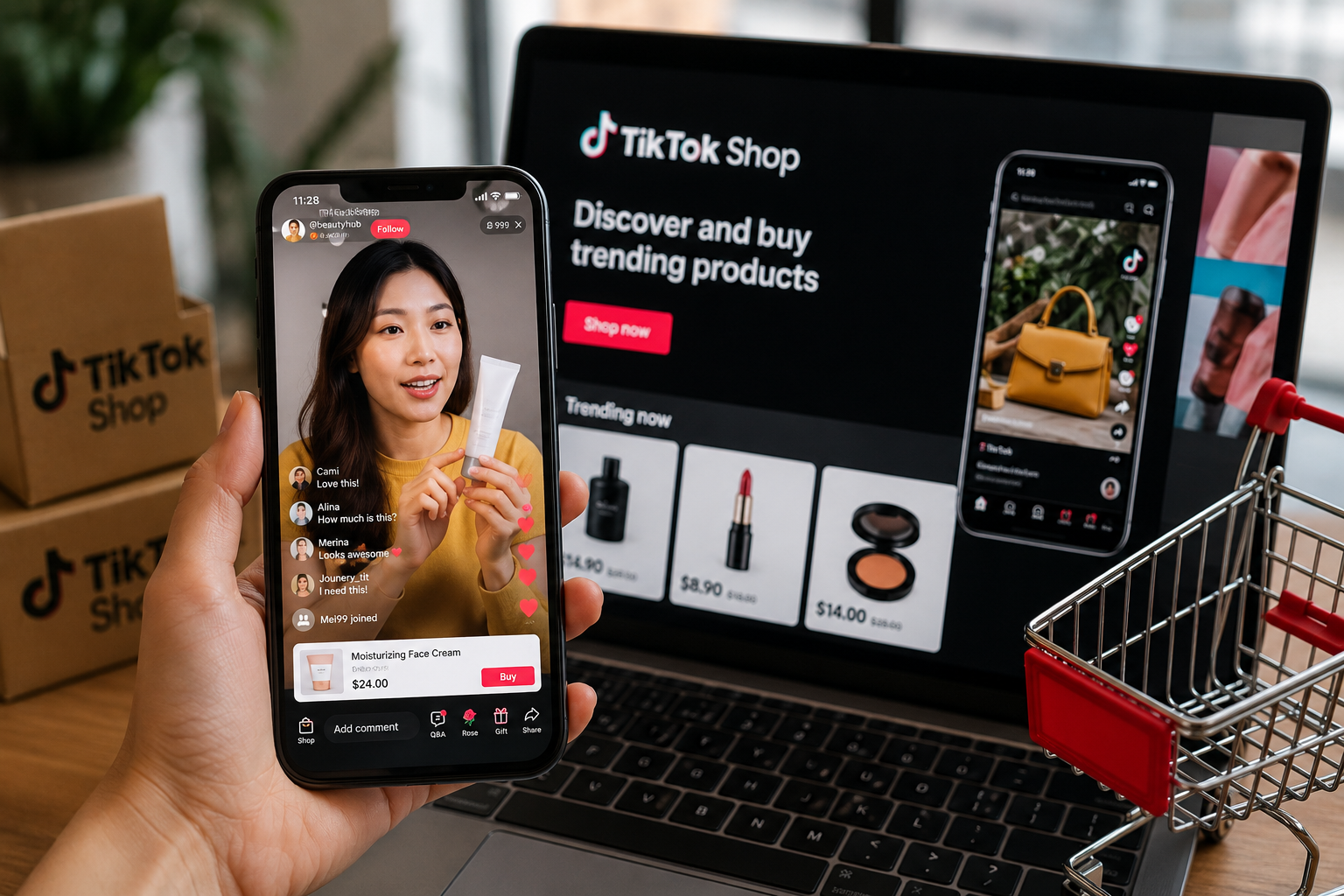
TikTok Shop launched in the United States in late 2023 with a modest catalogue and a handful of skeptical brands. Less than three years later, it has become one of the fastest-growing commerce surfaces in the country, generating tens of billions of dollars in annualised gross merchandise value and reshaping how millions of younger U.S. consumers discover, evaluate and buy products.
Discovery, content and checkout in a single feed TikTok Shop's structural advantage is that the discovery, content and checkout layers sit inside the same app, surfaced by the same recommendation algorithm. A creator can demonstrate a product in a 30-second video, link it inside the same scroll, and a viewer can buy it without leaving the feed. No other major Western commerce platform compresses the funnel that tightly.
A creator economy with real distribution TikTok's creator base is the engine. Affiliate commissions, sample programmes and shoppable LIVE sessions have created a sustained income stream for hundreds of thousands of U.S. creators. Brands no longer have to choose between paid social and influencer marketing — TikTok Shop merges them into a single performance channel with attributable conversion.
The categories driving the growth Beauty and personal care, apparel, home, kitchen and a long tail of impulse-priced goods have been the breakout categories. Average order values are lower than on Amazon, but frequency, velocity and creator-led repeat are higher. A growing cohort of U.S.-based brands — both digital natives and legacy CPG — now treats TikTok Shop as a top-three channel rather than an experimental one.
Logistics, returns and the trust layer TikTok has invested heavily in fulfilment partnerships, return policies and seller verification to close the trust gap with Amazon. Shop Tab placement, badged sellers and platform-managed returns have lifted conversion materially. The platform's merchandising team has also become more aggressive about elevating high-quality brands and demoting low-quality drop-shippers, which has improved the overall shopping experience.
What could slow the growth The most obvious risk is regulatory. Ongoing political pressure on ByteDance's U.S. operations could force divestiture, restrict data flows or otherwise disrupt the platform in ways no commerce strategy can fully insulate against. A second risk is creator fatigue — the same dynamic that hollowed out earlier social-commerce experiments could erode TikTok Shop's affiliate engine if commissions compress or rules tighten. A third is competitive response from Meta, YouTube and Amazon, all of which have visibly accelerated their own creator and live-shopping investments.
TikTok Shop is the first credible answer to the question Western commerce has been asking for a decade: what does live, social, creator-led commerce actually look like at scale?
What to watch next Expect TikTok to keep expanding category coverage, push deeper into mid-market and enterprise brand partnerships, and continue investing in fulfilment infrastructure. Expect Meta, YouTube and Amazon to imitate the most successful mechanics. And expect the regulatory backdrop to remain the single largest variable in any forecast. For brands, the read-through is unchanged: TikTok Shop is no longer optional — it is a channel that needs an operating model of its own.
News Legacy maintains editorial independence. Some recommendations may contain affiliate links. We earn from qualifying purchases at no additional cost to you. Read our policy.
Read Next

TikTok Shop, Temu and Shein Have Permanently Changed What an American Marketplace Looks Like
The fastest-growing marketplaces in the United States are barely two years old — and they are quietly forcing Amazon, Walmart and the broader retail ecosystem to respond.

Europe's Marketplaces Are Quietly the Most Interesting Operators in Global Retail
Zalando, Allegro, Bol and a cohort of national champions are running disciplined, profitable marketplaces in markets that Amazon has spent a decade trying to dominate.
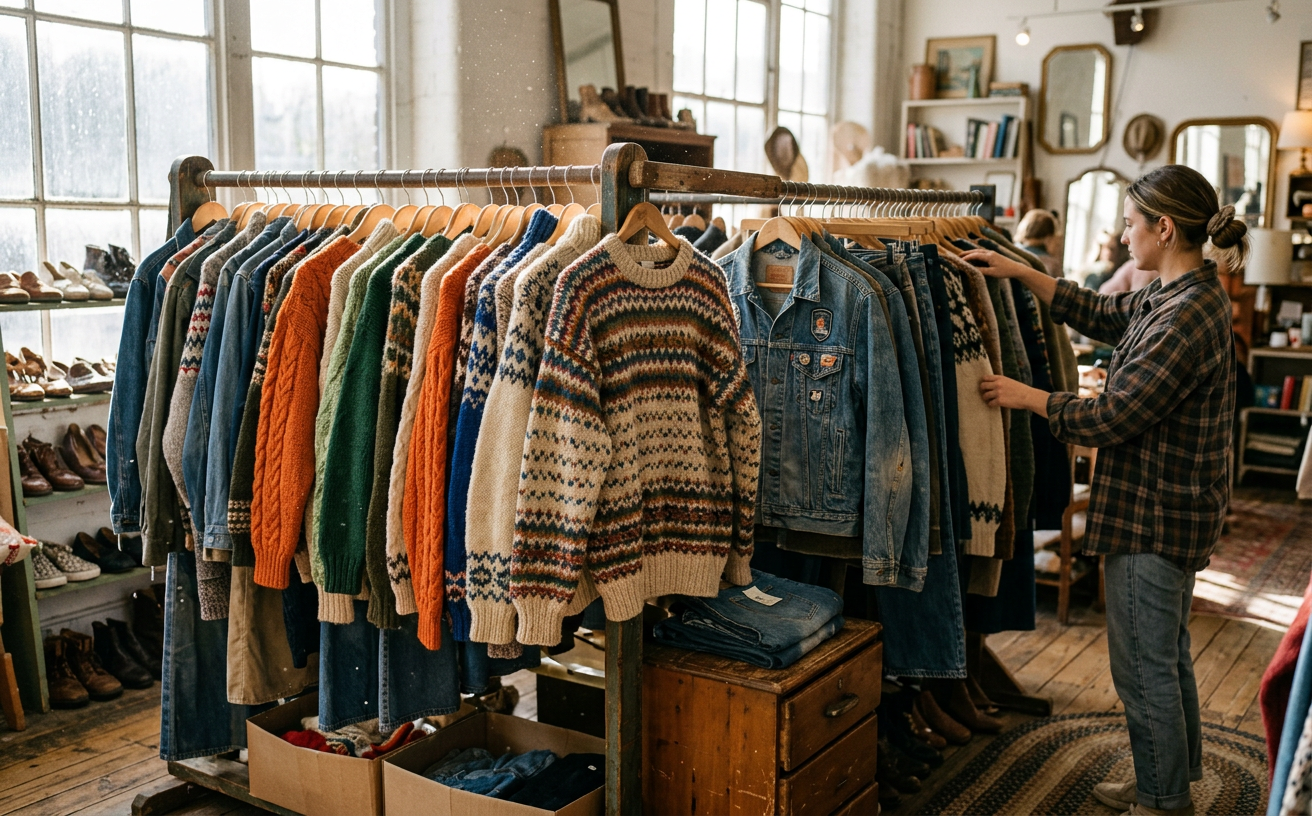
The Quiet Resurgence of Second-Hand and Specialty Marketplaces
Vinted, Depop, eBay and a generation of focused marketplaces are growing faster than anyone expected — and reshaping how younger consumers shop.
One short email. Stories you can use.
A free, occasional email from our editorial team with our latest features, explainers and reads. Unsubscribe any time — your email stays with us.