The American Mall Has Quietly Come Back — But Not in the Way Anyone Predicted
Simon Property Group, Westfield and the major U.S. mall operators are reporting their best results in a decade. The reasons have very little to do with traditional retail.
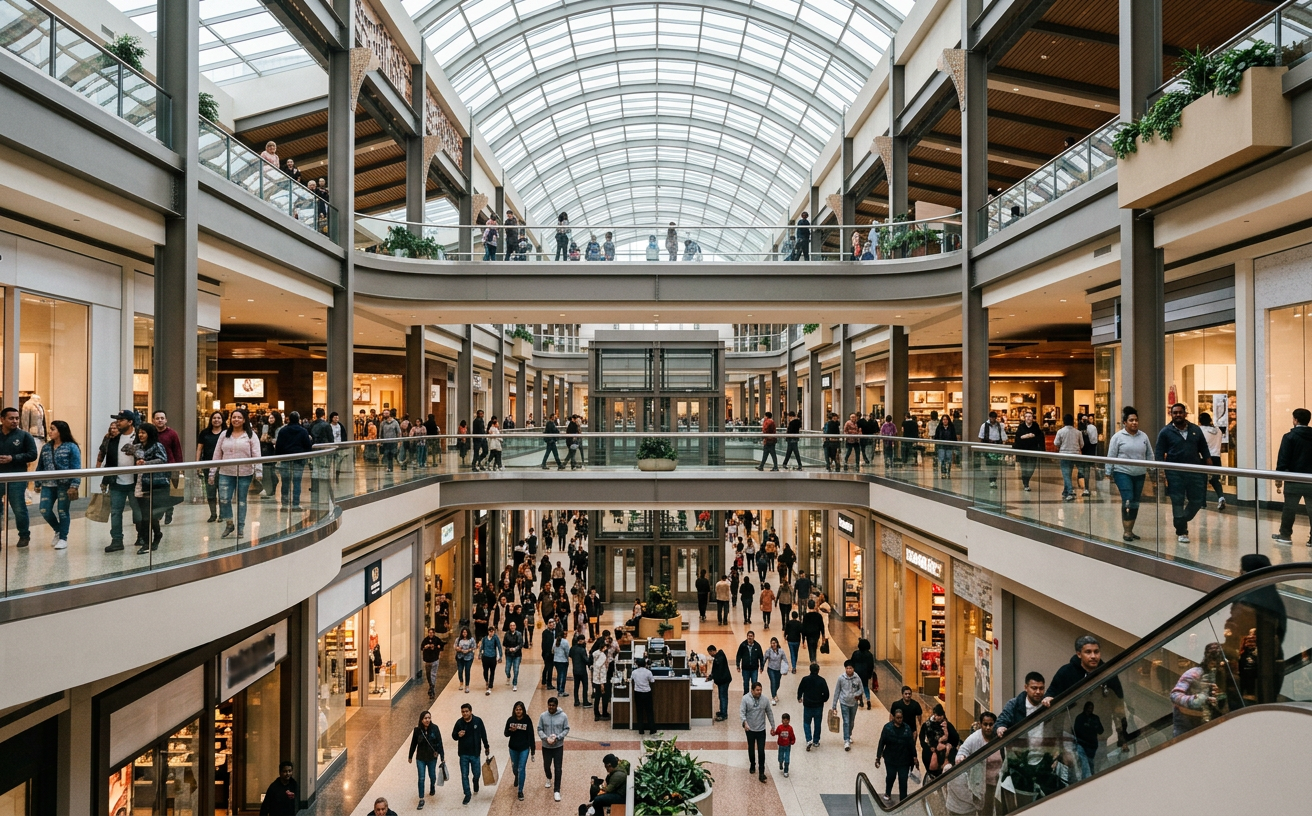
The American mall obituary was written too early. Simon Property Group, Westfield and the major U.S. mall operators are now reporting some of their strongest occupancy and footfall numbers in a decade — but the format that drove the recovery looks dramatically different from the malls that dominated the 1990s. The story matters because physical retail real estate is undergoing one of the most significant repositioning cycles in its history.
What's actually driving the return Experience-led tenants — fitness, dining, entertainment and services — now occupy a meaningfully larger share of mall floor space than apparel did at its peak. DTC brands opening their first physical stores have become an unexpectedly important new tenant category, accounting for a growing share of new lettings in the strongest A-class properties.
What's getting left behind B-class and C-class malls in less affluent geographies continue to struggle, with vacancy rates that remain structurally high. The recovery is not uniform — it is heavily concentrated in a smaller number of premium destinations.
American malls didn't die. They consolidated and reinvented. The survivors are running better than they have in twenty years.
What to watch next Expect continued conversion of underperforming retail real estate, more experience-led tenants in premium properties and a continued widening of the gap between A-class and lower-tier malls. For operators and investors, the read-through is clear: physical retail is back as a strategic format — but only at the high end.
News Legacy maintains editorial independence. Some recommendations may contain affiliate links. We earn from qualifying purchases at no additional cost to you. Read our policy.
Read Next
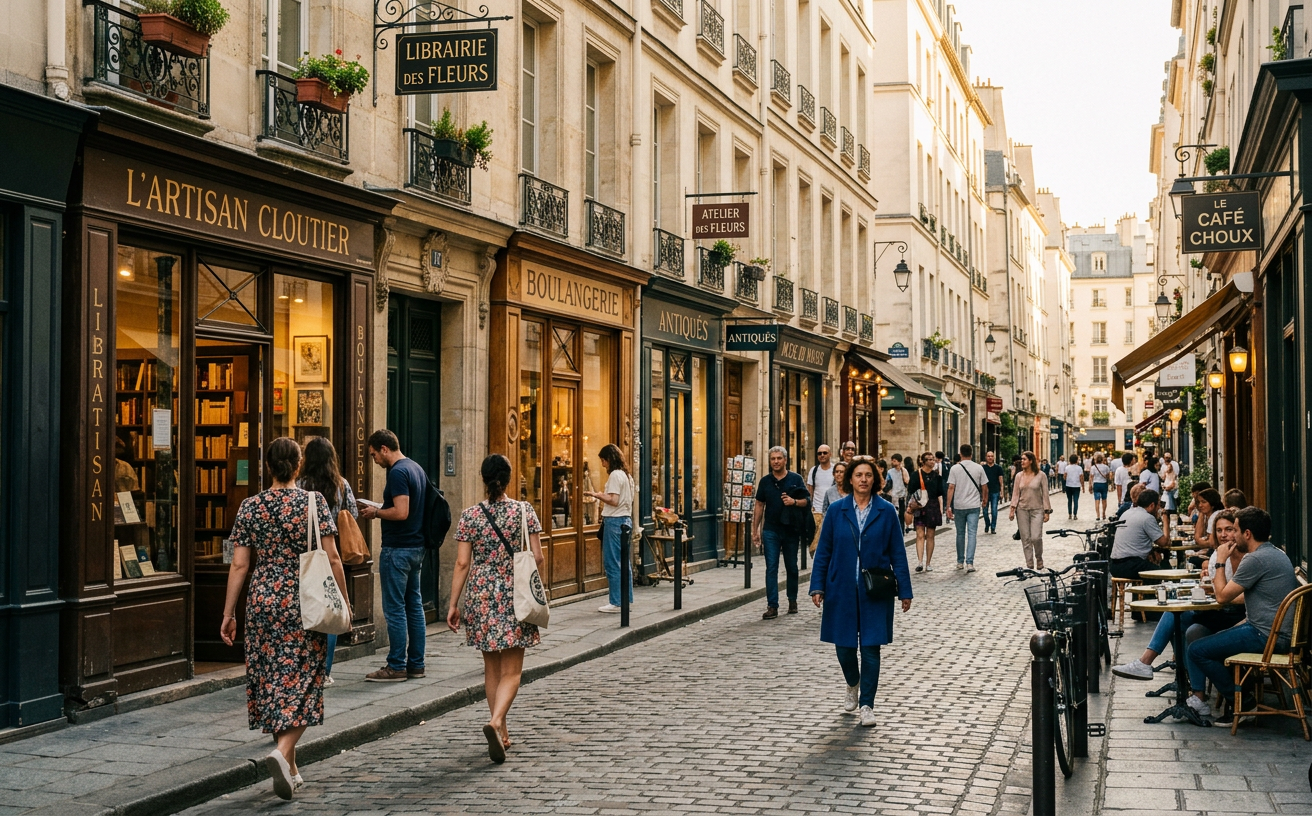
Europe's High Streets Are Reinventing Themselves Faster Than the Headlines Suggest
London, Paris, Berlin and a long list of European cities are quietly running some of the most successful retail rebounds in the world.

How TikTok and Instagram Have Permanently Changed What Shopping Looks Like
From product photography to store design to brand identity, the visual language of modern commerce has been almost entirely rewritten by social-platform aesthetics.
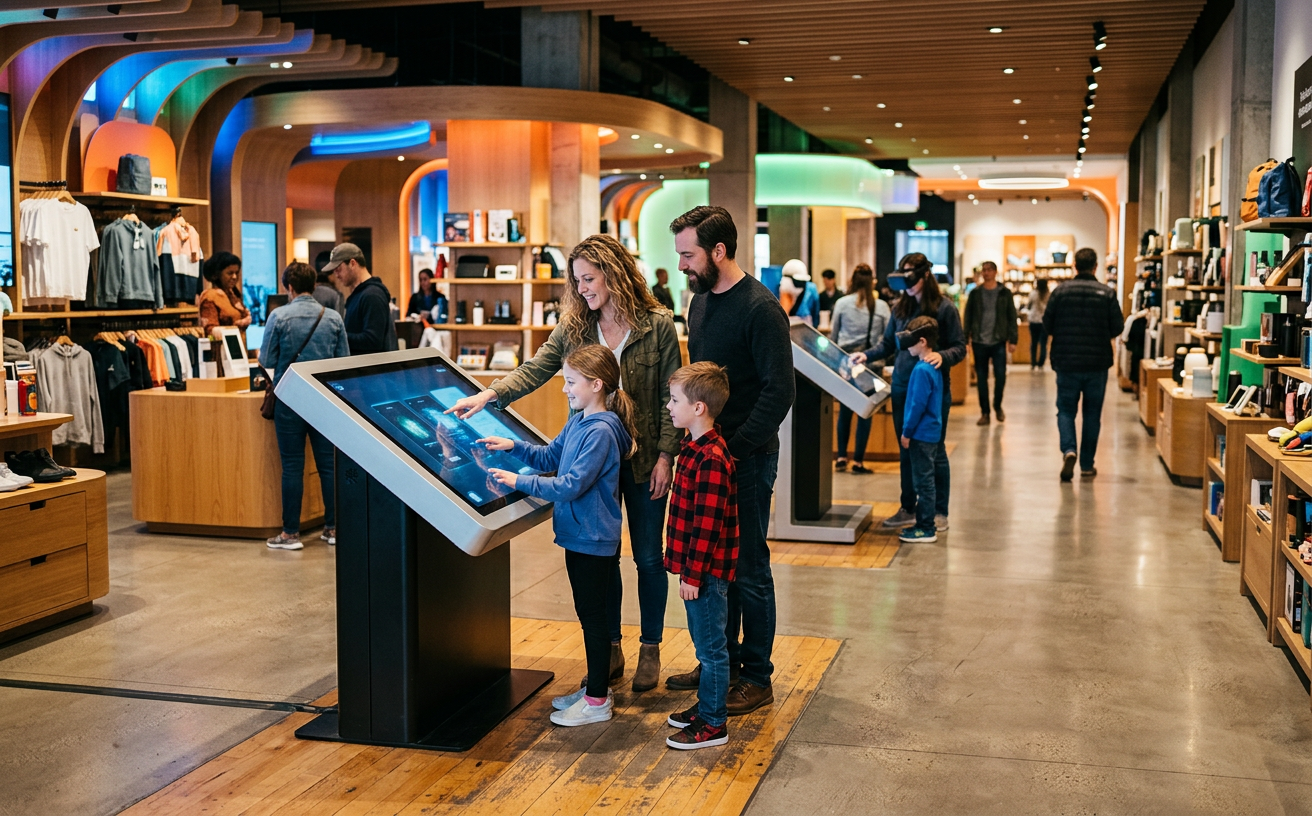
Experiential Retail Is Quietly Becoming the Most Profitable Floor Space in Modern Stores
Lego's flagship stores, the American Dream complex and a generation of experience-led retail formats are demonstrating that consumers will pay for time as well as goods.
One short email. Stories you can use.
A free, occasional email from our editorial team with our latest features, explainers and reads. Unsubscribe any time — your email stays with us.