Europe's High Streets Are Reinventing Themselves Faster Than the Headlines Suggest
London, Paris, Berlin and a long list of European cities are quietly running some of the most successful retail rebounds in the world.
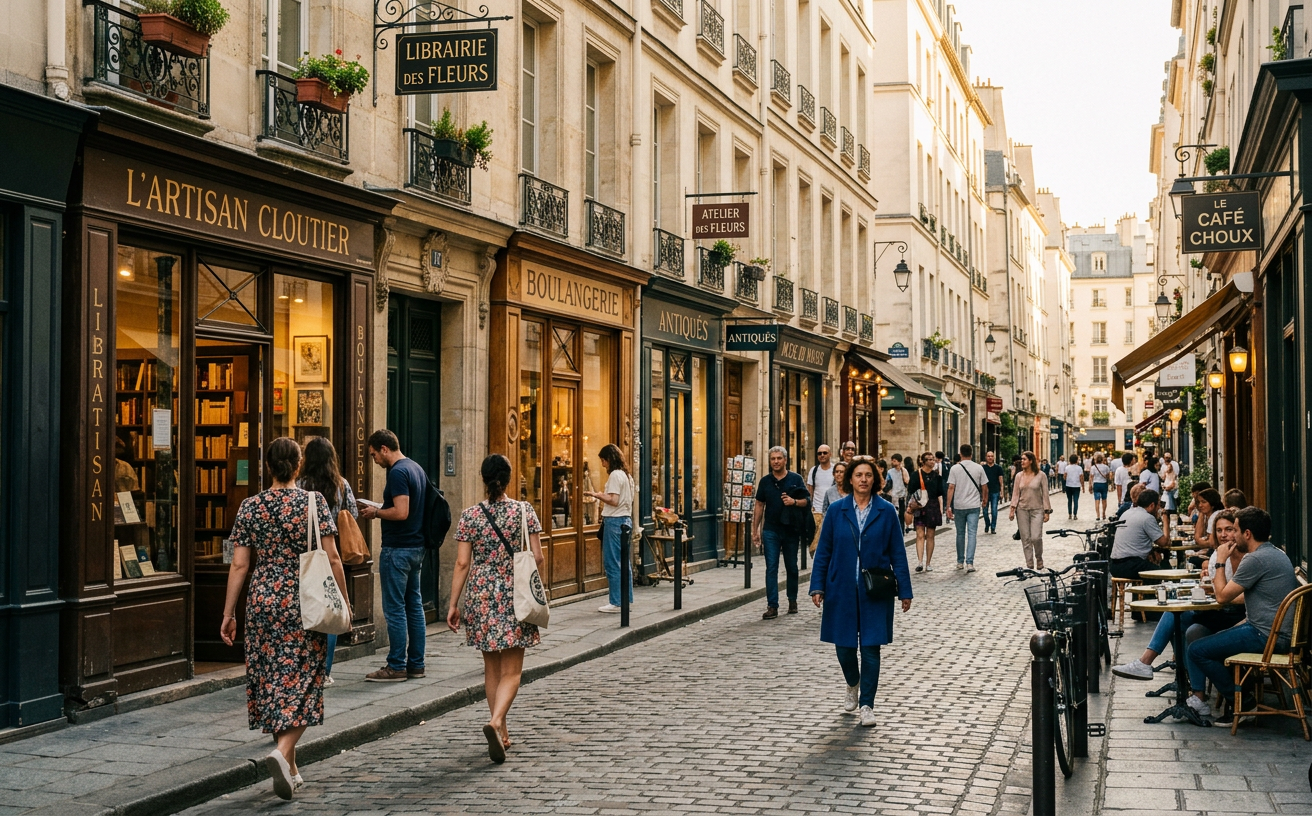
For most of the past five years, the European high street has been written about as if it were terminally declining. On the ground, London, Paris, Berlin and a long list of European cities are quietly running some of the most successful high-street rebounds anywhere in global retail — driven by a combination of new tenant categories, smarter landlord strategies and significant urban-policy support. The story matters because the european high street has demonstrated more resilience and reinvention than the dominant narrative suggests.
What's working Mixed-use repositioning that integrates dining, services, residential and retail into shared streetscapes has dramatically outperformed pure-retail formats. DTC brand flagships, secondhand and resale formats, and experiential retail concepts are taking meaningful share of new high-street lettings across major European cities.
Where the pressure remains Mid-sized cities and second-tier high streets continue to face genuine structural pressure, with vacancy rates that have not recovered since the pandemic. The European high-street recovery, like the U.S. mall recovery, is uneven.
The European high street is not dying — it is being rebuilt around different tenants and a different consumer expectation.
What to watch next Expect more mixed-use repositioning, more flagship DTC openings in premium European retail destinations and continued urban-policy support for high-street regeneration. For operators and investors, the read-through is clear: the european high street is one of the most underestimated retail formats in the world right now.
News Legacy maintains editorial independence. Some recommendations may contain affiliate links. We earn from qualifying purchases at no additional cost to you. Read our policy.
Read Next
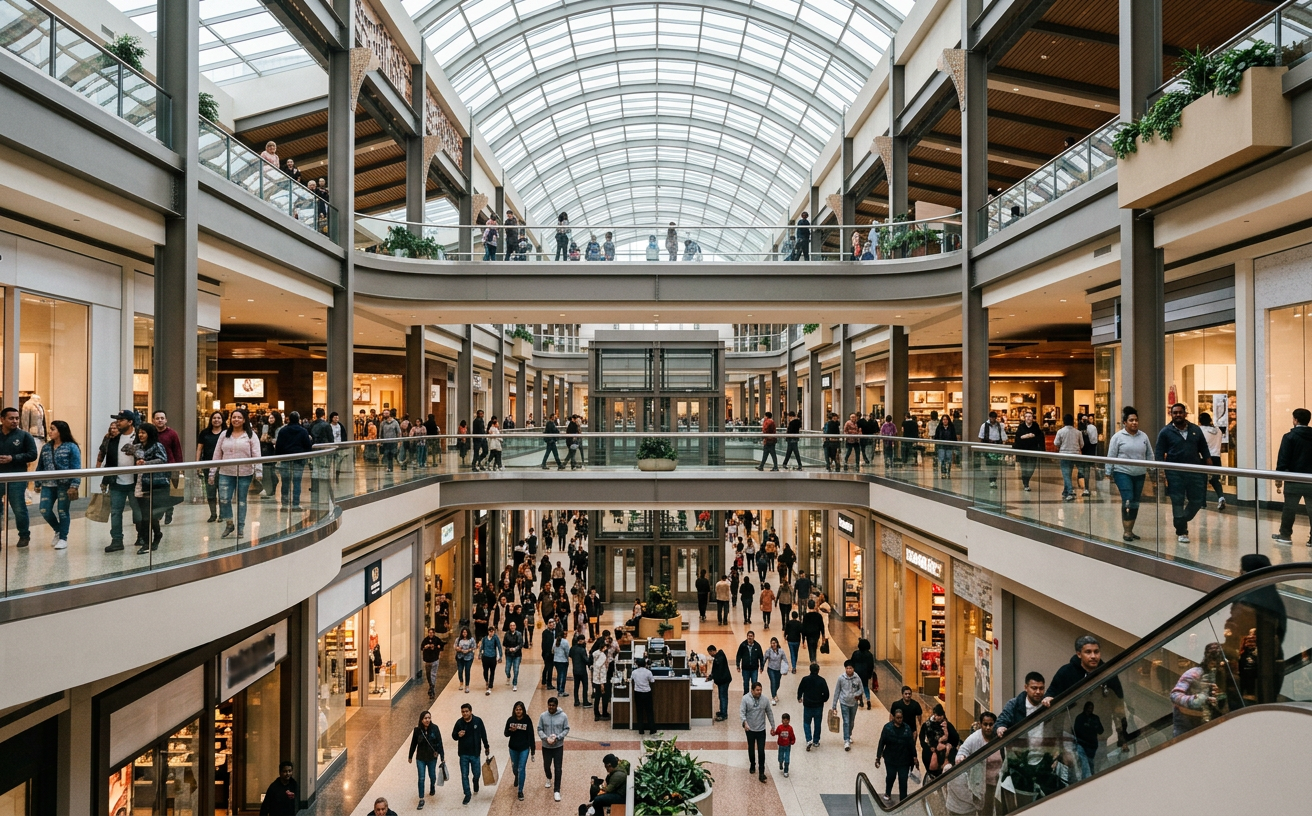
The American Mall Has Quietly Come Back — But Not in the Way Anyone Predicted
Simon Property Group, Westfield and the major U.S. mall operators are reporting their best results in a decade. The reasons have very little to do with traditional retail.

How TikTok and Instagram Have Permanently Changed What Shopping Looks Like
From product photography to store design to brand identity, the visual language of modern commerce has been almost entirely rewritten by social-platform aesthetics.
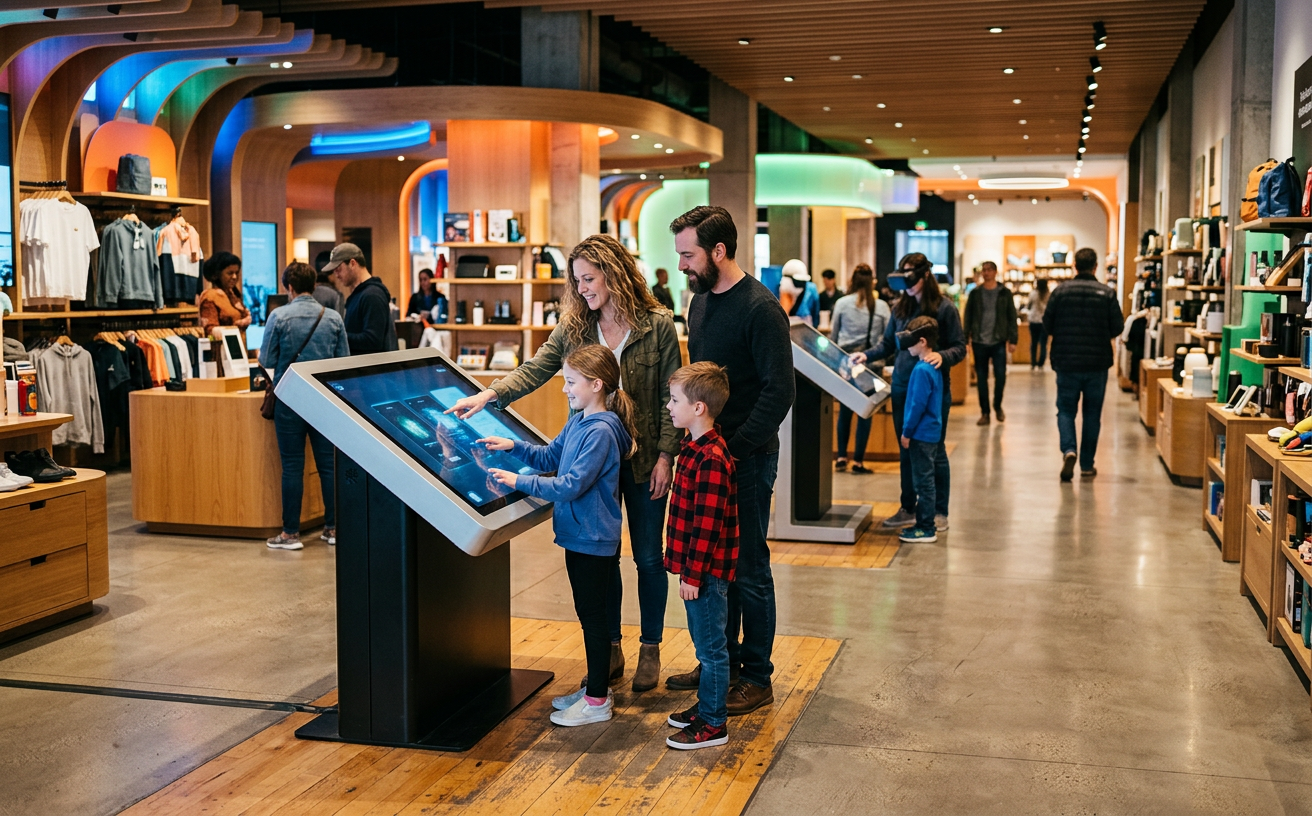
Experiential Retail Is Quietly Becoming the Most Profitable Floor Space in Modern Stores
Lego's flagship stores, the American Dream complex and a generation of experience-led retail formats are demonstrating that consumers will pay for time as well as goods.
One short email. Stories you can use.
A free, occasional email from our editorial team with our latest features, explainers and reads. Unsubscribe any time — your email stays with us.