How TikTok and Instagram Have Permanently Changed What Shopping Looks Like
From product photography to store design to brand identity, the visual language of modern commerce has been almost entirely rewritten by social-platform aesthetics.
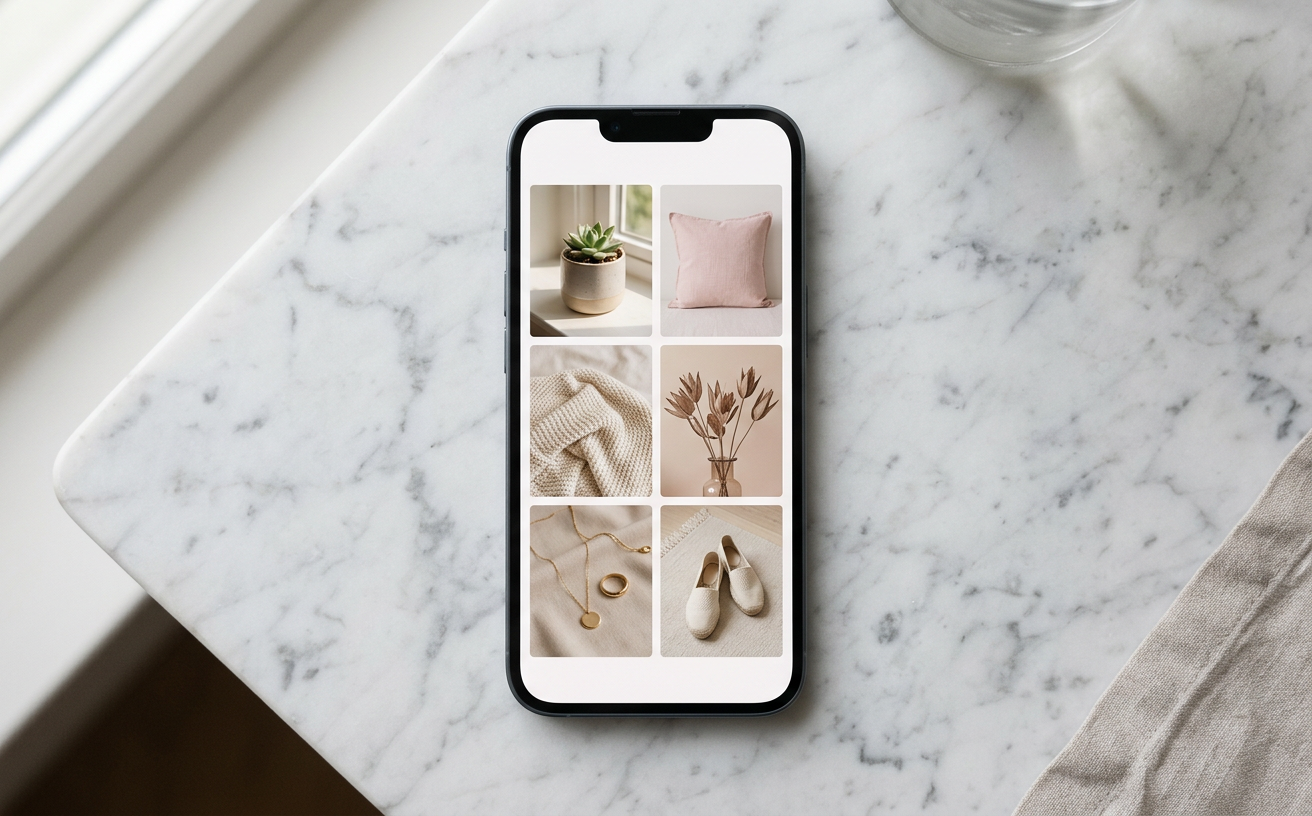
Walk into a contemporary DTC flagship and the design language is instantly recognisable. Soft pastel palettes, rounded sans-serif fonts, deliberately imperfect product photography, in-store moments designed for short-form video — almost every element of modern retail visual language has been shaped by TikTok and Instagram, and almost none of it existed in this form a decade ago. The story matters because the visual identity of contemporary commerce is defined by social-platform aesthetics in a way no previous generation of retail has been.
What's actually different Brand identity is now designed primarily for short-form video and image-first social platforms, with traditional print and out-of-home considerations playing a much smaller role. Store design treats the physical space as a content set as much as a sales environment, with explicit consideration for how the space will be photographed and shared.
Where the convergence is most visible Beauty, hospitality, fitness and lifestyle categories show the most uniform aesthetic convergence, often to the point that brands are visually difficult to distinguish. The most distinctive contemporary brands are increasingly the ones consciously rejecting the dominant social-aesthetic codes.
The visual language of modern commerce was written on TikTok and Instagram. The brands that win the next decade will be the ones that decide whether to follow it or break it.
What to watch next Expect a slow backlash against aesthetic homogeneity, more deliberately distinctive brand-identity work and continued aesthetic feedback loops between platforms and physical retail. For operators and investors, the read-through is clear: brand-identity teams need to consciously decide how much of the dominant social aesthetic they want to inherit.
News Legacy maintains editorial independence. Some recommendations may contain affiliate links. We earn from qualifying purchases at no additional cost to you. Read our policy.
Read Next
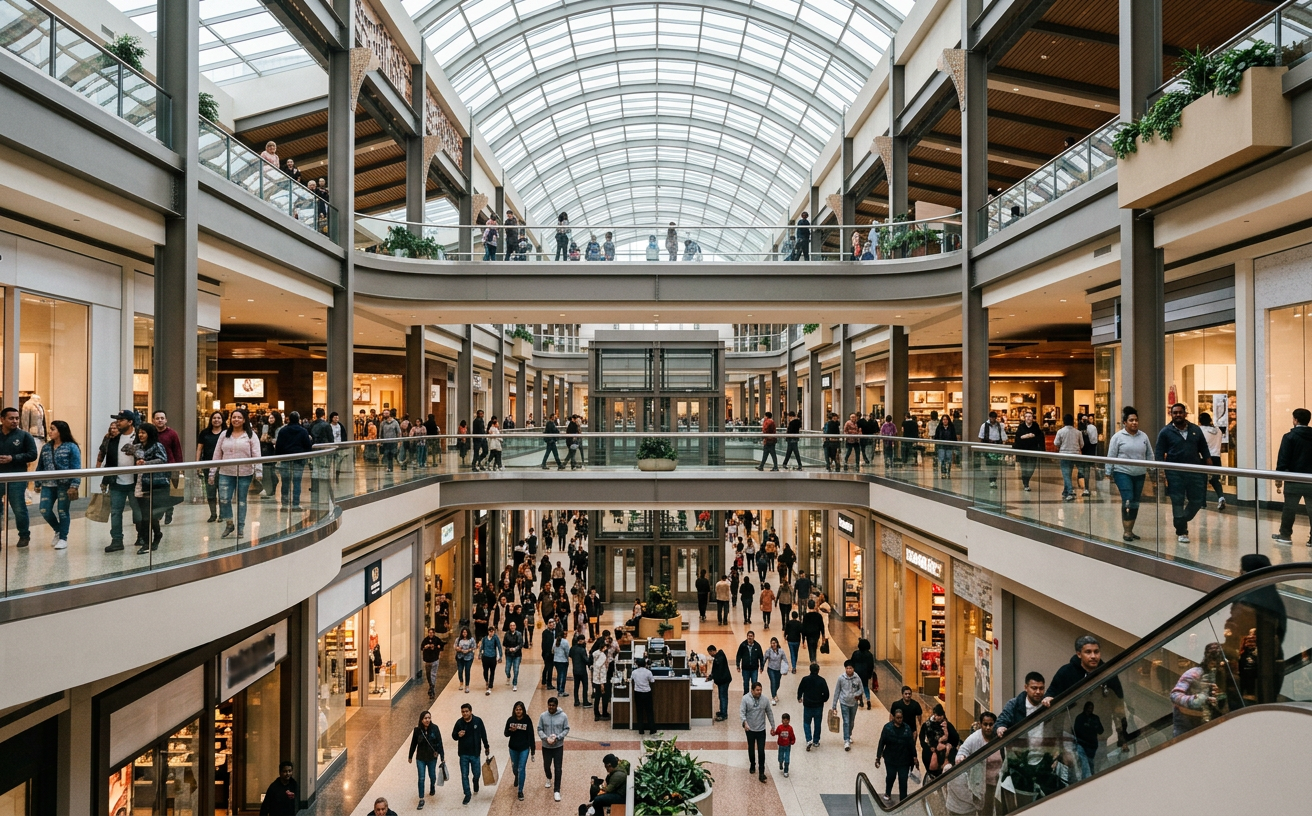
The American Mall Has Quietly Come Back — But Not in the Way Anyone Predicted
Simon Property Group, Westfield and the major U.S. mall operators are reporting their best results in a decade. The reasons have very little to do with traditional retail.
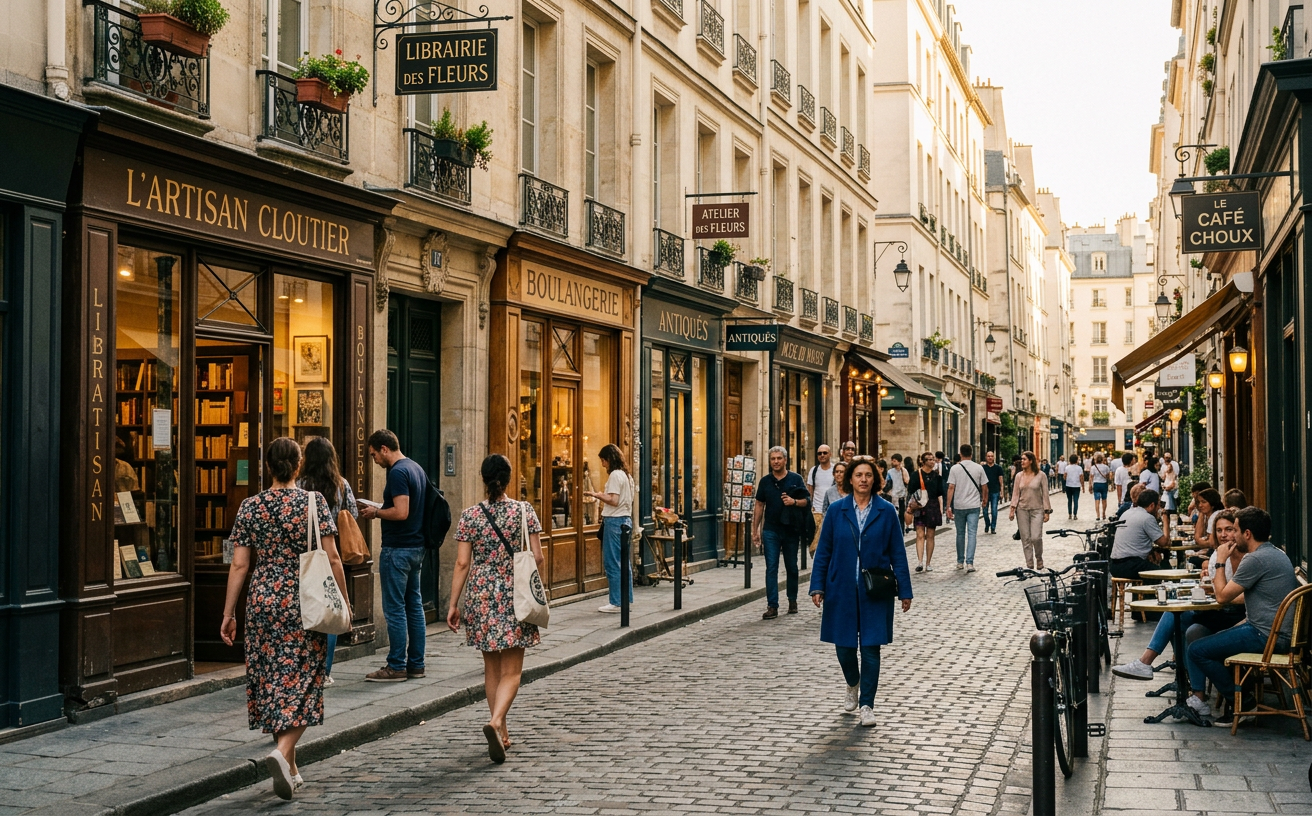
Europe's High Streets Are Reinventing Themselves Faster Than the Headlines Suggest
London, Paris, Berlin and a long list of European cities are quietly running some of the most successful retail rebounds in the world.
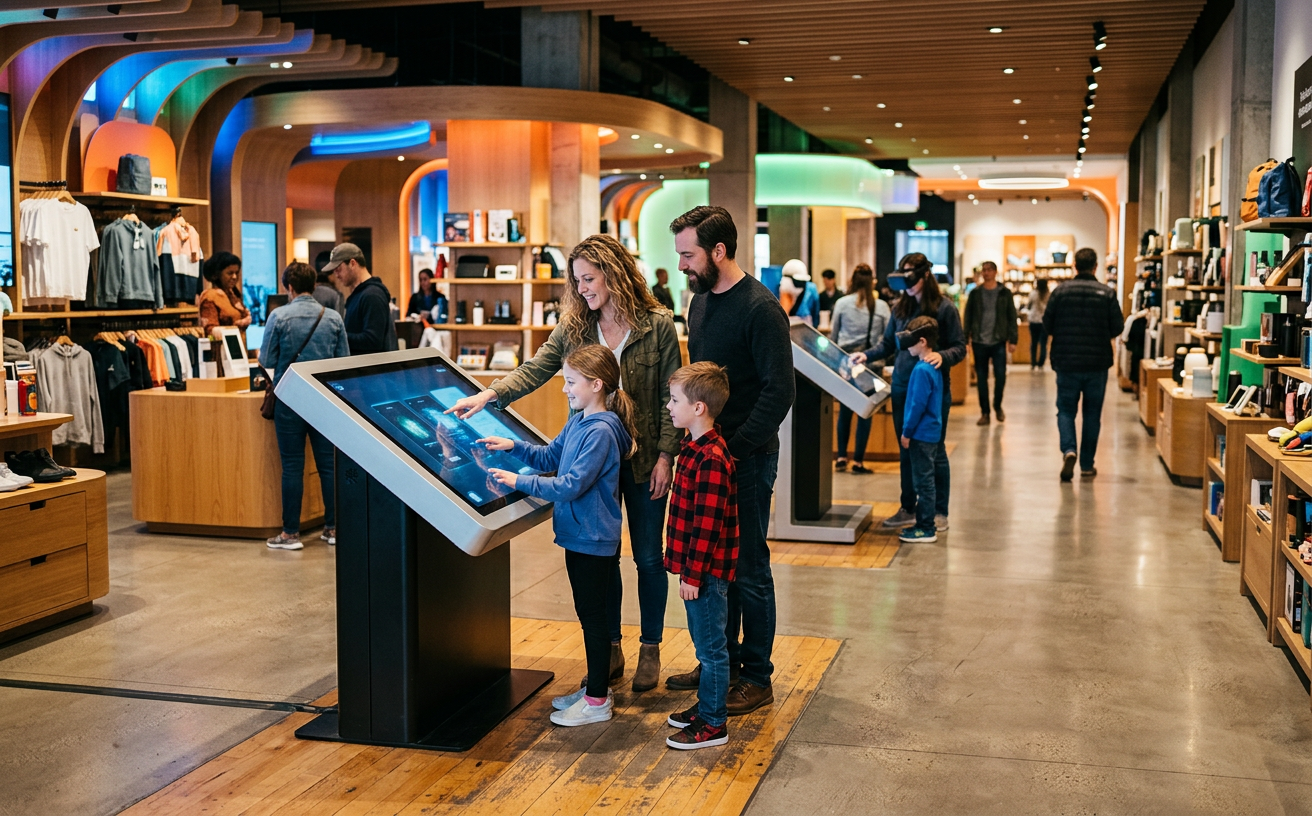
Experiential Retail Is Quietly Becoming the Most Profitable Floor Space in Modern Stores
Lego's flagship stores, the American Dream complex and a generation of experience-led retail formats are demonstrating that consumers will pay for time as well as goods.
One short email. Stories you can use.
A free, occasional email from our editorial team with our latest features, explainers and reads. Unsubscribe any time — your email stays with us.