Automated Aisles and Algorithmic Baskets: Retail AI's Uneven Advance Across UK Supermarkets
While the promise of artificial intelligence in retail conjures images of seamless, hyper-personalised shopping, its implementation across the UK grocery sector remains a patchwork, with significant disparities in adoption and impact among the major players.

At a Tesco Extra in Watford, a subtle shift is underway. Beneath the familiar clatter of trolleys and the cheerful beeps of self-checkouts, a layer of algorithmic intelligence is optimising everything from stock replenishment to shelf placement. This behind-the-scenes evolution, largely invisible to the average shopper, represents the vanguard of AI's quiet revolution in British retail. Yet, the pace and scale of this transformation vary considerably, painting a picture of both promise and palpable challenges across the UK's high street and online titans.
The initial impetus for AI adoption in retail was often rooted in efficiency gains: reducing waste, optimising supply chains, and streamlining logistics. Companies like Ocado, since its inception, have built their entire operational model on sophisticated automation and data analysis, achieving unparalleled picking accuracy and delivery efficiency. This deep integration of AI into core functions has allowed it to scale its technological offerings globally, albeit with a UK-centric operational base.
The Legacy Burden and the Digital Divide
For established brick-and-mortar giants like Sainsbury's and Marks & Spencer, the journey towards AI integration is more complex. Their expansive physical footprints, often comprising hundreds of stores with diverse layouts and legacy IT infrastructure, present considerable hurdles. While investments are certainly being made – Sainsbury's, for instance, has leveraged AI for demand forecasting to minimise food waste and improve fresh produce availability – these initiatives often operate as optimisations within existing frameworks rather than fundamental rearchitectures.
The contrast with purely online or digitally native retailers is stark. ASOS and Next, though operating in fashion rather than groceries, exemplify how AI can be embedded from the ground up in customer-facing applications. Recommendation engines, personalised marketing campaigns, and even virtual try-on features are standard fare. Their ability to iterate rapidly on digital platforms, unencumbered by physical store limitations, affords them an agility that traditional grocers struggle to replicate.
"The real test for AI in British retail isn't just about technological prowess; it's about seamlessly integrating these tools in a way that truly enhances the consumer experience without alienating a diverse customer base." This sentiment, often voiced by industry analysts, encapsulates the delicate balance retailers must strike.
From Price Optimisation to Consumer Trust
Beyond internal efficiencies, AI is increasingly shaping consumer interactions. Dynamic pricing models, once a niche concept, are becoming more prevalent. Retailers are using AI to analyse competitor pricing, real-time demand, and even local weather patterns to adjust prices, particularly for perishable goods. While this can lead to better value for consumers in certain scenarios, it also raises questions of transparency and fairness, topics of particular scrutiny for the UK consumer base, which is acutely sensitive to cost-of-living pressures.
The delivery sector, spearheaded by companies like Deliveroo and Just Eat, demonstrates AI's direct impact on service delivery. Algorithmic dispatch systems optimise driver routes, predict demand surges, and manage restaurant prep times to minimise waiting periods. This level of logistical sophistication, powered by AI, has redefined consumer expectations for speed and convenience in food delivery, placing pressure on traditional grocery delivery services to keep pace.
Looking forward, the divergence in AI adoption is likely to create further competitive stratification. Those retailers with the capital and strategic foresight to invest in comprehensive AI frameworks – spanning supply chain, customer service, and personalised offerings – will be best positioned to capture market share and navigate the evolving demands of the British consumer. For others, a piecemeal approach risks diminishing returns and a widening gap against more technologically advanced competitors.
News Legacy maintains editorial independence. Some recommendations may contain affiliate links. We earn from qualifying purchases at no additional cost to you. Read our policy.
Read Next

The Top Ecommerce Niches Quietly Winning the U.S., U.K. and European Markets in 2026
Beauty, athleisure, wellness, pet and resale are no longer trends — they are the operating cores of online retail across the West. Here is where the money is actually moving.
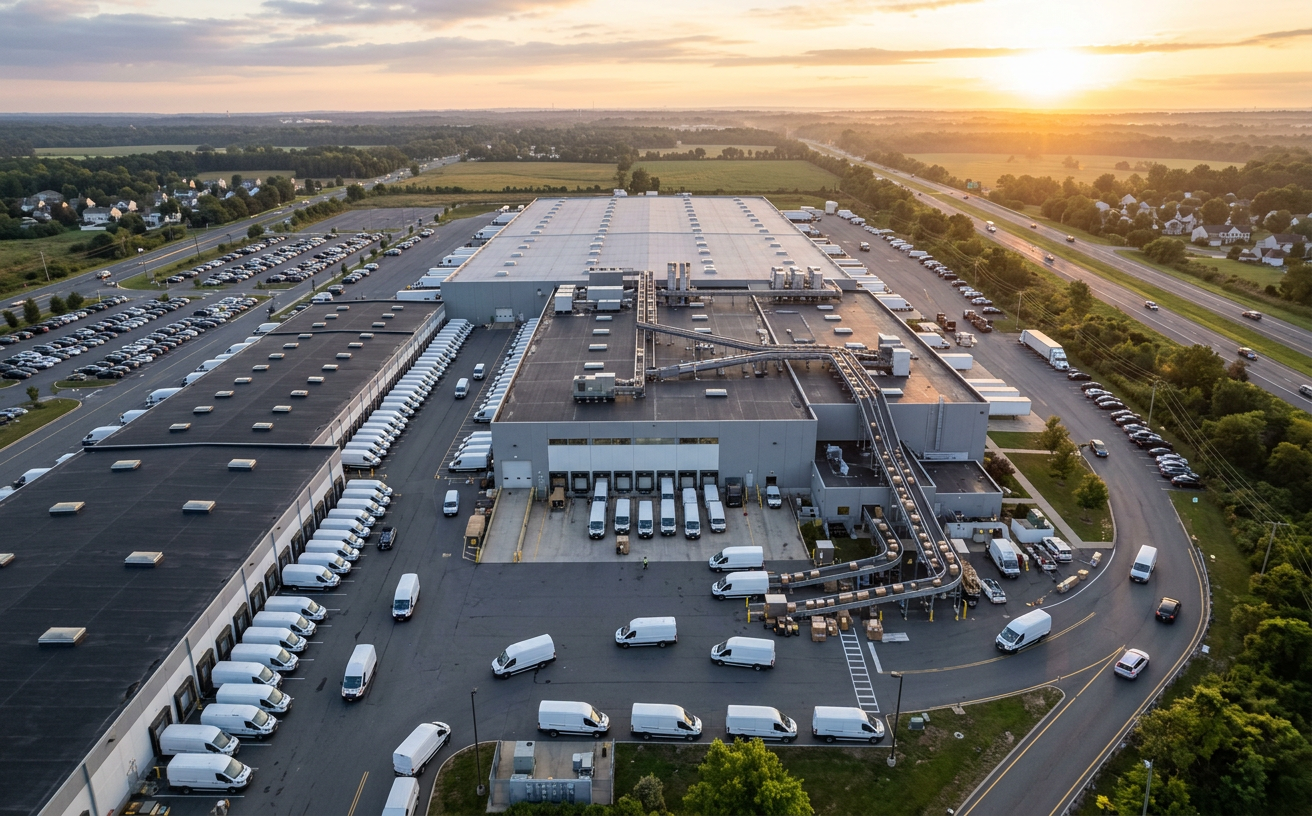
The 2026 Outlook for U.S. Ecommerce: Amazon, Walmart and Shopify Are Quietly Rewriting the Rules
Three operating systems now run American online retail. The next twelve months will decide which of them controls the next decade of the consumer wallet.
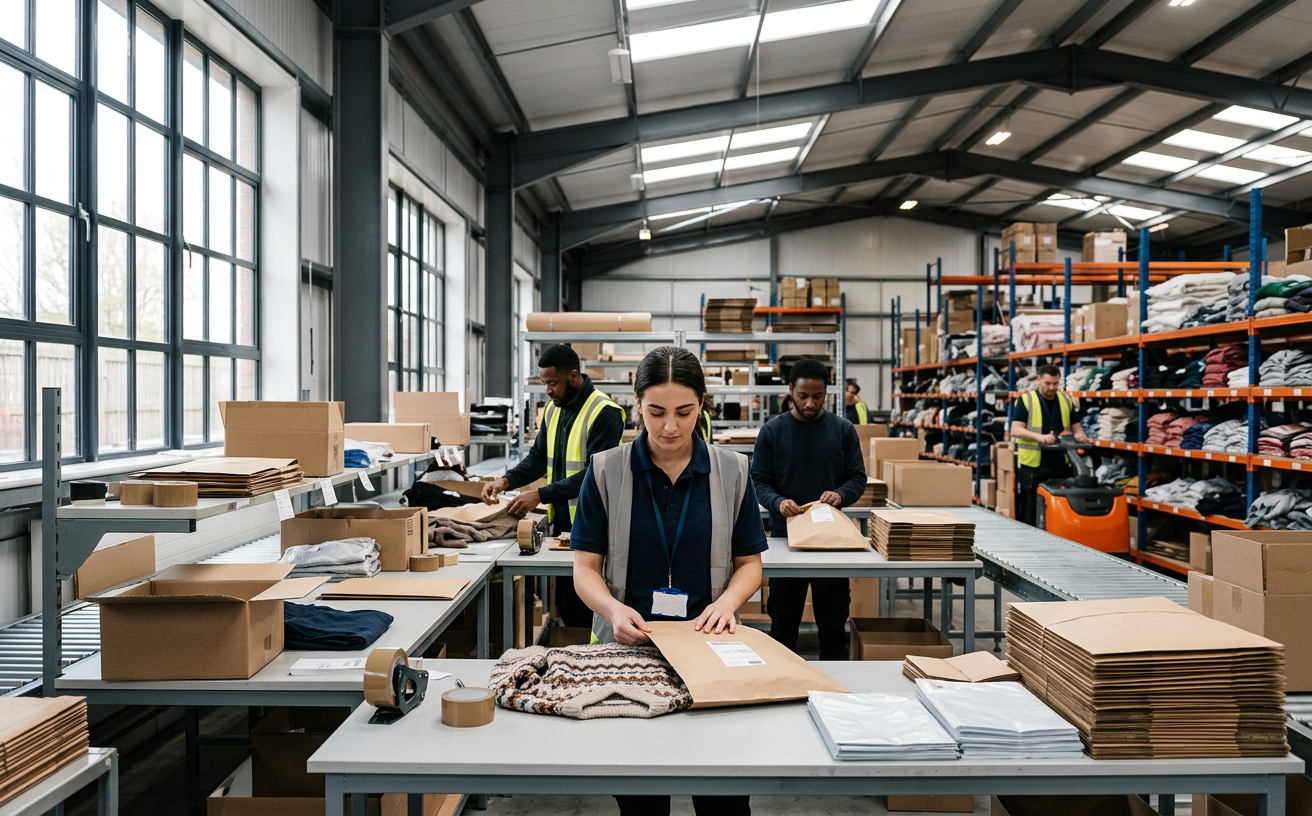
Britain's Ecommerce Rebound: How ASOS, Next and M&S Are Engineering a Profitable Comeback
After three years of margin pain, the United Kingdom's largest online retailers are growing again — but on dramatically different terms than before.
One short email. Stories you can use.
A free, occasional email from our editorial team with our latest features, explainers and reads. Unsubscribe any time — your email stays with us.