The Top Ecommerce Niches Quietly Winning the U.S., U.K. and European Markets in 2026
Beauty, athleisure, wellness, pet and resale are no longer trends — they are the operating cores of online retail across the West. Here is where the money is actually moving.

Ask any ecommerce operator in London, New York or Berlin which categories are actually compounding right now and the answers rhyme. The breakout niches of 2026 are not the speculative bets of three years ago — no metaverse storefronts, no NFT drops, no 10-minute everything. They are categories with repeat purchase, high gross margin and a clear emotional reason to come back. The story matters because the same handful of niches are quietly absorbing the bulk of the West's online growth, and the brands learning to operate inside them are setting the template for the next decade of consumer commerce.
Beauty and personal care: the most resilient online category in the West Clean beauty, skincare and fragrance continue to lead online category growth across all three regions. In the U.S., prestige beauty ecommerce is growing in double digits even as discretionary categories soften, with Sephora, Ulta and Amazon Premium Beauty splitting the bulk of digital share. In the U.K., Boots, Cult Beauty and Space NK have rebuilt around a tighter, founder-led brand mix. Across Europe, Douglas, Notino and Sephora are consolidating cross-border demand around a shared cohort of independent skincare labels. Gross margins of 60 to 80 percent and reorder rates above the category average make beauty the closest thing online retail has to an annuity.
Athleisure and performance apparel: the category that refuses to slow down Lululemon, Gymshark, Alo and Vuori have turned athleisure into a structural wardrobe category rather than a seasonal trend. In Britain, Castore and Gymshark continue to expand internationally while the legacy sportswear giants protect share through DTC. Across continental Europe, Zalando's private athleisure ranges and a growing cohort of Scandinavian performance brands are taking share from generic activewear. The thesis is the same everywhere: consumers are buying fewer occasion outfits and more daily-wear pieces engineered for movement, and they are buying them direct.
Health, wellness and supplements: subscription is the moat Ritual, AG1, Huel and a long tail of condition-specific supplement brands have made wellness one of the most durable subscription categories online. Repeat purchase economics, combined with creator-led discovery on TikTok and YouTube, give these brands a customer-acquisition profile that traditional CPG cannot match. Regulators in the U.K. and EU are tightening claims rules, which is quietly favouring the larger, better-funded operators that can afford clinical substantiation.
Pet care and premium pet food: the most underrated growth story Pet ecommerce has become one of the cleanest growth stories in Western retail. Chewy in the U.S., Pets at Home and Zooplus across the U.K. and Europe, plus a wave of premium fresh-food startups like The Farmer's Dog, Butternut Box and Tails.com, are converting an ageing pet-owning population and elevated per-pet spend into reliable subscription revenue. Average order values are high, repeat rates are exceptional, and the category travels well across borders.
Resale and recommerce: the structural winner of the cost-of-living era Vinted has become one of Europe's largest consumer marketplaces by GMV. Depop, eBay's refurbished tech business and Vestiaire Collective continue to expand. In the U.S., ThredUp, Poshmark and a growing wave of brand-operated resale programmes from the likes of Lululemon, Patagonia and REI are turning second-hand into a first-class retail channel. The combination of sustainability narrative, cost-of-living pressure and Gen Z preference is making resale the most defensible new niche of the cycle.
Home, garden and small-space living: the quiet compounder After a post-pandemic correction, home and garden ecommerce has stabilised around a smaller, more profitable cohort. Wayfair has refocused on margin, Made.com's collapse cleared the European mid-market, and a new generation of niche operators — small-space furniture, indoor plants, kitchen tools, candles and home fragrance — are growing on healthy unit economics rather than discounted GMV.
The winning niches of 2026 share three traits: a real reason to come back, a margin structure that survives paid acquisition, and a story a creator can tell in fifteen seconds.
What the cross-region pattern tells us The same five or six categories keep appearing at the top of every credible Western dataset — beauty, athleisure, wellness, pet, resale and select home subcategories. What varies is the operating model. In the U.S., marketplace and creator-led distribution dominates. In the U.K., a handful of national category leaders set the pace. Across Europe, the winners are the ones that respect national platforms, payment habits and language while still operating a single brand promise.
What to watch next Expect more brand-operated resale programmes, more clinical-grade wellness positioning, and continued consolidation of independent beauty under a smaller number of multi-brand retailers. Expect athleisure to keep colonising adjacent wardrobe categories, and expect pet to remain one of the few large consumer categories where new DTC entrants can still build durable subscription businesses. For operators and investors, the read-through is clear: the niches that win the next three years are already visible — the differentiator will be operational discipline, not category selection.
News Legacy maintains editorial independence. Some recommendations may contain affiliate links. We earn from qualifying purchases at no additional cost to you. Read our policy.
Read Next

Is Sohna Really the Next Chhatarpur?
Three decades after Chhatarpur redrew South Delhi's map for space, privacy and exclusivity, a familiar pattern is now taking shape further south, and Sohna is where the smart money is beginning to look.
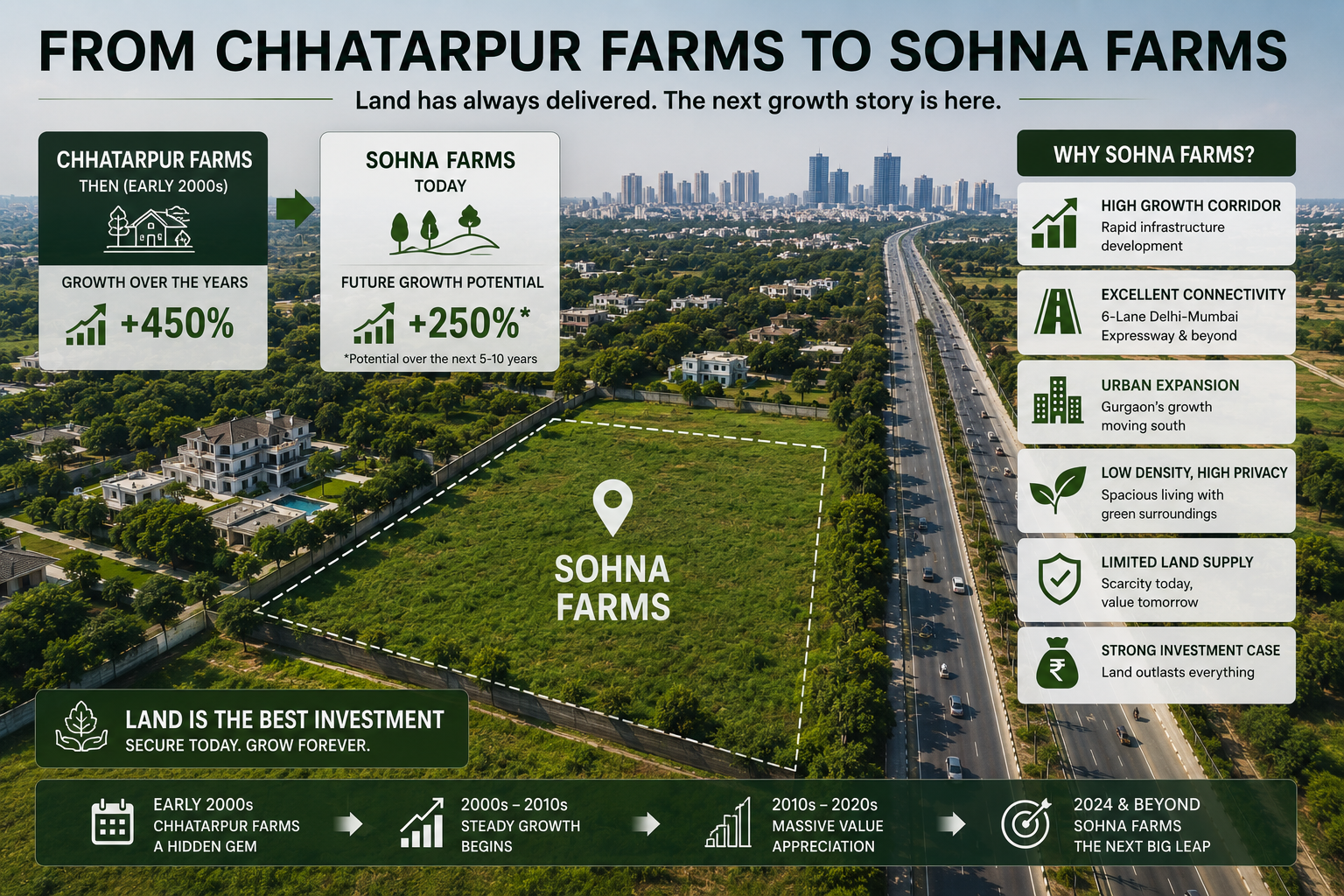
How Chhatarpur Farmhouses Created Multi-Crore Wealth for Early Buyers
What a quiet corner of South Delhi can teach investors about land, scarcity, and long-term wealth creation.

The ₹5 Crore Land Purchase That Became Worth ₹70 Crore
What the Story of DLF Chhatarpur Farms Reveals About Wealth Creation Through Premium Land Ownership
One short email. Stories you can use.
A free, occasional email from our editorial team with our latest features, explainers and reads. Unsubscribe any time — your email stays with us.