How Chhatarpur Farmhouses Created Multi-Crore Wealth for Early Buyers
What a quiet corner of South Delhi can teach investors about land, scarcity, and long-term wealth creation.
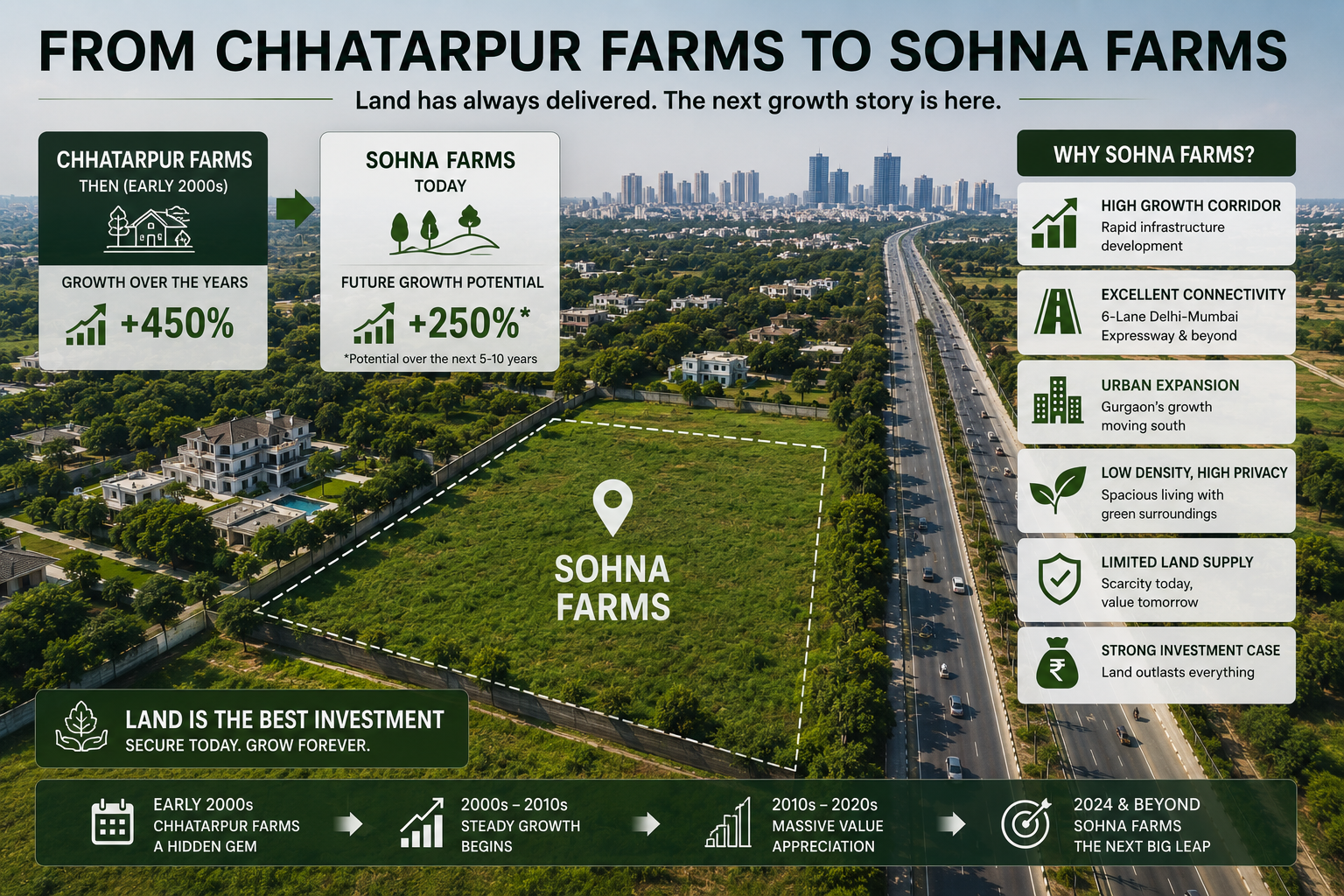
For most of the 1990s, Chhatarpur was not considered one of Delhi's most prestigious residential addresses. It sat on the southern edge of the city, beyond the traditional luxury enclaves of Golf Links, Jor Bagh, and Lutyens' Delhi. The roads were quieter, development was limited, and large land parcels were available at prices that, in hindsight, seem almost unimaginable.
Today, many of those same farmhouse properties are worth tens of crores. The story of Chhatarpur is not just a real estate success story. It is a case study in how premium land creates wealth over time.
The Difference Between Buying Property and Buying Land
Most residential buyers focus on buildings. The problem is that buildings depreciate. Paint ages. Interiors become dated. Structures require maintenance.
Land, however, behaves differently. When land is located near a growing city, supported by improving infrastructure, and constrained by limited future supply, it often becomes significantly more valuable over long periods. That is precisely what happened in Chhatarpur.
What early buyers acquired was not simply a farmhouse. They acquired large land parcels in a location that would eventually become one of the most desirable low-density residential belts in Delhi NCR.
Why Chhatarpur Became Valuable
Several factors converged over the past three decades.
South Delhi Expanded
As Delhi grew, locations that were once considered peripheral gradually became integrated into the urban fabric. Improved roads, airport connectivity, and proximity to premium neighborhoods transformed the perceived value of Chhatarpur. A location that once felt distant began feeling surprisingly central.
Scarcity Took Over
One of the most important principles in wealth creation is scarcity. Luxury apartments can be built repeatedly. Land cannot.
The number of large land parcels in South Delhi is finite. Every time a parcel changes hands, the supply available to future buyers becomes even smaller. This is one reason why elite locations such as Lutyens' Delhi continue to command extraordinary valuations. The area remains one of India's most exclusive low-density residential districts because new supply is virtually impossible to create. The same principle, at a different scale, worked in Chhatarpur.
The Rise of Privacy as Luxury
Luxury used to mean marble floors and imported fixtures. Today, many wealthy families define luxury differently. They want space, privacy, security, green surroundings, and distance from density.
This shift accelerated after the pandemic. Industry reports indicate growing demand for plotted developments and farmhouse communities within driving distance of major cities as buyers seek more space and lower density environments. Chhatarpur happened to offer exactly that.
The Wealth Creation Effect
While individual transactions vary significantly, market listings today illustrate how valuable premium farmhouse land has become. Current listings in the DLF Farms and Chhatarpur Farms area frequently range from several tens of crores depending on plot size, location, and development quality.
The key lesson is not whether a specific property increased by 20 times or 50 times. The lesson is that large, scarce, low-density land parcels near a major city have historically created substantial wealth for patient owners.
What Chhatarpur Buyers Understood Early
The most successful buyers were not speculators. Many purchased because they wanted weekend retreats, family gathering spaces, long-term assets, and generational holdings. The appreciation happened because the land became more valuable while they owned it.
This is often how significant wealth is created in real estate. Not through frequent trading, but through long-term ownership.
Why Wealthy Families Continue to Buy Land
Look at some of the most prestigious residential locations in the world: Lutyens' Delhi, Beverly Hills, Wentworth Estate in Surrey, Palm Beach, and The Hamptons. The common denominator is rarely the house itself. It is the land.
The world's wealthiest families consistently allocate capital toward scarce residential land because scarcity compounds over time. Lutyens' Delhi remains one of India's most coveted addresses precisely because of its low density, large plots, and extremely limited supply. The same wealth principle can be observed across premium residential markets globally.
The Emerging Question: What Could Be the Next Chhatarpur?
Every premium land market begins as an emerging market. There was a time when Golf Course Road was not Golf Course Road. Gurgaon was not Gurgaon. Chhatarpur was not Chhatarpur.
The challenge is never identifying the winner after it becomes successful. The challenge is recognizing potential before everyone else does. This is why investors increasingly study emerging corridors connected to infrastructure, supported by urban expansion, and characterized by low-density land ownership.
The Estate Ownership Evolution
An interesting shift is now taking place in NCR. Buyers are increasingly looking beyond the traditional farmhouse concept. Instead of unstructured land ownership, many prefer planned estate communities, controlled access, defined infrastructure, legal clarity, and hospitality and service integration.
This reflects a broader evolution in buyer preferences. The focus is no longer merely on owning land. The focus is on owning land within a well-defined ecosystem.
Final Thought
The story of Chhatarpur is not ultimately about farmhouses. It is about a timeless wealth principle: scarce land in the path of growth tends to become more valuable over time.
The families who bought early in Chhatarpur did not simply acquire property. They acquired a finite piece of land in a location that would eventually become highly desirable. That decision created wealth measured not in percentages, but in crores.
And as NCR continues to expand, many investors are asking the same question once again: which emerging low-density residential market today could become tomorrow's Chhatarpur?
News Legacy maintains editorial independence. Some recommendations may contain affiliate links. We earn from qualifying purchases at no additional cost to you. Read our policy.
Read Next
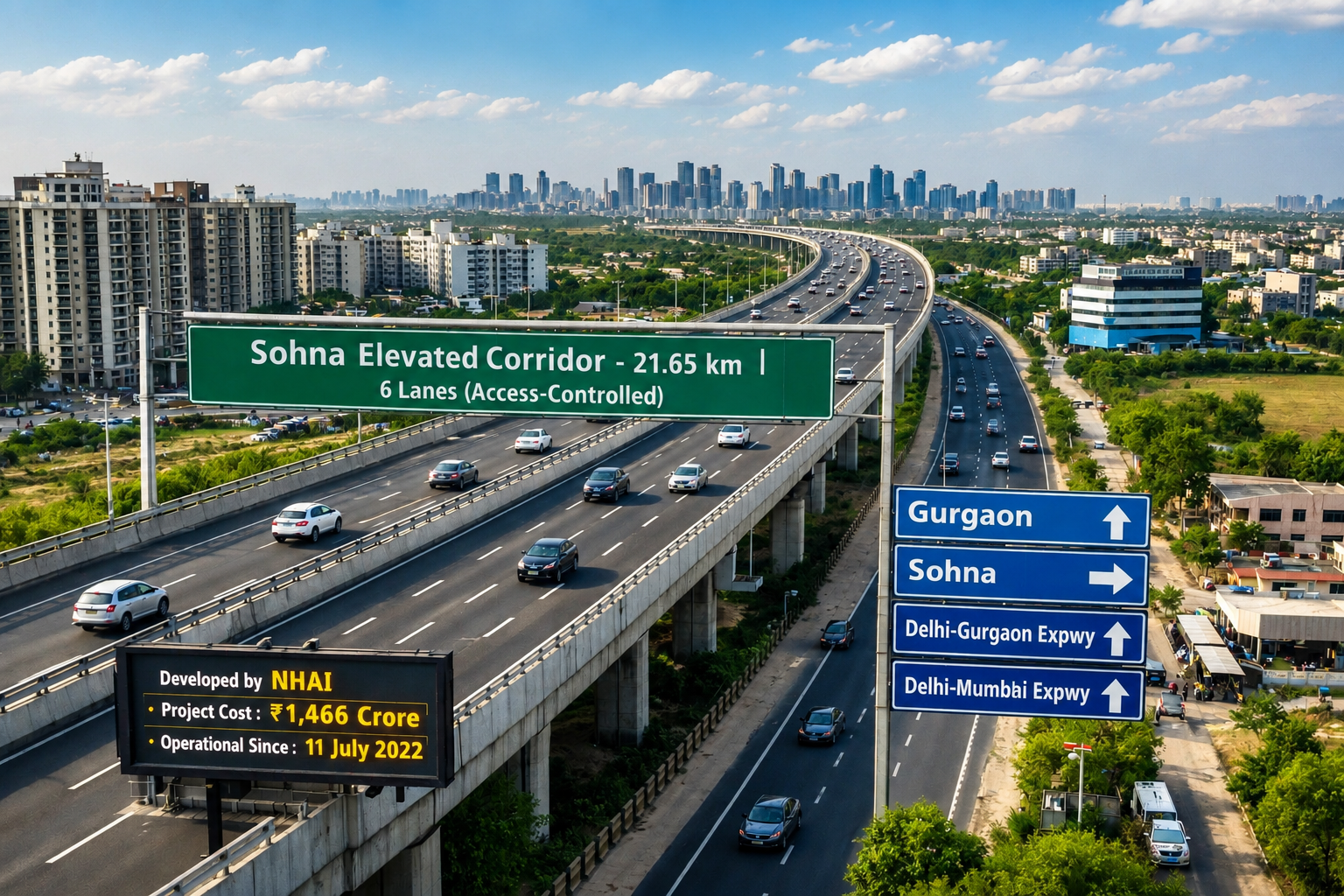
Is Sohna Really the Next Chhatarpur?
Three decades after Chhatarpur redrew South Delhi's map for space, privacy and exclusivity, a familiar pattern is now taking shape further south, and Sohna is where the smart money is beginning to look.
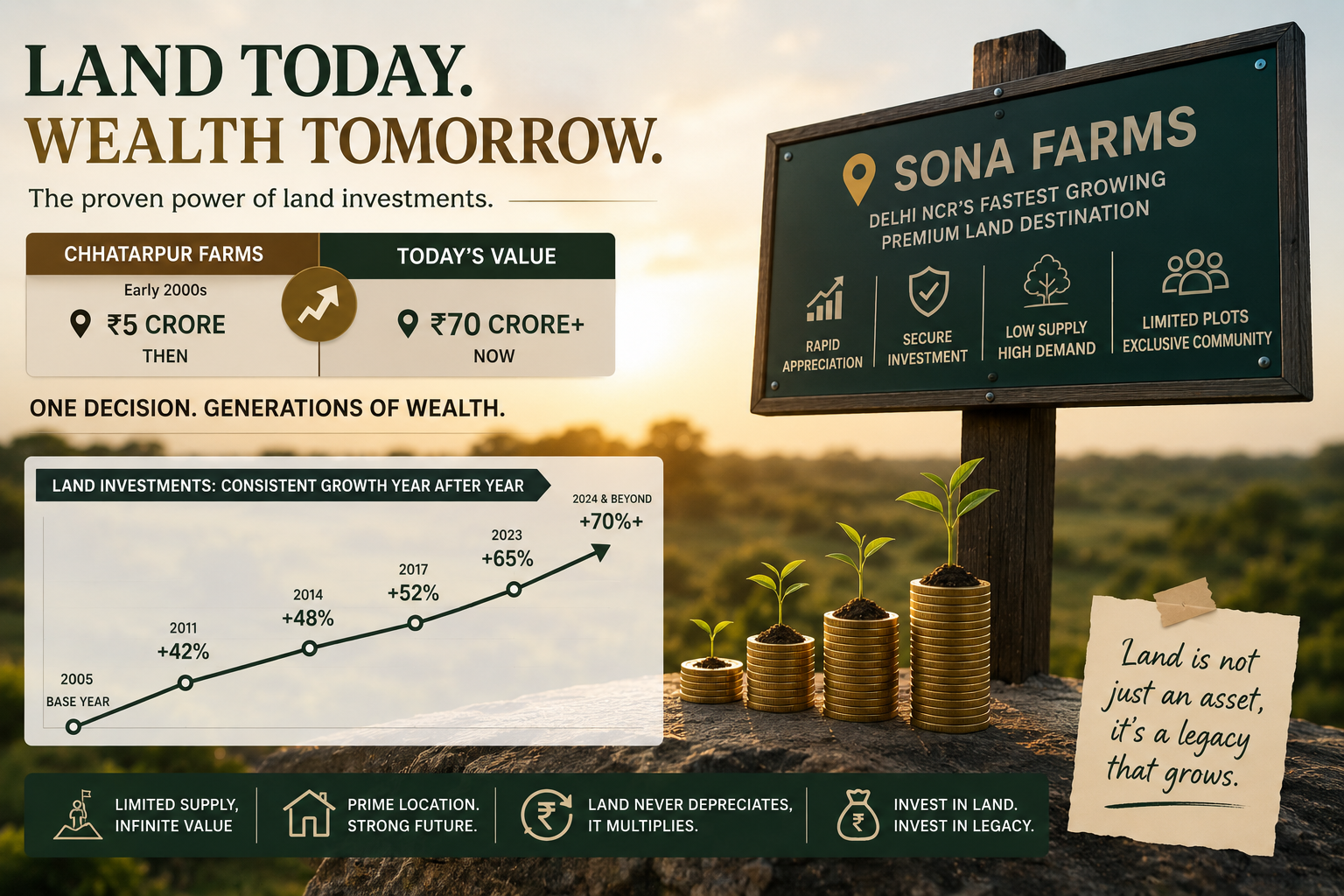
The ₹5 Crore Land Purchase That Became Worth ₹70 Crore
What the Story of DLF Chhatarpur Farms Reveals About Wealth Creation Through Premium Land Ownership
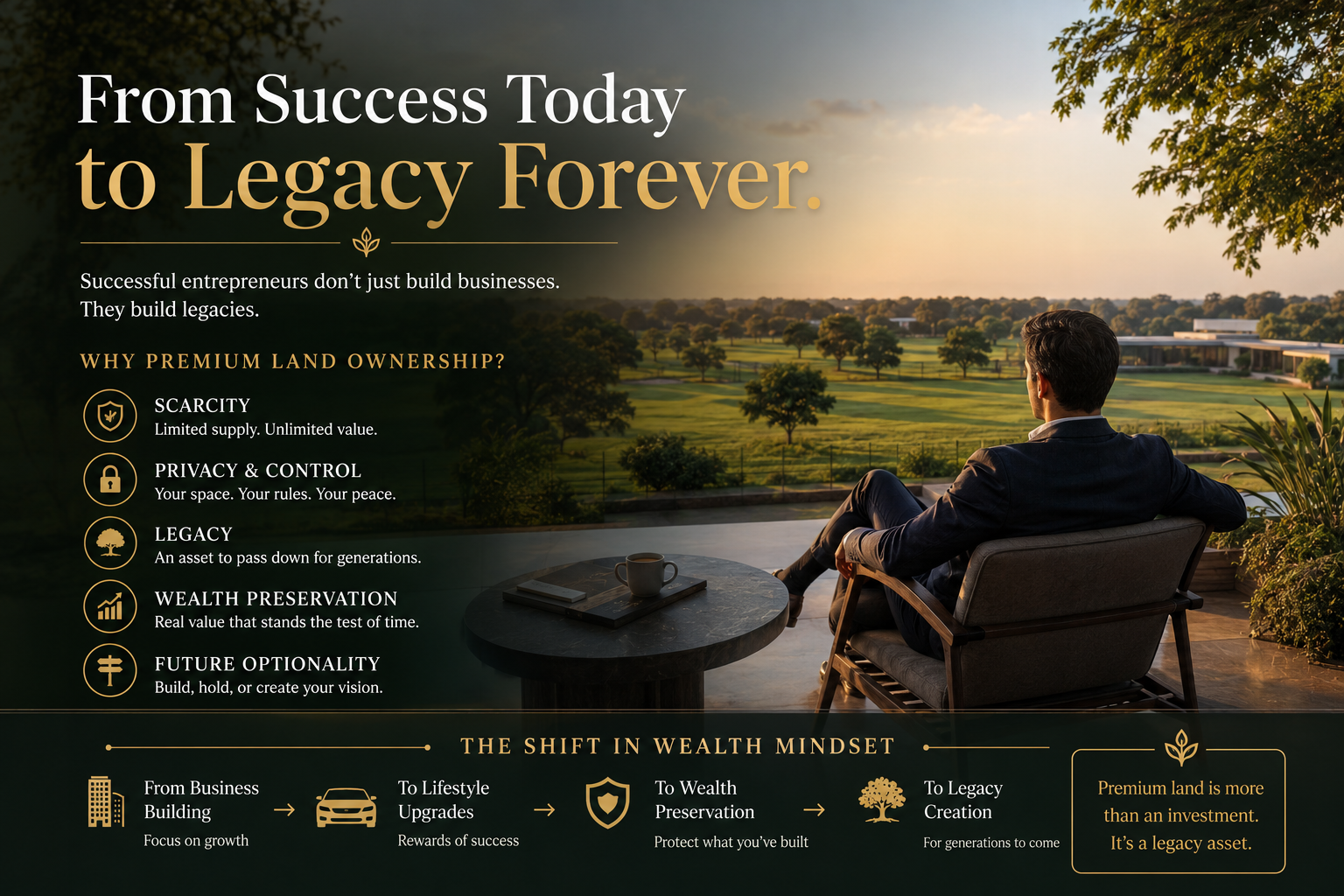
Why Successful Entrepreneurs Eventually Move Towards Premium Land Ownership
From Luxury Consumption to Legacy Creation
One short email. Stories you can use.
A free, occasional email from our editorial team with our latest features, explainers and reads. Unsubscribe any time — your email stays with us.