Grocery Giants Lean into Localised E-commerce to Counter DTC Gains
Traditional UK supermarkets are intensifying their digital strategies, leveraging hyper-local delivery networks and tailored online experiences to compete with the agile direct-to-consumer sector, particularly in the premium food and beverage space. This shift reflects a strategic imperative to reclaim market share from challenger brands, which have been rapidly expanding their reach.

At a Tesco Extra in Surrey Quays, a dedicated team of personal shoppers navigates aisles, fulfilling online orders for immediate dispatch via electric vans, distinct from the larger Ocado-style warehouse operations. This hybrid model, increasingly visible across major UK grocers, underscores a fundamental shift in how traditional retailers are confronting the persistent threat posed by direct-to-consumer (DTC) brands. The narrative is no longer solely about scale, but about immediacy, personalisation, and targeted logistics.
For years, DTC brands — from craft coffee deliveries to artisanal bread subscriptions — have chipped away at the margins of established supermarkets. Their appeal often lies in perceived authenticity, specialized product ranges, and a frictionless online experience. While an individual DTC offering might seem small, their cumulative impact on sectors like premium food, drinks, and even household goods represents a notable drain on the traditional grocery giants' revenues.
Data from Mintel indicates that a significant percentage of UK consumers, particularly in younger demographics, are willing to pay a premium for convenience and provenance. This preference has fuelled a surge in niche propositions, leaving larger retailers to re-evaluate their sprawling, often impersonal, online storefronts. The challenge for Sainsbury's or Asda is to offer the tailored experience of a specialist while maintaining the breadth and value expected of a supermarket.
The Last-Mile Battleground
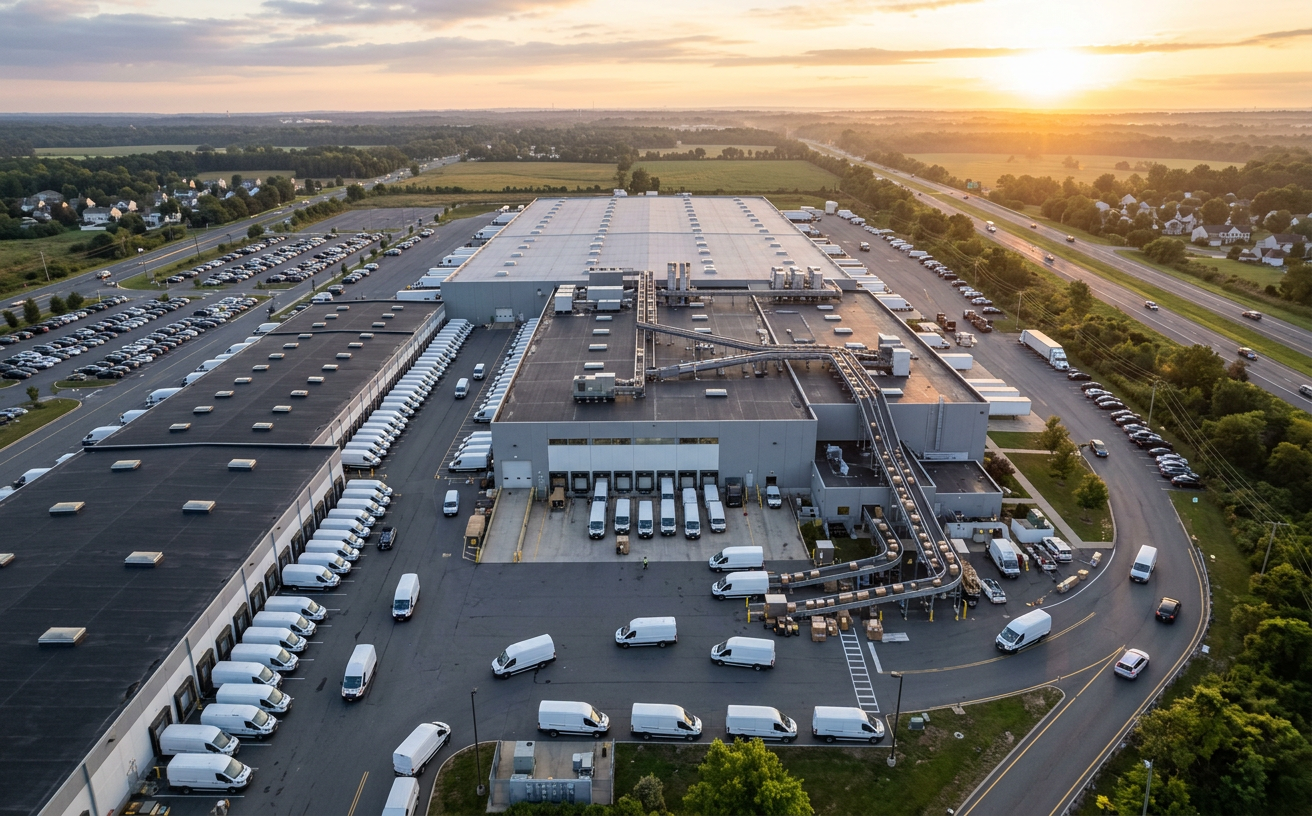
The emphasis on hyper-local fulfilment is a direct response to the DTC model's strength in last-mile delivery. While platforms like Deliveroo and Just Eat have primarily focused on restaurant takeaways, their infrastructure has demonstrated the viability of rapid, on-demand delivery. Supermarkets are now adapting these principles for their own grocery operations, using smaller, strategically located dark stores or existing high-street branches as micro-fulfilment centres. This approach dramatically reduces delivery times, moving beyond scheduled slots to offer sub-60-minute delivery in many urban areas.
Ocado, while a technological pioneer in automated warehouses, has also begun experimenting with smaller-format urban fulfilment centres to complement its larger facilities, recognising the need for agility where density allows. This dual strategy signals an industry-wide acknowledgement that one size does not fit all in the evolving e-commerce landscape. The investment in these agile networks is substantial, but seen as critical for maintaining relevance.
The agility of smaller digital-native brands has pushed established players to rethink their entire e-commerce infrastructure, moving beyond simply replicating supermarket aisles online.
Consider the financial implications: a consumer choosing a DTC artisan butcher for their weekend joint rather than the supermarket meat counter, or a specialist coffee subscription over a supermarket-bought blend. These seemingly small decisions accumulate, impacting everything from fresh produce sales to premium packaged goods. The sum of these individual choices translates into millions of pounds sterling annually shifted away from the traditional high street and major retail players.
Personalisation at Scale
Beyond logistics, the battle extends to the digital storefront itself. DTC brands excel at creating highly personalised user journeys, often through sophisticated data analytics and direct customer engagement. Traditional grocers are now investing heavily in AI-driven recommendation engines, customised promotional offers based on purchasing history, and enhanced digital content that mimics the storytelling capabilities of smaller brands. The goal is to move beyond mere transactional efficiency to foster a deeper, more resonant connection with the online shopper. Marks & Spencer, for example, has been refining its M&S.com platform to offer a more curated shopping experience, integrating its food and clothing lines more seamlessly.
The trajectory for UK grocery is clear: the digital realm, once an ancillary service, is now a core battleground where agility, personalisation, and rapid fulfilment are paramount. The entrenched giants are not merely observing; they are actively reconfiguring their operations to absorb the lessons learned from their nimbler, digital-native competitors.
News Legacy maintains editorial independence. Some recommendations may contain affiliate links. We earn from qualifying purchases at no additional cost to you. Read our policy.
Read Next

The Top Ecommerce Niches Quietly Winning the U.S., U.K. and European Markets in 2026
Beauty, athleisure, wellness, pet and resale are no longer trends — they are the operating cores of online retail across the West. Here is where the money is actually moving.
The 2026 Outlook for U.S. Ecommerce: Amazon, Walmart and Shopify Are Quietly Rewriting the Rules
Three operating systems now run American online retail. The next twelve months will decide which of them controls the next decade of the consumer wallet.
Britain's Ecommerce Rebound: How ASOS, Next and M&S Are Engineering a Profitable Comeback
After three years of margin pain, the United Kingdom's largest online retailers are growing again — but on dramatically different terms than before.
One short email. Stories you can use.
A free, occasional email from our editorial team with our latest features, explainers and reads. Unsubscribe any time — your email stays with us.