Navigating Fragmentation: The Future of European Online Marketplaces
European e-commerce platforms confront persistent geopolitical and logistical hurdles, even as they pursue scale against a backdrop of diverse consumer preferences and entrenched national players.

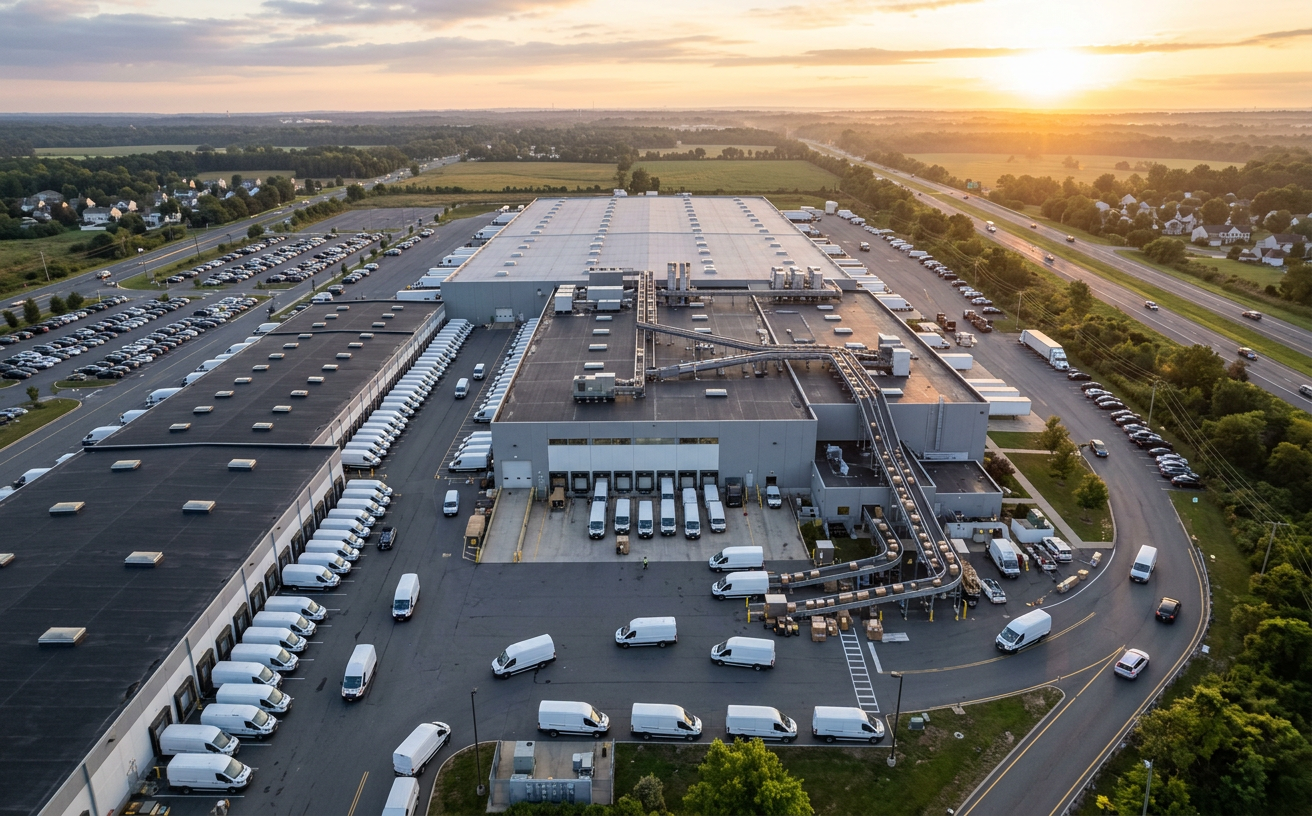
From its Berlin headquarters, Zalando oversees a complex web of logistics spanning over 25 European markets, showcasing both the ambition and the inherent challenges of continental e-commerce. While the immediate economic outlook across the Eurozone remains cautious, the digital shift in retail continues unabated, forcing both national champions and cross-border aspirants to recalibrate their strategies for growth and profitability.
The European marketplace landscape, unlike the more unified North American or Chinese markets, remains distinctly fractured. Language barriers, varied regulatory frameworks, and differing consumer expectations mean that a 'one-size-fits-all' approach rarely succeeds. This fragmentation provides opportunities for local specialists like Bol.com in the Benelux region or Allegro in Poland, which command significant market share within their home territories, often by a wide margin over global giants.
The Cross-Border Imperative
Yet, the pressure to expand beyond national borders is palpable. For platforms like Cdiscount in France, or even supermarket groups such as Carrefour and REWE which are increasingly pivoting towards online marketplaces, tapping into neighbouring economies offers crucial avenues for incremental revenue. The promise of the Digital Single Market frequently collides with the practicalities of last-mile delivery across disparate transport infrastructures and tax regimes.
Consider the varied approaches to consumer behaviour from the Nordic countries, with their high digital penetration and progressive social commerce trends, to Southern Europe, where trust in online transactions sometimes still lags. This diversity necessitates sophisticated localisation efforts, extending far beyond simple language translation to encompass payment methods, return policies, and even product assortments tailored to regional tastes and purchasing power.
The notion of 'European' retail often masks a multitude of distinct consumer cultures and operational realities.
Recent tremors felt by rapid grocery delivery services, such as the strategic pivots of former unicorns like Gorillas and Flink, highlight the thin margins and intense competition inherent in certain segments. While these players initially captured significant investment, sustainable profitability proved elusive, underscoring the importance of long-term operational efficiency over sheer growth at all costs in this competitive environment.
Niche and Neighbourhood Dominance
Paradoxically, while some large players struggle, others thrive by focusing on specific niches or geographies. Vinted, for instance, has successfully leveraged a circular economy model for second-hand fashion across multiple European countries, demonstrating that a strong value proposition can transcend borders and build a loyal user base. Similarly, Lidl's online ventures aim to extend its discount grocery model into digital channels, often building on existing brand recognition rather than reinventing the wheel.
Looking ahead, the successful European marketplace will likely be one that masters a delicate balance: leveraging technology for cross-border scale while respecting and adapting to local specificities. This involves intelligent investment in logistics infrastructure, data-driven personalisation, and a keen awareness of both national regulatory changes and evolving consumer sentiment. The race for continental dominance remains an intricate marathon, not a sprint.
News Legacy maintains editorial independence. Some recommendations may contain affiliate links. We earn from qualifying purchases at no additional cost to you. Read our policy.
Read Next

The Top Ecommerce Niches Quietly Winning the U.S., U.K. and European Markets in 2026
Beauty, athleisure, wellness, pet and resale are no longer trends — they are the operating cores of online retail across the West. Here is where the money is actually moving.
The 2026 Outlook for U.S. Ecommerce: Amazon, Walmart and Shopify Are Quietly Rewriting the Rules
Three operating systems now run American online retail. The next twelve months will decide which of them controls the next decade of the consumer wallet.

Britain's Ecommerce Rebound: How ASOS, Next and M&S Are Engineering a Profitable Comeback
After three years of margin pain, the United Kingdom's largest online retailers are growing again — but on dramatically different terms than before.
One short email. Stories you can use.
A free, occasional email from our editorial team with our latest features, explainers and reads. Unsubscribe any time — your email stays with us.