Ocado’s Agile Automation Offers a Blueprint for Retailers Beyond the Grocery Aisle
As British retailers navigate persistent economic uncertainties and evolving consumer expectations, the efficiencies pioneered by firms like Ocado in automated fulfillment are compelling broader adoption of advanced logistics platforms.

Even as Ocado Group reported a pre-tax loss of £508 million for the 2023 financial year, its technology division saw a 44% increase in revenue, signalling a growing appetite for its automated warehousing solutions. This dichotomy highlights a critical pivot point for the wider British retail sector: while front-end consumer operations grapple with a challenging economic climate, the underlying infrastructure powering e-commerce is experiencing robust demand, particularly as retailers seek resilience and cost efficiencies.
The journey many British consumers took from in-store browsing to online ordering, accelerated by the pandemic, has largely solidified. Retailers like Tesco, Sainsbury's, and Marks & Spencer continue to invest heavily in their digital channels, attempting to meet elevated expectations for speed and accuracy. However, scaling these operations profitably, especially against persistent inflation and labour costs, presents a significant challenge that traditional fulfillment models often struggle to address.
The Automation Imperative
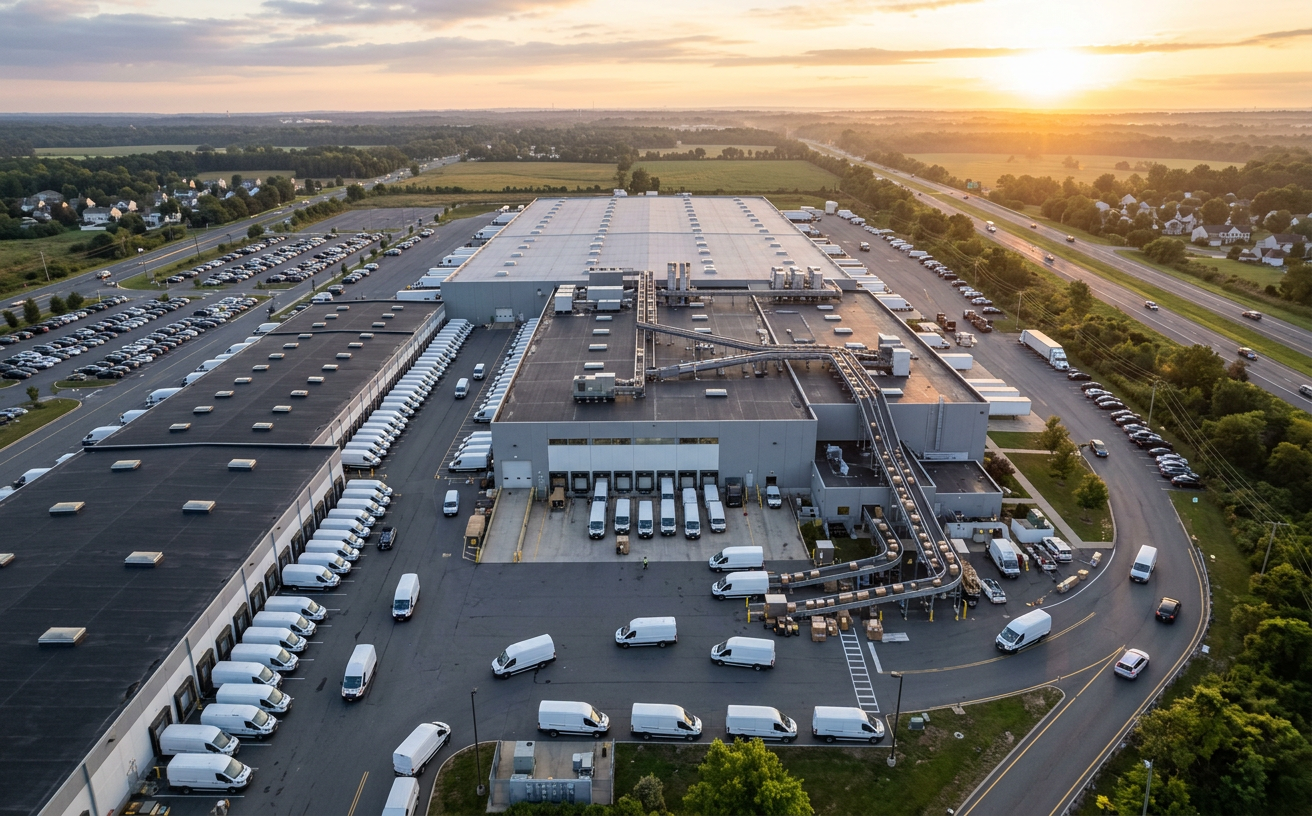
Ocado's approach, which integrates proprietary robotics, software, and artificial intelligence to run its Customer Fulfilment Centres (CFCs), offers a compelling alternative to manual or semi-automated warehouses. These facilities, characterised by grids of 'bots' moving across a hive-like structure at speeds up to four metres per second, are designed for high-density storage and rapid picking. The precision offered by such systems minimises errors and stock damage, contributing to a superior customer experience and reduced waste.
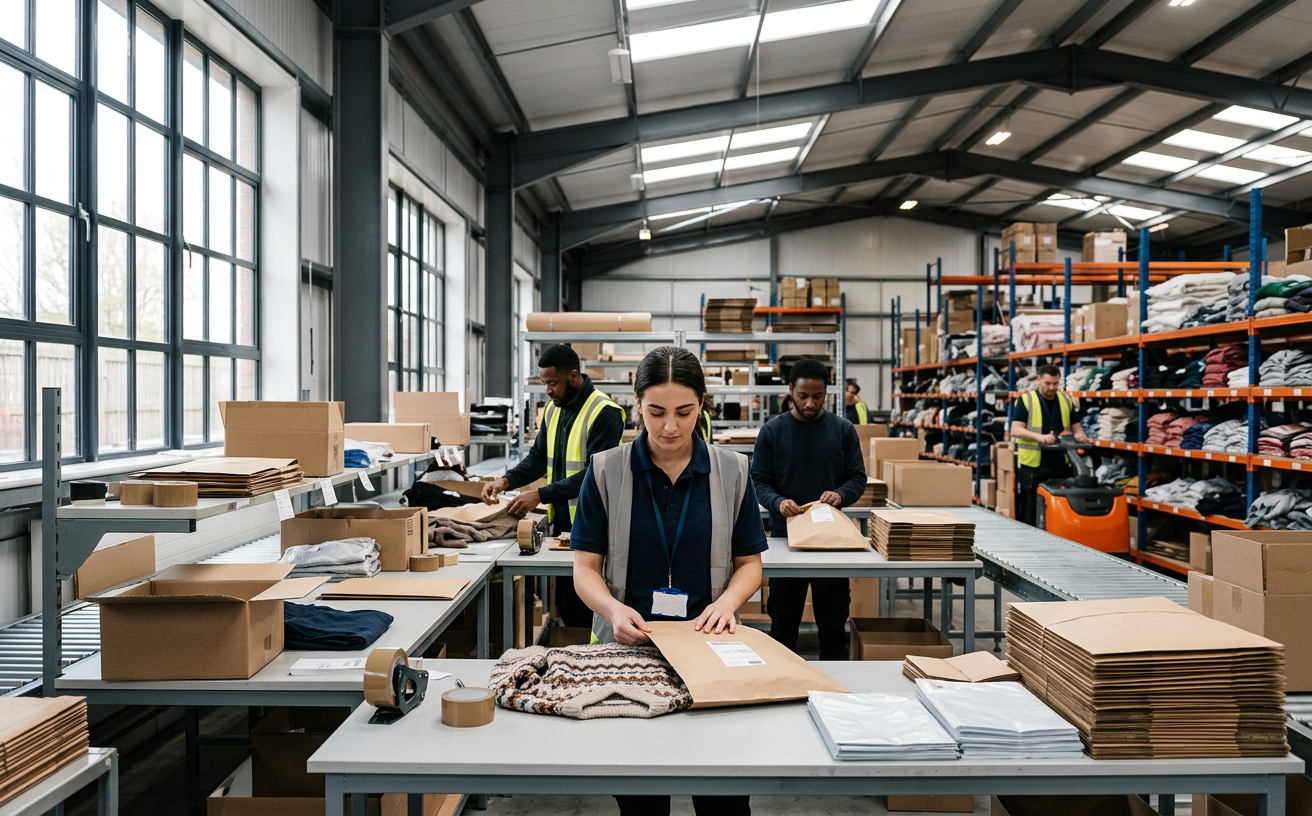
For general merchandise retailers, the lessons from Ocado's grocery model are particularly pertinent. Fashion giants like ASOS and Next, while already operating sophisticated logistics networks, could further optimise their inventory management and last-mile delivery with similar levels of automation. Consider the fluctuating demand for seasonal apparel or the intricate assortment of homeware at John Lewis; flexible, scalable automation could prevent costly overstocking or missed sales opportunities.
The strategic deployment of highly granular inventory control, enabled by sophisticated AI-driven algorithms, moves beyond mere efficiency; it becomes a fundamental competitive advantage in a market increasingly defined by rapid fulfilment and tailored consumer offerings.
The capital expenditure required for such advanced systems remains a significant barrier for many, yet the long-term operational savings and enhanced throughput capacity can justify the initial investment. Furthermore, the modular nature of some of these solutions allows for phased implementation, mitigating against 'big bang' risks. The ability to process a greater volume of orders per hour with fewer human errors directly translates to better margins in an environment where every penny counts.
Beyond the Warehouse Walls
The influence of automation extends beyond the physical confines of the warehouse. Data generated by these intelligent systems provides retailers with unprecedented insights into demand patterns, stock velocity, and operational bottlenecks. This intelligence can inform merchandising decisions, refine promotional strategies, and even predict future trends with greater accuracy, moving retailers away from reactive adjustments towards proactive planning.
While the immediate impact is most visible in large-scale e-commerce operations, the principles of agile automation are also beginning to permeate smaller retail formats and even the last-mile delivery ecosystem. Companies like Deliveroo and Just Eat, while primarily platform businesses, rely heavily on intricate logistical software to dispatch and track orders. Improvements in underlying warehouse automation could indirectly enhance their own service efficiency by ensuring quicker preparation times for products handled by their partners.
Ultimately, the evolution of retail in the UK is inextricably linked to technological advancement in its operational backbone. As Ocado continues to license its platform globally, its domestic impact might be less about its direct grocery sales and more about the standard it sets for automated efficiency across the entire retail landscape, compelling others to invest in similar transformative capabilities.
News Legacy maintains editorial independence. Some recommendations may contain affiliate links. We earn from qualifying purchases at no additional cost to you. Read our policy.
Read Next

The Top Ecommerce Niches Quietly Winning the U.S., U.K. and European Markets in 2026
Beauty, athleisure, wellness, pet and resale are no longer trends — they are the operating cores of online retail across the West. Here is where the money is actually moving.
The 2026 Outlook for U.S. Ecommerce: Amazon, Walmart and Shopify Are Quietly Rewriting the Rules
Three operating systems now run American online retail. The next twelve months will decide which of them controls the next decade of the consumer wallet.
Britain's Ecommerce Rebound: How ASOS, Next and M&S Are Engineering a Profitable Comeback
After three years of margin pain, the United Kingdom's largest online retailers are growing again — but on dramatically different terms than before.
One short email. Stories you can use.
A free, occasional email from our editorial team with our latest features, explainers and reads. Unsubscribe any time — your email stays with us.