The European Marketplace Paradox: Local Lines, Global Ambitions
Despite the digital veneer of a single market, Europe's e-commerce landscape remains fragmented, challenging even the most established players and creating unique opportunities for agile entrants.

Across Europe's diverse digital storefronts, the promise of seamless cross-border commerce often confronts the reality of persistent national preferences and logistical hurdles. Consider Zalando, a dominant force in German fashion, navigating distinctly different consumer expectations in France or Italy. Its significant market share in its home territory and the Nordics does not automatically translate into identical success elsewhere, highlighting an underlying paradox: Europe is a Union of nations, each with its own retail DNA, even online.
This fragmentation is not merely a matter of language or currency; it delves deeper into entrenched shopping habits, local payment systems, and varying regulatory frameworks. The success of players like Poland's Allegro, largely concentrated within its national borders before its recent expansion efforts, underscores the power of tailoring to a specific market's nuances. Even in 2024, the idea of a truly uniform 'European consumer' remains largely theoretical.
The Endurance of National Champions
While Amazon continues its broad European march, local champions demonstrate remarkable resilience. Bol.com in the Netherlands and Belgium retains a formidable position against global competitors, having cultivated deep trust and an understanding of its specific customer base. Similarly, France’s Cdiscount, despite its fluctuating fortunes, consistently adapts its offerings to French tastes and expectations, from electronics to household goods.
The grocery sector provides an even clearer illustration. Cross-border digital expansion for supermarkets like Carrefour or REWE has been a cautious, often brick-and-mortar-led affair. Online grocery delivery, as seen with the rapid expansions and subsequent retrenchments of Gorillas and Flink, faced swift market corrections in various European cities, proving that speed alone was insufficient without a robust, localised operational model.
One industry analyst observes that a pan-European e-commerce strategy often fails when it attempts to impose a singular model across inherently diverse consumer cultures. Each market demands a degree of bespoke adaptation, from product assortment to delivery promises and marketing communication.
Navigating the Second-Hand Economy and Logistics
The rise of circular economy platforms like Vinted, born in Lithuania but finding significant traction across France, Germany, and Spain, offers a counter-narrative. Its success hints at universal consumer values – affordability and sustainability – that can transcend national borders when the user experience is intuitively designed and logistics are managed efficiently. Yet, even Vinted grapples with varying parcel delivery infrastructure and return policies across member states.
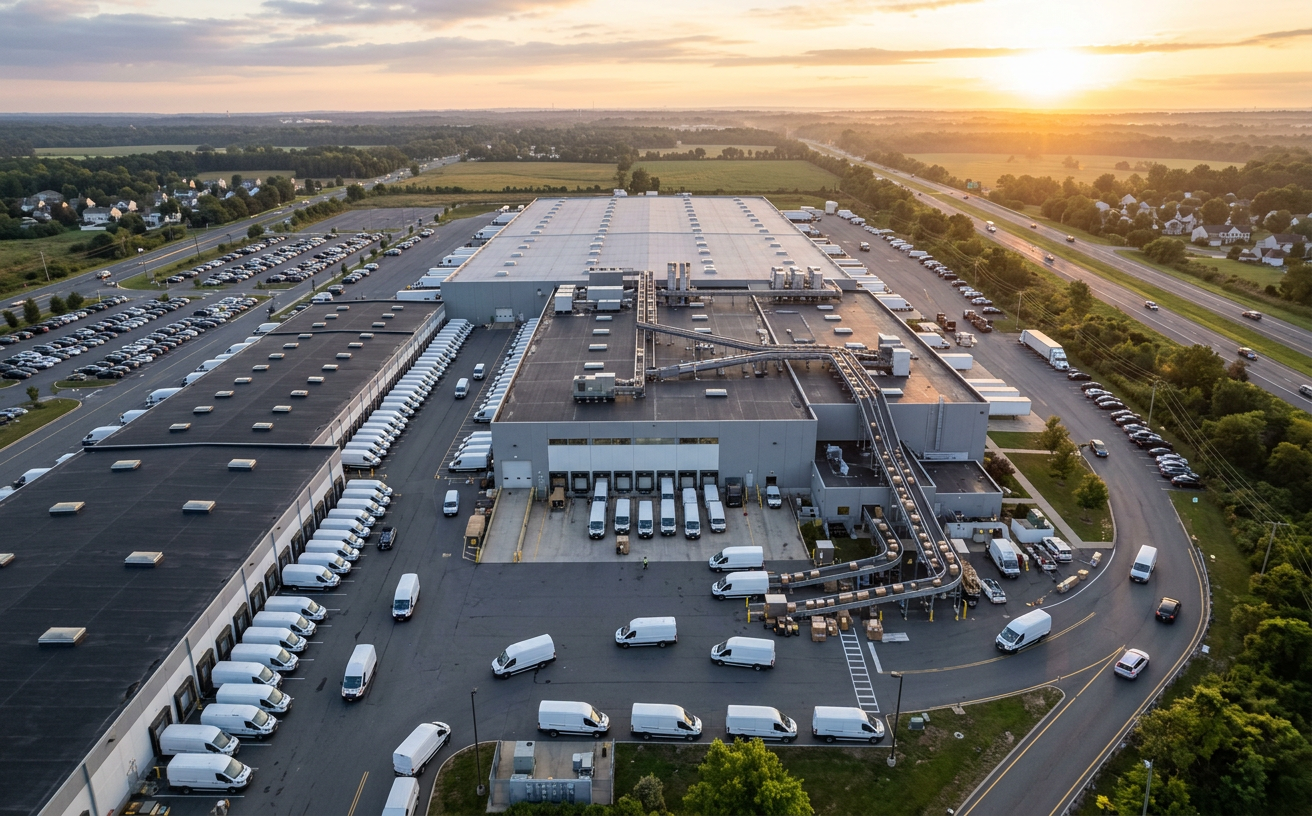
Logistical prowess remains a critical differentiator. The ability to move goods swiftly and cost-effectively from a warehouse in Germany to a customer in southern Spain, while complying with local labour laws and consumer protection acts, is a complex undertaking. Retailers often find themselves balancing economies of scale from consolidated distribution centres against the need for hyperlocal last-mile solutions, sometimes partnering with national postal services or smaller, regional carriers.
The persistent digital borders within the single market represent both a constraint and an opportunity. While they impede frictionless commerce for pan-European aspirations, these characteristics also foster the growth of agile, locally-attuned enterprises. For any entity seeking to thrive in the European digital economy, understanding and respecting these national idiosyncrasies remains paramount, rather than pursuing a homogenised strategy.
News Legacy maintains editorial independence. Some recommendations may contain affiliate links. We earn from qualifying purchases at no additional cost to you. Read our policy.
Read Next

The Top Ecommerce Niches Quietly Winning the U.S., U.K. and European Markets in 2026
Beauty, athleisure, wellness, pet and resale are no longer trends — they are the operating cores of online retail across the West. Here is where the money is actually moving.
The 2026 Outlook for U.S. Ecommerce: Amazon, Walmart and Shopify Are Quietly Rewriting the Rules
Three operating systems now run American online retail. The next twelve months will decide which of them controls the next decade of the consumer wallet.
Britain's Ecommerce Rebound: How ASOS, Next and M&S Are Engineering a Profitable Comeback
After three years of margin pain, the United Kingdom's largest online retailers are growing again — but on dramatically different terms than before.
One short email. Stories you can use.
A free, occasional email from our editorial team with our latest features, explainers and reads. Unsubscribe any time — your email stays with us.