The Evolving High Street: Adapting to Value and Convenience in Britain's Retail Landscape
British shoppers are recalibrating their spending habits and expectations, forcing a fundamental reassessment of traditional retail models as economic pressures persist and digital integration deepens its hold.

A Saturday afternoon at a bustling Tesco Extra outside Manchester reveals a consumer base meticulously weighing choices. Shoppers are gravitating towards own-brand labels and discounted multipacks with renewed vigour, a tangible reflection of the inflationary pressures that have reshaped household budgets across the UK. This pronounced shift towards value, coupled with an enduring demand for digital convenience, is compelling a strategic pivot among even the most entrenched British retailers.
The landscape for retailers such as Marks & Spencer and Next has become a delicate balancing act. While these stalwarts retain customer loyalty in many categories, their operational models must continually adapt to fluctuating discretionary spending. Marks & Spencer, for instance, has invested heavily in optimising its food-to-go offerings and refining its online clothing proposition, acknowledging that a prime high-street location alone is no longer a guarantor of success.
The Entrenchment of Convenience
The pandemic accelerated an appreciation for rapid delivery services, an expectation that has now solidified. Companies like Deliveroo and Just Eat, primarily known for restaurant meals, have significantly expanded into grocery delivery, offering everything from a pint of milk to a forgotten dinner ingredient within minutes. This 'instant gratification' culture places immense pressure on traditional supermarkets and even specialist online grocers like Ocado, which operate on more structured delivery windows. The competitive edge is increasingly determined by speed and accessibility.
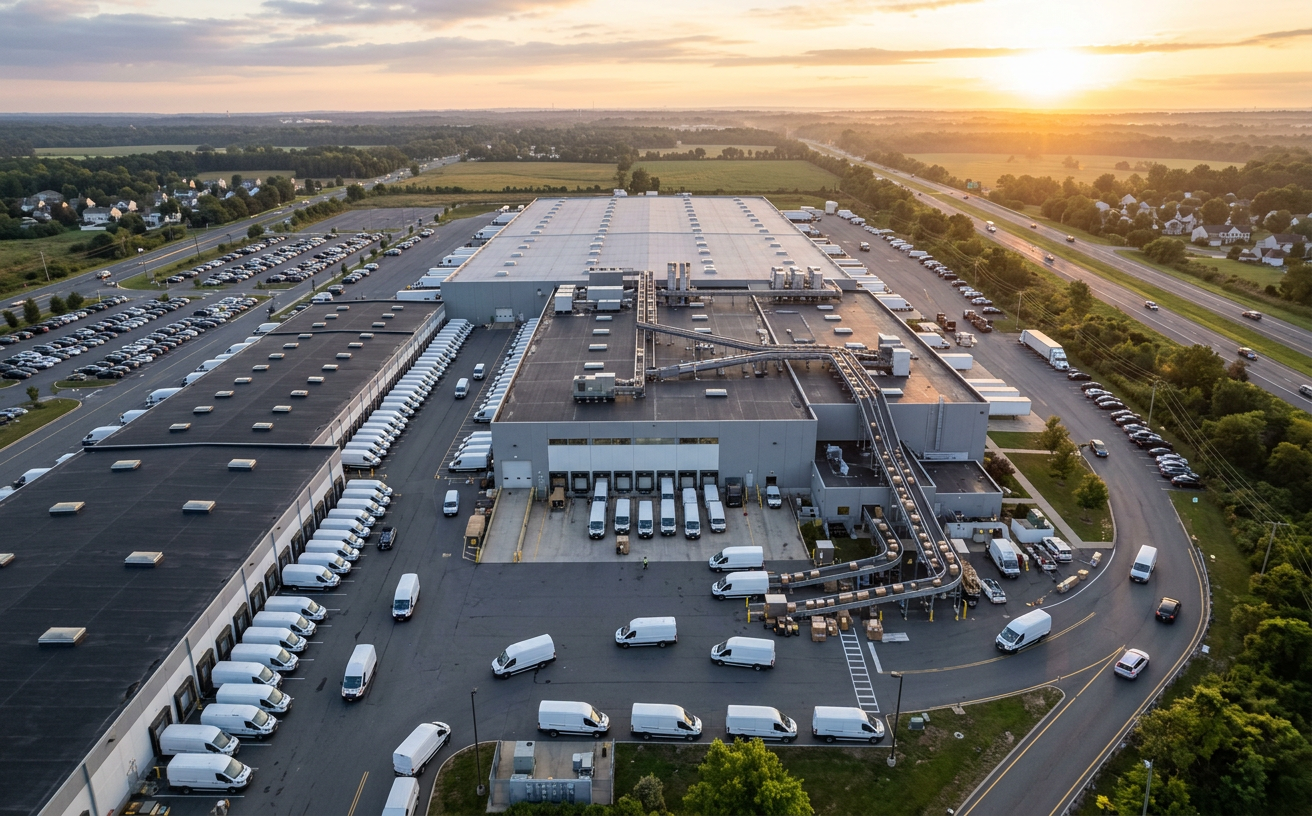
For traditional grocers, including Sainsbury's and Tesco, the response has been multifaceted. Investment in rapid fulfilment centres, often in partnership with third-party logistics or through their own express services, is becoming standard. These efforts are not merely about matching competitors but about redefining the very nature of grocery shopping for a segment of the population that prioritises time above all else. The operational complexities and associated costs of these rapid delivery networks present a significant challenge to profitability.
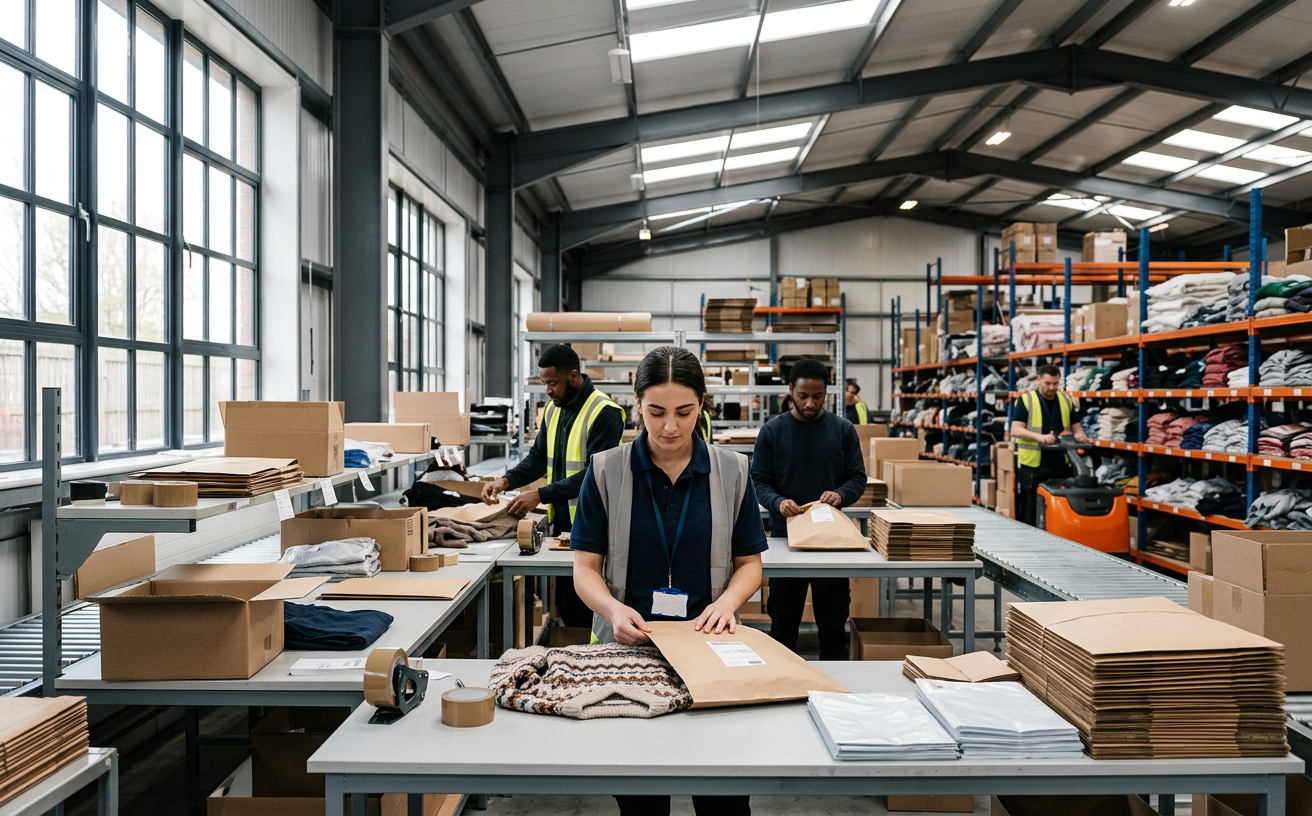
The clothing sector faces a distinct, yet related, set of hurdles. Online Pure Plays like ASOS continue to battle intense competition and evolving sustainability demands from consumers. Meanwhile, bricks-and-mortar clothing retailers, including Next, are leveraging their physical store footprint for convenient click-and-collect services and efficient returns, attempting to merge the digital and physical experience seamlessly. This omnichannel approach is no longer a competitive advantage but a foundational requirement.
Navigating Economic Headwinds
The lingering effects of inflation, particularly on food and energy prices, mean that consumers are generally more considered in their purchasing decisions. Promotions and loyalty schemes have taken on enhanced significance. Data from the Office for National Statistics indicates a persistent focus on price for many household staples, suggesting that promotional periods and loyalty card discounts are not just attractive, but often necessary for many British families managing tight budgets.
Retailers must not only contend with these immediate economic pressures but also anticipate the longer-term structural shifts in consumer behaviour. The digital native generations entering the primary spending demographics exhibit different brand loyalties and shopping patterns, often valuing transparency, ethical sourcing, and personalisation to a greater degree. This necessitates a continuous evolution of brand narratives and product offerings.
The retailers that will thrive are those that master the intricate dance between competitive pricing, unparalleled convenience, and a clear understanding of their evolving customer's values.
Ultimately, the British retail sector is undergoing a profound transformation. Success will hinge on the agility of enterprises to not only absorb economic shocks but to innovatively integrate digital capabilities with physical presence, all while maintaining a laser focus on the shifting demands for both value and instant gratification that define the contemporary UK shopper.
News Legacy maintains editorial independence. Some recommendations may contain affiliate links. We earn from qualifying purchases at no additional cost to you. Read our policy.
Read Next

The Top Ecommerce Niches Quietly Winning the U.S., U.K. and European Markets in 2026
Beauty, athleisure, wellness, pet and resale are no longer trends — they are the operating cores of online retail across the West. Here is where the money is actually moving.
The 2026 Outlook for U.S. Ecommerce: Amazon, Walmart and Shopify Are Quietly Rewriting the Rules
Three operating systems now run American online retail. The next twelve months will decide which of them controls the next decade of the consumer wallet.
Britain's Ecommerce Rebound: How ASOS, Next and M&S Are Engineering a Profitable Comeback
After three years of margin pain, the United Kingdom's largest online retailers are growing again — but on dramatically different terms than before.
One short email. Stories you can use.
A free, occasional email from our editorial team with our latest features, explainers and reads. Unsubscribe any time — your email stays with us.