The High Street's Algorithmic Squeeze: AI's Dual Impact on UK Retail
Across Britain's retail landscape, artificial intelligence is reshaping everything from supply chains to customer engagement, presenting both pathways to efficiency and new competitive pressures for established players.

At a Tesco Extra in Norwich, predictive analytics quietly orchestrates restocking schedules, anticipating demand fluctuations for everything from fresh produce to seasonal confectionery. This granular application of artificial intelligence, far from being a distant Silicon Valley concept, is now a fundamental component of operational strategy for numerous UK high street mainstays, fundamentally altering how they procure, distribute, and sell goods.
The integration of AI extends beyond simple inventory management. For grocers like Sainsbury's, machine learning algorithms are refining promotional offers, attempting to predict individual customer preferences with greater accuracy than ever before. This shift from broad-brush marketing to hyper-personalisation represents a significant investment, promising enhanced customer loyalty and reduced waste through more targeted campaigns.
Operational Efficiencies and the Scale Advantage
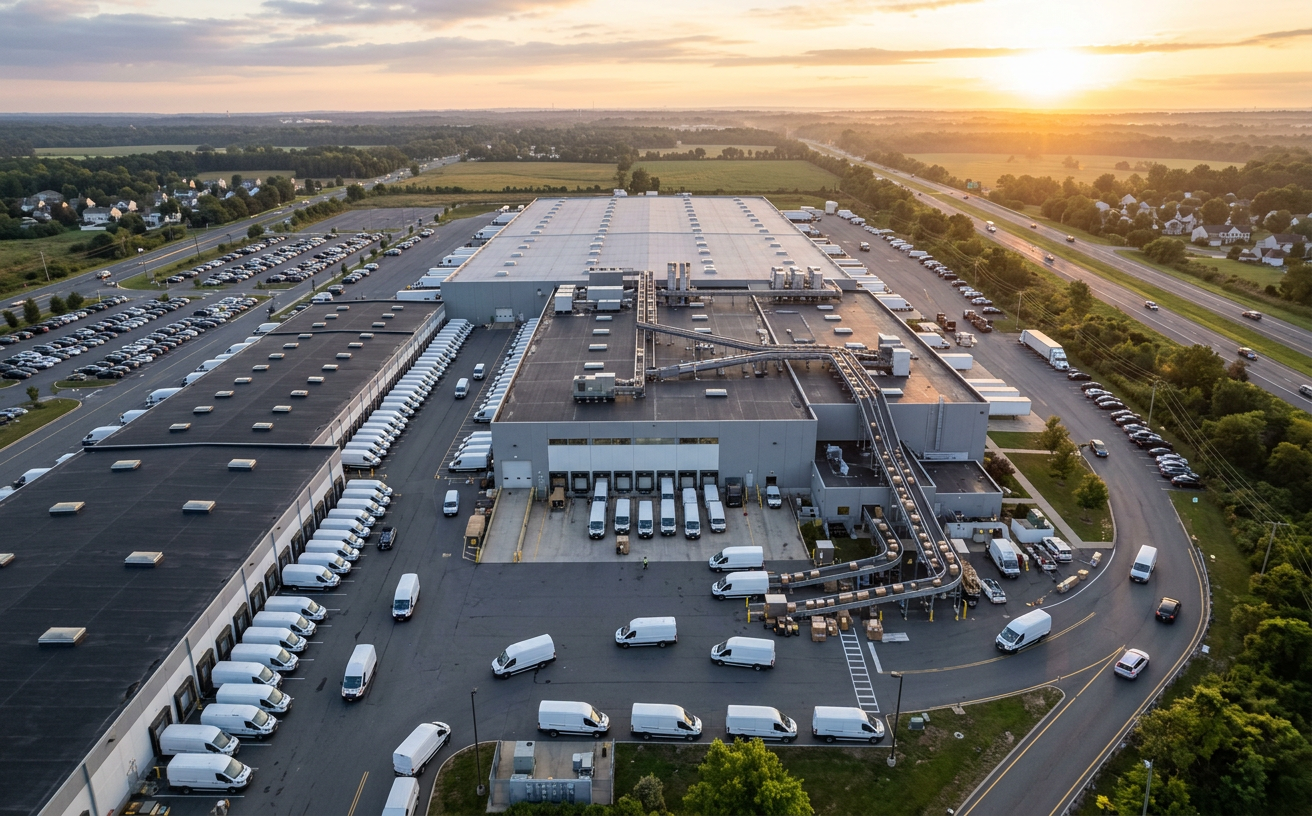
Companies with substantial data repositories are uniquely positioned to leverage these advancements. Firms such as Ocado, with its automated warehouses, exemplify the potential for AI-driven logistics to deliver sustained competitive advantages. Their robotic picking systems, guided by complex algorithms, achieve efficiencies that traditional manual operations cannot match, setting a new benchmark for speed and cost-effectiveness in grocery delivery.
However, the capital expenditure required to implement such sophisticated systems is not insignificant. This creates a discernible chasm between retail giants with deep pockets and smaller, independent businesses. While major players can absorb the cost of advanced AI infrastructure, smaller entities often find themselves relegated to off-the-shelf solutions, which may offer less bespoke optimisation.
The competitive advantage now accrues disproportionately to those capable of extracting actionable insights from vast, diverse datasets.
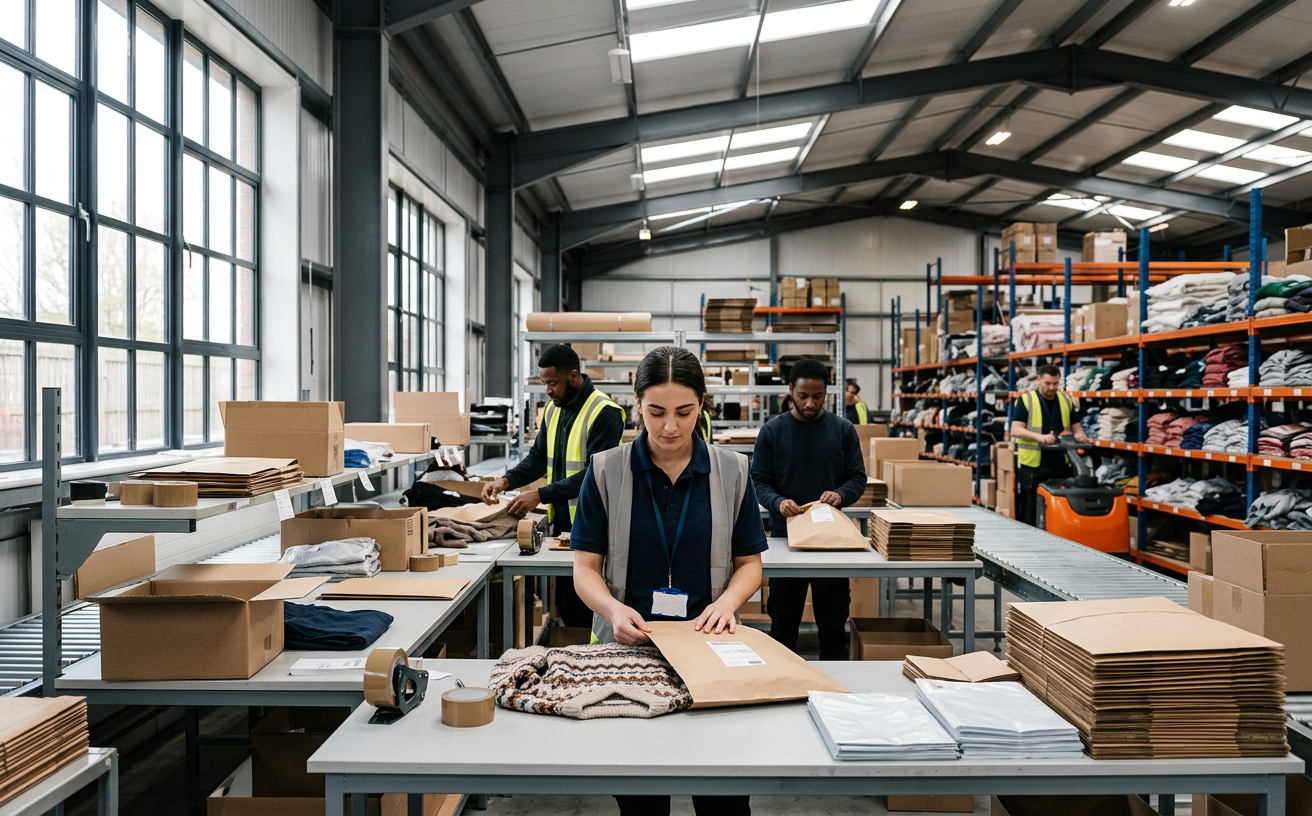
In fashion retail, ASOS and Next are employing AI to analyse browsing patterns, predict emerging style trends, and optimise pricing strategies in real-time. This dynamic approach to merchandising allows for quicker adaptation to consumer shifts, reducing the risk of overstocking unpopular items and ensuring a more responsive supply chain. The ability to forecast demand with greater precision is especially critical in an industry characterised by rapid cycles and fickle consumer tastes.
Customer Experience and Ethical Considerations
The application of AI also directly influences the customer journey. Personalised recommendations on e-commerce platforms, chat-bots for customer service enquiries, and even AI-powered visual search tools are becoming commonplace. Marks & Spencer, for example, is exploring how AI can enhance its in-store experience, potentially guiding shoppers to relevant products based on their past purchases and preferences accessed via loyalty programmes.
Nevertheless, the increasing reliance on algorithmic decision-making introduces a new layer of complexity concerning data privacy and ethical implications. Consumers are becoming more discerning about how their personal data is collected and utilised, and a misstep in this area could easily erode trust, irrespective of the operational benefits derived from AI.
The food delivery sector provides another pertinent example. Just Eat and Deliveroo leverage AI to optimise delivery routes, manage rider allocation, and predict peak demand periods, enhancing efficiency for both consumers and partner restaurants. These systems are constantly learning, adapting to traffic conditions and order volumes, thereby reducing delivery times and improving service reliability across urban agglomerations.
News Legacy maintains editorial independence. Some recommendations may contain affiliate links. We earn from qualifying purchases at no additional cost to you. Read our policy.
Read Next

The Top Ecommerce Niches Quietly Winning the U.S., U.K. and European Markets in 2026
Beauty, athleisure, wellness, pet and resale are no longer trends — they are the operating cores of online retail across the West. Here is where the money is actually moving.
The 2026 Outlook for U.S. Ecommerce: Amazon, Walmart and Shopify Are Quietly Rewriting the Rules
Three operating systems now run American online retail. The next twelve months will decide which of them controls the next decade of the consumer wallet.
Britain's Ecommerce Rebound: How ASOS, Next and M&S Are Engineering a Profitable Comeback
After three years of margin pain, the United Kingdom's largest online retailers are growing again — but on dramatically different terms than before.
One short email. Stories you can use.
A free, occasional email from our editorial team with our latest features, explainers and reads. Unsubscribe any time — your email stays with us.