The High Street's Unseen Architect: How Logistics Start-ups Are Reshaping UK Retail
While headlines often focus on retail's digital storefronts, a quiet revolution in warehousing, delivery, and returns is fundamentally altering how British consumers shop and receive goods. A new wave of logistics start-ups is redrawing the battle lines for efficiency and customer satisfaction.

Even as venerable institutions like Marks & Spencer contend with evolving consumer habits and supply chain pressures, a dynamic ecosystem of lesser-known enterprises is carving out a vital niche. These logistics innovators, often operating discreetly behind the scenes, provide the critical infrastructure that allows both established giants and nimble e-commerce brands to thrive in a competitive landscape, directly influencing everything from stock availability at Tesco to the speed of an ASOS delivery.
The growth of online retail, now a well-established facet of British commerce, has magnified the importance of sophisticated logistics. When consumers can order groceries from Ocado for next-day delivery or receive fashion items from ASOS within hours, the underlying operational machinery must be robust and adaptable. This demand has spurred significant investment and innovation in last-mile delivery, fulfilment centres, and reverse logistics – the often-overlooked process of handling returns.
The Fulfilment Frontier
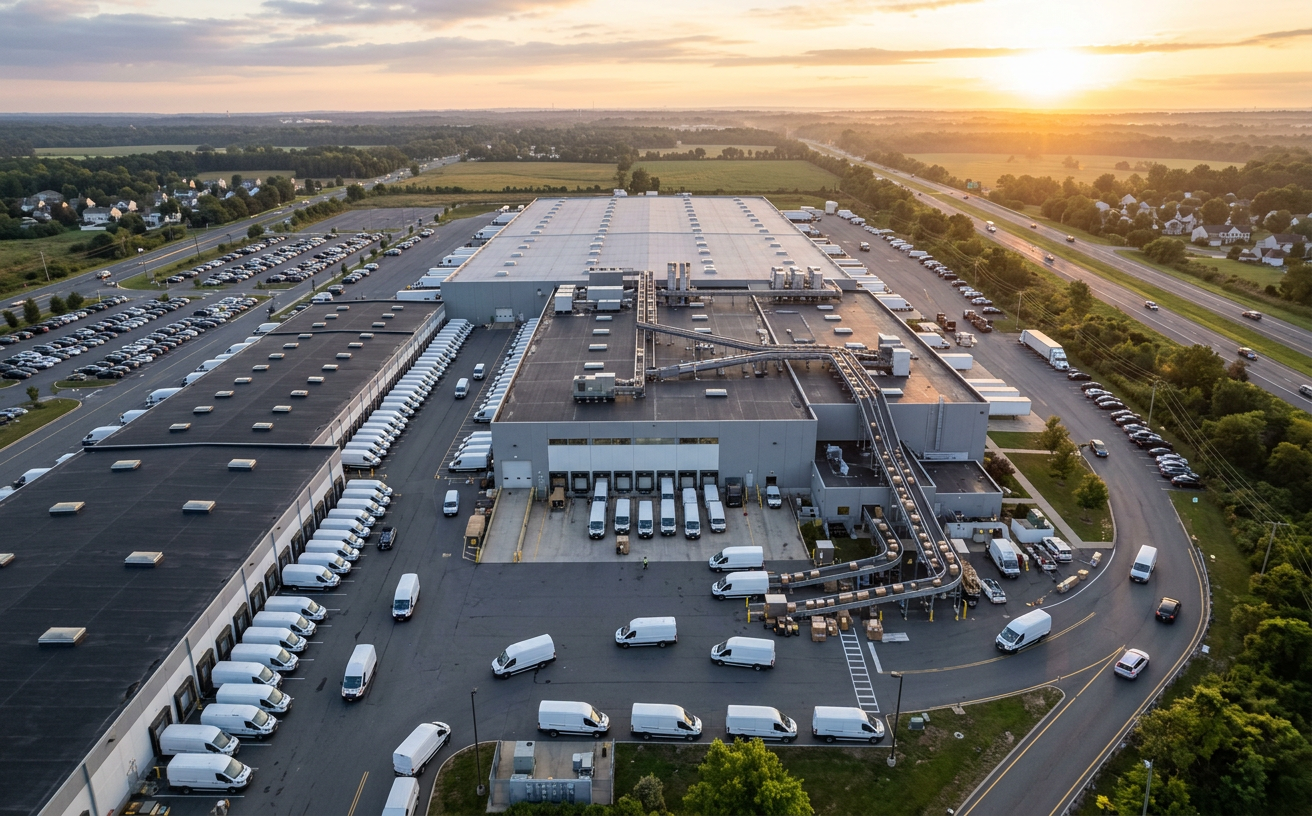
Traditional warehousing often involved static, labour-intensive processes. Today's fulfilment centres, powered by start-ups like Wincanton subsidiary Cygnia Logistics or even smaller, more specialised players focusing on particular niches, increasingly leverage automation and data analytics. Robotics for picking and packing, sophisticated inventory management software, and AI-driven demand forecasting are becoming standard. These technologies reduce errors, accelerate processing times, and allow retailers to manage a far wider array of SKUs with greater precision. This efficiency gain is crucial for profitability in a market where consumers expect both low prices and rapid delivery.
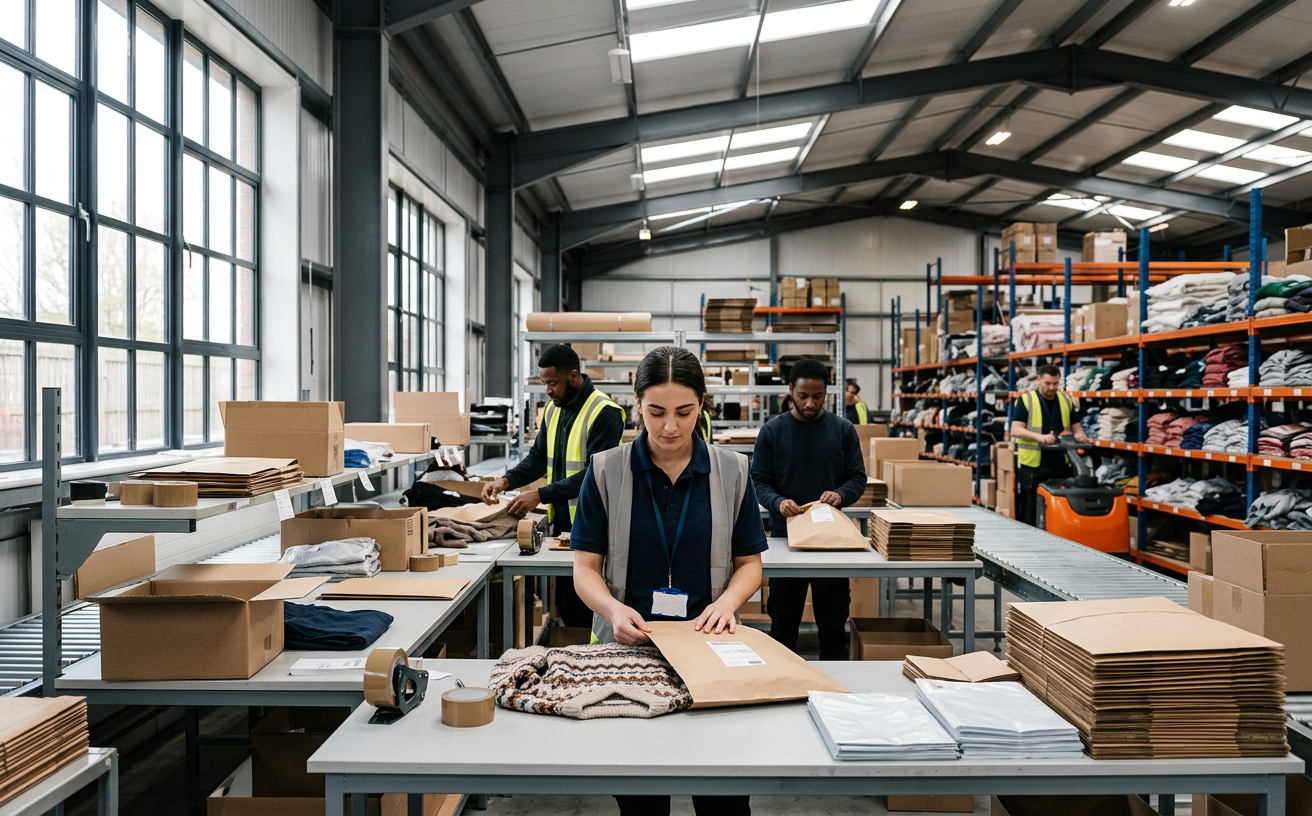
Consider the complexity of managing inventory for a retailer like Next, which offers extensive product lines across multiple categories. Integrating with third-party logistics start-ups that specialise in garment handling, quality control, and rapid dispatch can free Next to focus on design and marketing, while outsourcing the operational intricacies to experts. This partnership model is becoming increasingly prevalent, enabling scalability without significant capital expenditure on internal infrastructure.
Navigating the Last Mile Challenge
The 'last mile' – the final leg of delivery from a distribution hub to the customer's doorstep – remains arguably the most challenging and expensive aspect of e-commerce logistics. Companies like Deliveroo and Just Eat have mastered rapid food delivery, setting a precedent for speed that now infiltrates broader retail expectations. Applied to general merchandise, this necessitates a new generation of carriers and delivery management platforms. Start-ups are emerging that optimise delivery routes using machine learning, consolidate parcels to reduce vehicle mileage, and provide real-time tracking, addressing both cost and environmental concerns. For instance, several nascent ventures are exploring electric vehicle fleets for urban deliveries, aligning with Britain's net-zero targets and appealing to eco-conscious consumers.
The cost of returns, estimated to be several billion pounds annually for UK retailers, represents another significant operational burden. Innovative start-ups are developing solutions for reverse logistics, making the process smoother for consumers and less costly for businesses. These include localised return hubs, automated quality checking of returned goods, and efficient re-stocking or re-selling channels for items that are not damaged. Such systems are vital for sectors like fashion, where return rates can be high, impacting margins for companies like ASOS or even smaller independent online boutiques.
The agility of smaller logistics firms allows them to implement niche technologies and respond to specific retailer needs far more rapidly than larger, more entrenched players.
Ultimately, the success of many UK retailers in the coming years will hinge not just on their digital storefronts or product curation, but on the silent efficiencies engineered by these logistics innovators. The battle for market share often begins not in front of consumers, but in the warehouses and delivery networks that underpin every transaction.
News Legacy maintains editorial independence. Some recommendations may contain affiliate links. We earn from qualifying purchases at no additional cost to you. Read our policy.
Read Next

The Top Ecommerce Niches Quietly Winning the U.S., U.K. and European Markets in 2026
Beauty, athleisure, wellness, pet and resale are no longer trends — they are the operating cores of online retail across the West. Here is where the money is actually moving.
The 2026 Outlook for U.S. Ecommerce: Amazon, Walmart and Shopify Are Quietly Rewriting the Rules
Three operating systems now run American online retail. The next twelve months will decide which of them controls the next decade of the consumer wallet.
Britain's Ecommerce Rebound: How ASOS, Next and M&S Are Engineering a Profitable Comeback
After three years of margin pain, the United Kingdom's largest online retailers are growing again — but on dramatically different terms than before.
One short email. Stories you can use.
A free, occasional email from our editorial team with our latest features, explainers and reads. Unsubscribe any time — your email stays with us.