The Invisible Hand: How AI Optimises UK Retail's Most Tedious Tasks
Artificial intelligence is quietly reshaping the operational bedrock of British retailers, moving beyond customer-facing chatbots to drive efficiencies in inventory, logistics, and pricing, creating a competitive edge often unseen by the high street shopper.

Even as Ocado Group refines its robotic solutions for grocery fulfilment, across the UK retail landscape, a quieter revolution in artificial intelligence is underway. This transformation extends far beyond the mechanised warehouses of Andover or the delivery algorithms of Deliveroo, reaching deep into the less glamorous, yet crucial, back-office functions that determine profitability. The persistent pressure on margins, particularly evident in recent trading updates from stalwarts like Tesco and Sainsbury's, is compelling greater adoption of AI to strip out inefficiencies.
For years, AI in retail was largely synonymous with personalised recommendations or rudimentary chatbots. While these applications continue to evolve, the real impact is now accruing from its deployment in optimising complex internal processes. Consider the sheer scale of managing inventory for a national chain such as Next, with thousands of SKUs across apparel and homeware, subject to seasonal fluctuations and unpredictable consumer trends. Predictive analytics, powered by machine learning, can forecast demand with a precision previously unattainable, minimising 'out-of-stock' frustrations for customers and reducing costly overstocking.
Algorithmic Advantage in Supply Chains
The journey from factory to shelf, or indeed to a customer's front door, is a logistical labyrinth. UK retailers, particularly those with extensive international supply chains like Marks & Spencer, grapple with fluctuating shipping costs, port congestion, and geopolitical disruptions. AI models are now ingesting vast datasets – from global shipping routes and weather patterns to social media trends and local events – to dynamically adjust procurement, warehousing, and transportation strategies. This proactive rather than reactive approach can shave millions off operational expenditure and significantly improve delivery times.
The competitive imperative for UK retailers is no longer just about price or product; it is increasingly about the unseen efficiencies gained through intelligent automation, ensuring agility in an unpredictable market.
Fashion retailers like ASOS, with their rapid product cycles and high return rates, are deploying AI to understand garment lifecycle and predict optimal pricing strategies. This goes beyond simple markdown algorithms, delving into attribute-based pricing and even dynamic pricing adjustments based on real-time demand signals and competitor actions. The objective is to maximise sell-through at optimal margins, a perennial challenge in the notoriously fickle apparel sector.
The Data-Driven Decision Maker
The integration of AI also fundamentally shifts decision-making processes. Human intuition, while valuable, struggles to process the velocity and volume of data now available. Machine learning algorithms, by identifying subtle patterns and correlations across disparate datasets, provide actionable insights for merchandising teams, store managers, and marketing executives. For example, understanding the precise impact of a local sporting event on sales of specific beverage categories in a Sainsbury's Local can inform nuanced stocking decisions, preventing both waste and missed revenue opportunities.
While the initial investment in robust AI infrastructure can be substantial, the long-term returns in operational savings and enhanced customer experience are proving compelling. As the technology matures and becomes more accessible, its pervasive influence on the operational backbone of UK retail will only deepen. The race for competitive advantage is increasingly being run not on the high street, but in the server rooms, powered by algorithms invisible to the average shopper.
News Legacy maintains editorial independence. Some recommendations may contain affiliate links. We earn from qualifying purchases at no additional cost to you. Read our policy.
Read Next

The Top Ecommerce Niches Quietly Winning the U.S., U.K. and European Markets in 2026
Beauty, athleisure, wellness, pet and resale are no longer trends — they are the operating cores of online retail across the West. Here is where the money is actually moving.
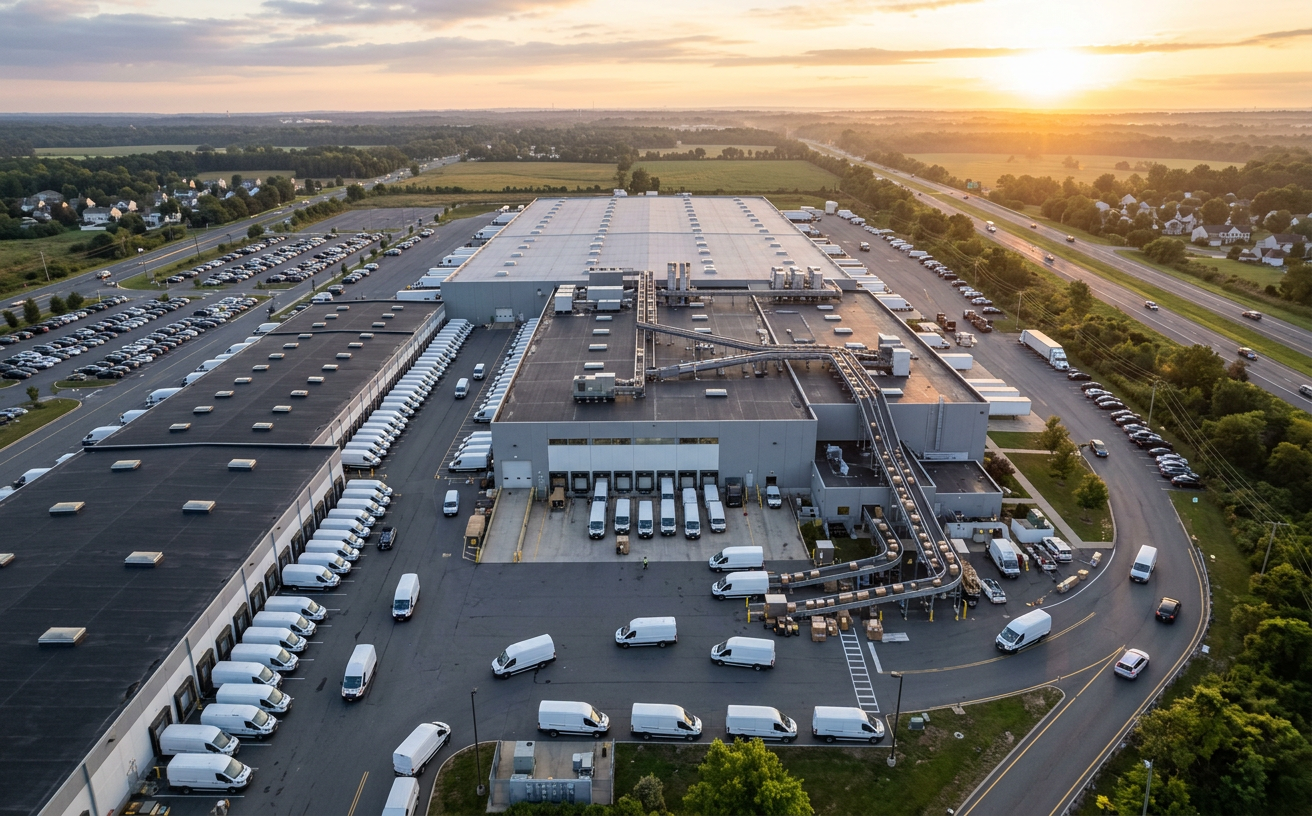
The 2026 Outlook for U.S. Ecommerce: Amazon, Walmart and Shopify Are Quietly Rewriting the Rules
Three operating systems now run American online retail. The next twelve months will decide which of them controls the next decade of the consumer wallet.
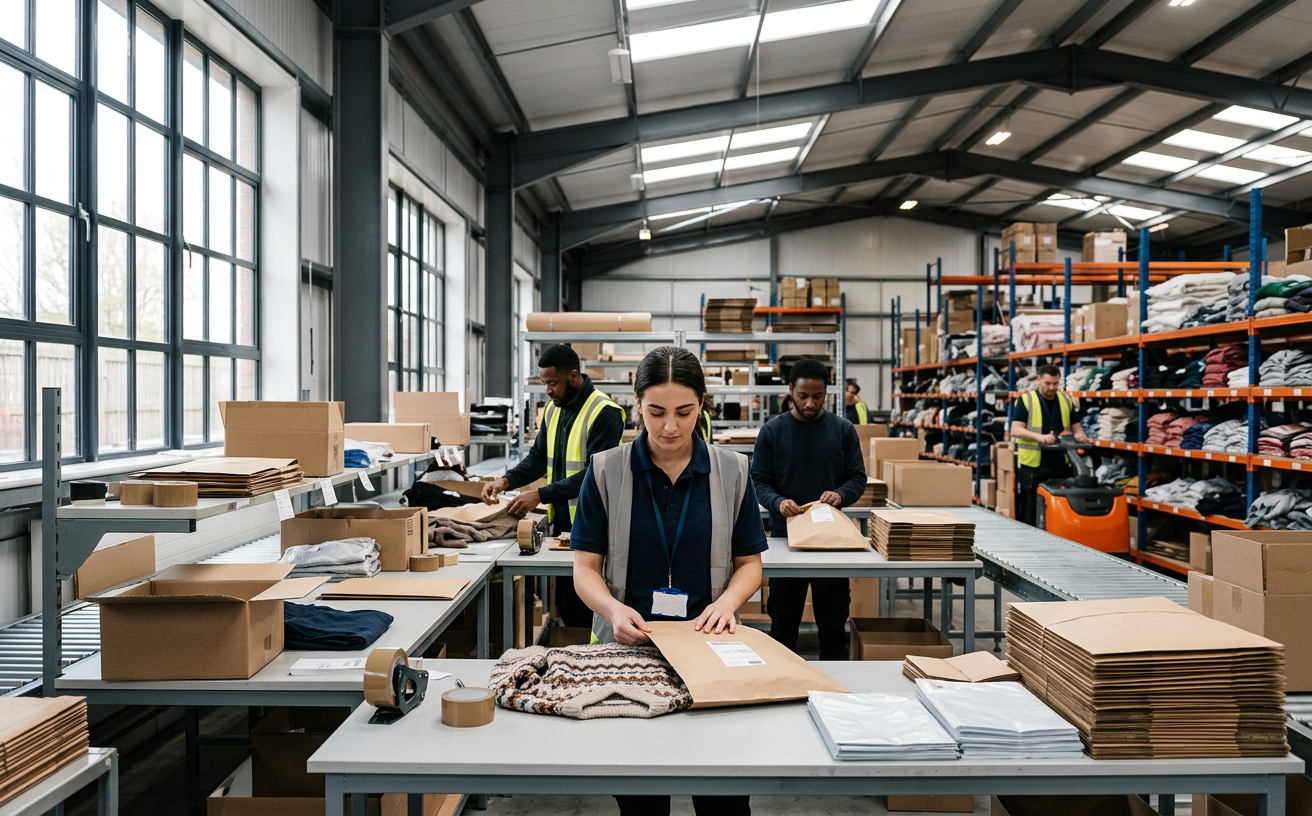
Britain's Ecommerce Rebound: How ASOS, Next and M&S Are Engineering a Profitable Comeback
After three years of margin pain, the United Kingdom's largest online retailers are growing again — but on dramatically different terms than before.
One short email. Stories you can use.
A free, occasional email from our editorial team with our latest features, explainers and reads. Unsubscribe any time — your email stays with us.