The Last Mile's Unseen Toll: UK Retailers Grapple with Delivery's Soaring Cost
While consumers have grown accustomed to swift e-commerce fulfilment, the true financial burden of last-mile delivery is intensifying, reshaping operational strategies for even the UK’s most established retailers.

A Tesco delivery van, navigating the narrow streets of Islington, represents the visible tip of an intricate and increasingly expensive logistical iceberg. Beneath the surface, the journey from distribution centre to doorstep is becoming a prime battleground for profitability in British retail, influencing everything from basket sizes at Ocado to the operational footprint of ASOS.
The pandemic-accelerated shift to online shopping has cemented consumer expectations for rapid, often free, delivery. This convenience, however, carries a significant and rising cost for retailers. Fuel price volatility, labour shortages for drivers, and the sheer complexity of optimising routes across varied urban and rural topographies are eroding margins at a persistent rate.
For businesses like Next, which has long championed its sophisticated warehousing and delivery networks, the challenge is one of scale and efficiency. Maintaining next-day or even same-day delivery promises across a sprawling customer base demands continuous investment in infrastructure and technology. Smaller players, lacking the capital for such investments, face an even steeper incline.
The Pressure on Profitability
Analyst estimates suggest that last-mile logistics now account for well over half of total shipping costs for many e-commerce operations in the UK. This translates directly into pressure on companies' bottom lines. For every parcel delivered, a complex calculation determines whether the delivery fee, if any, adequately covers the operational outlay. Often, it does not. The expectation of 'free' delivery, a powerful consumer incentive, effectively internalises a significant external cost for the retailer, sometimes absorbing multiple percentage points of a transaction's gross margin.
The market has yet to fully price in the systemic costs of ubiquitous, on-demand fulfilment.
The grocery sector provides a particularly stark illustration. Sainsbury's and Tesco have invested heavily in expanding their online delivery slots, a necessary move to retain market share but one that operates on razor-thin margins. Each additional delivery slot, while appeasing customer demand, adds complexity to warehouse picking, temperature-controlled transit, and route planning. Deliveroo and Just Eat, despite their asset-light models, face similar pressures regarding rider availability and optimal delivery zones, creating a dynamic tension with partner restaurants over service fees.
Strategic Responses and Future Prospects
Retailers are exploring a range of strategic responses. Some, like Marks & Spencer, are refining their click-and-collect options, encouraging customers to retrieve orders from local stores, thereby shifting a portion of the last-mile burden. Others are investigating consolidation of deliveries, or more sophisticated algorithmic routing to minimise fuel consumption and driver hours.
Investment in automation within distribution centres, exemplified by Ocado's highly automated warehouses, aims to drive down the cost per pick, indirectly supporting the viability of home delivery. However, the 'human touch' of the final delivery often remains the most unpredictable and expensive component. As inflation persists and consumer spending tightens, the ability of UK retailers to manage, and potentially pass on, these escalating last-mile costs will remain a critical determinant of their commercial success over the coming year.
News Legacy maintains editorial independence. Some recommendations may contain affiliate links. We earn from qualifying purchases at no additional cost to you. Read our policy.
Read Next

The Top Ecommerce Niches Quietly Winning the U.S., U.K. and European Markets in 2026
Beauty, athleisure, wellness, pet and resale are no longer trends — they are the operating cores of online retail across the West. Here is where the money is actually moving.
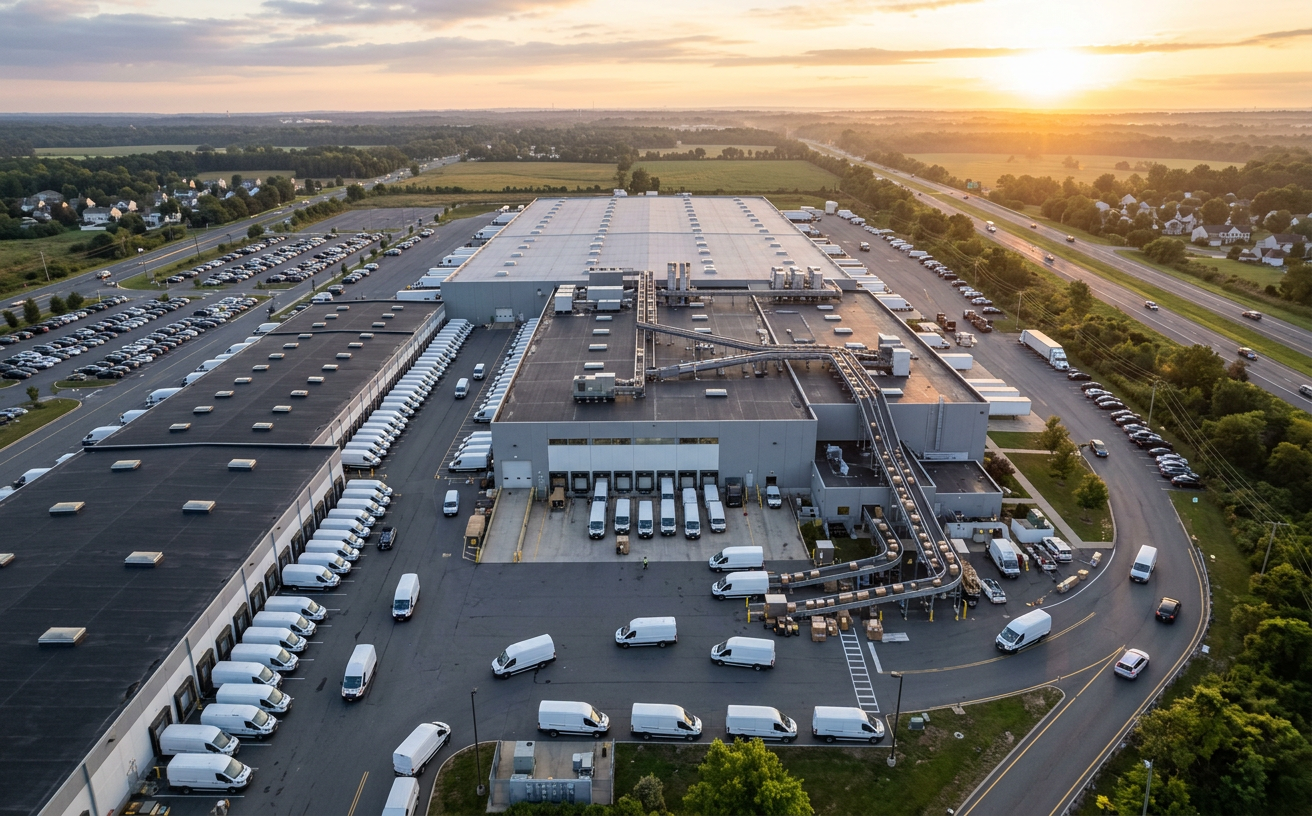
The 2026 Outlook for U.S. Ecommerce: Amazon, Walmart and Shopify Are Quietly Rewriting the Rules
Three operating systems now run American online retail. The next twelve months will decide which of them controls the next decade of the consumer wallet.
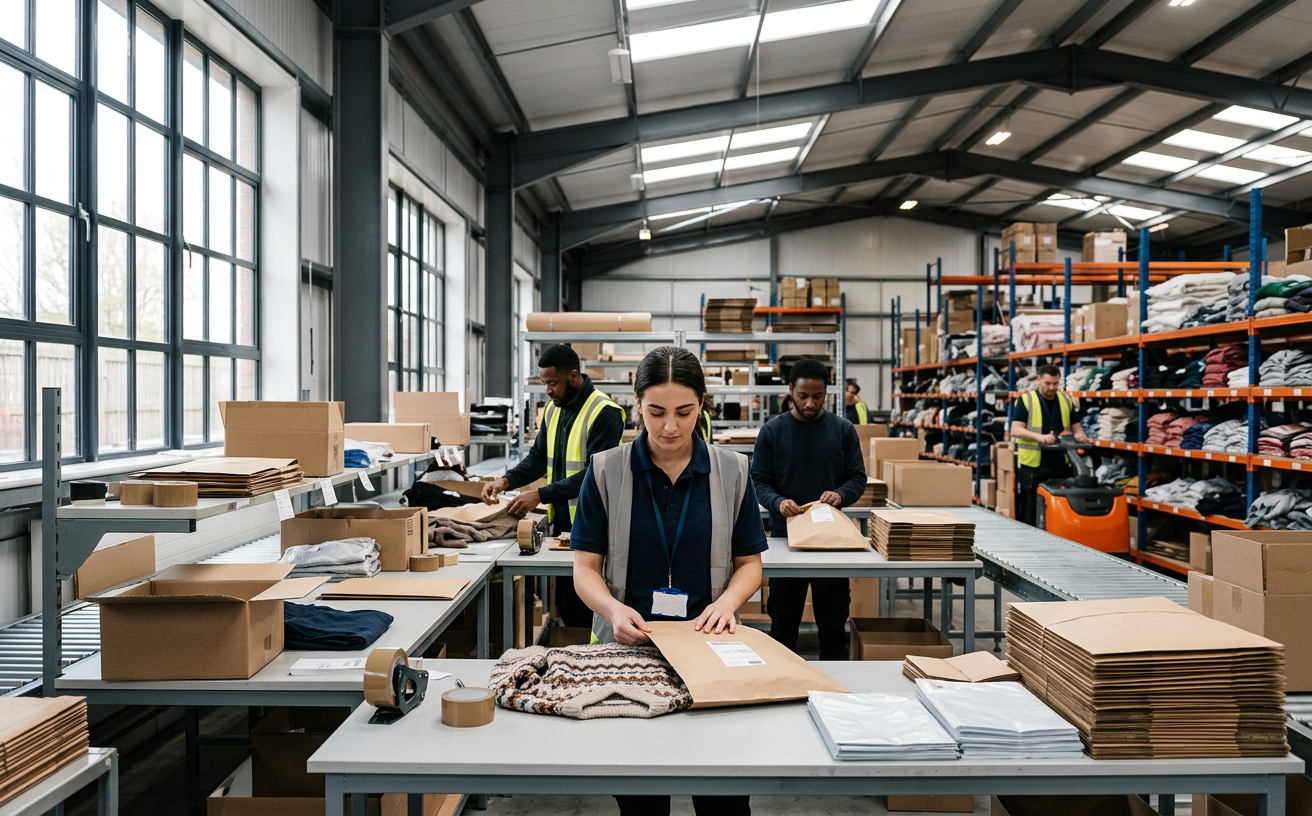
Britain's Ecommerce Rebound: How ASOS, Next and M&S Are Engineering a Profitable Comeback
After three years of margin pain, the United Kingdom's largest online retailers are growing again — but on dramatically different terms than before.
One short email. Stories you can use.
A free, occasional email from our editorial team with our latest features, explainers and reads. Unsubscribe any time — your email stays with us.