The Marketplace Paradox: How Dominance and Diversification Are Reshaping UK Retail
Britain's retail landscape is undergoing a profound transformation as established players and agile newcomers battle for consumer spend. The strategic imperative for both is clear: control the marketplace or become a mere vendor within it.

At a recent Tesco board meeting, discussions likely centred on more than just the weekly Clubcard data. The supermarket giant, which commands a significant share of the UK grocery market, is acutely aware that its physical dominance is increasingly challenged by digital aggregators and specialised online platforms. This evolving competitive dynamic, extending far beyond the grocery aisle, represents a fundamental shift in how British consumers discover, purchase, and receive goods and services.
For decades, retailers focused on merchandising and store operations. The internet first added an e-commerce channel, then introduced the concept of the marketplace. Now, the marketplace itself is becoming the primary battleground. Companies like Amazon have demonstrated the immense leverage gained by owning the customer relationship and the underlying logistics infrastructure. UK incumbents, from high street stalwarts to delivery app darlings, are now grappling with this blueprint, either by building their own marketplace ecosystems or by integrating more deeply into existing ones.
The Walled Gardens of Retail
Consider the shift from a simple online store to a comprehensive marketplace. ASOS, once a purveyor of fast fashion, now hosts numerous third-party brands, effectively becoming an apparel marketplace. Next has similarly expanded its online offering beyond its own brand, featuring hundreds of external labels. These moves are not merely about increasing product assortment; they are strategic plays to capture a larger share of the customer's wallet and, crucially, their data. By becoming the destination, these retailers can influence purchasing decisions across a broader spectrum of goods.
The financial implications are substantial. Marketplaces can operate on lower inventory risk and higher margins by taking a commission on sales, rather than buying and reselling stock. This model provides greater resilience in volatile economic conditions, a pertinent consideration given the fluctuating fortunes of the high street.
Another facet of this trend is observed in the grocery sector. Ocado, with its distinct technological advantage in automated warehousing, powers the online operations of several international grocers, indirectly extending its marketplace influence. Closer to home, the rapid ascent of delivery platforms such as Deliveroo and Just Eat has transformed local food retail, effectively creating a marketplace for restaurants that previously lacked a sophisticated delivery infrastructure. These platforms, while popular, also levy significant commissions, prompting some larger chains, like McDonald's, to invest in their own delivery fleets to reclaim autonomy and profitability.
From Transaction to Ecosystem
The challenge for many established UK retailers now is to move beyond transactional e-commerce to cultivate a genuinely sticky ecosystem. Marks & Spencer, for instance, has strategically integrated third-party brands into its online fashion and home categories, aiming to diversify its appeal while retaining its core customer base. The partnership with Ocado for grocery delivery further illustrates this dual approach: a branded offering within a specialised logistics marketplace.
This drive towards marketplace dominance is not without its risks. Building and maintaining a robust platform requires significant investment in technology, logistics, and customer service. Furthermore, balancing the interests of disparate third-party sellers with an overarching brand identity can be challenging. However, the alternative — becoming merely one of many suppliers within another entity's marketplace — increasingly appears to offer diminished returns and reduced strategic control.
"The digital battlefield is no longer just about who has the best product, but who controls the most effective distribution and discovery channels for that product."
The UK consumer, accustomed to choice and convenience, stands to benefit from this expansion of offerings. However, the concentration of purchasing power within a handful of dominant platforms also raises questions regarding competition, data privacy, and the long-term viability of smaller, independent retailers. The coming years will reveal which strategies – control or collaboration – ultimately dictate the future of British retail.
News Legacy maintains editorial independence. Some recommendations may contain affiliate links. We earn from qualifying purchases at no additional cost to you. Read our policy.
Read Next

The Top Ecommerce Niches Quietly Winning the U.S., U.K. and European Markets in 2026
Beauty, athleisure, wellness, pet and resale are no longer trends — they are the operating cores of online retail across the West. Here is where the money is actually moving.
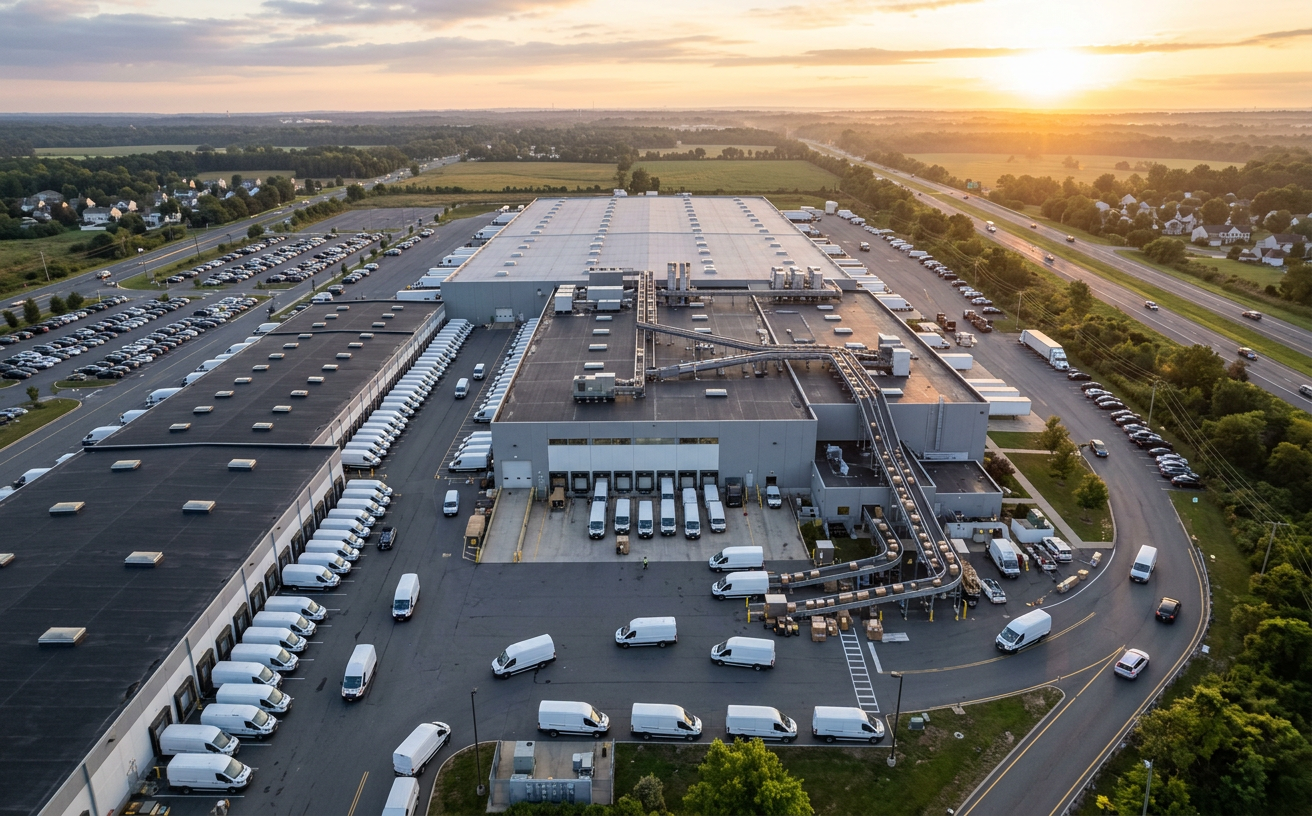
The 2026 Outlook for U.S. Ecommerce: Amazon, Walmart and Shopify Are Quietly Rewriting the Rules
Three operating systems now run American online retail. The next twelve months will decide which of them controls the next decade of the consumer wallet.
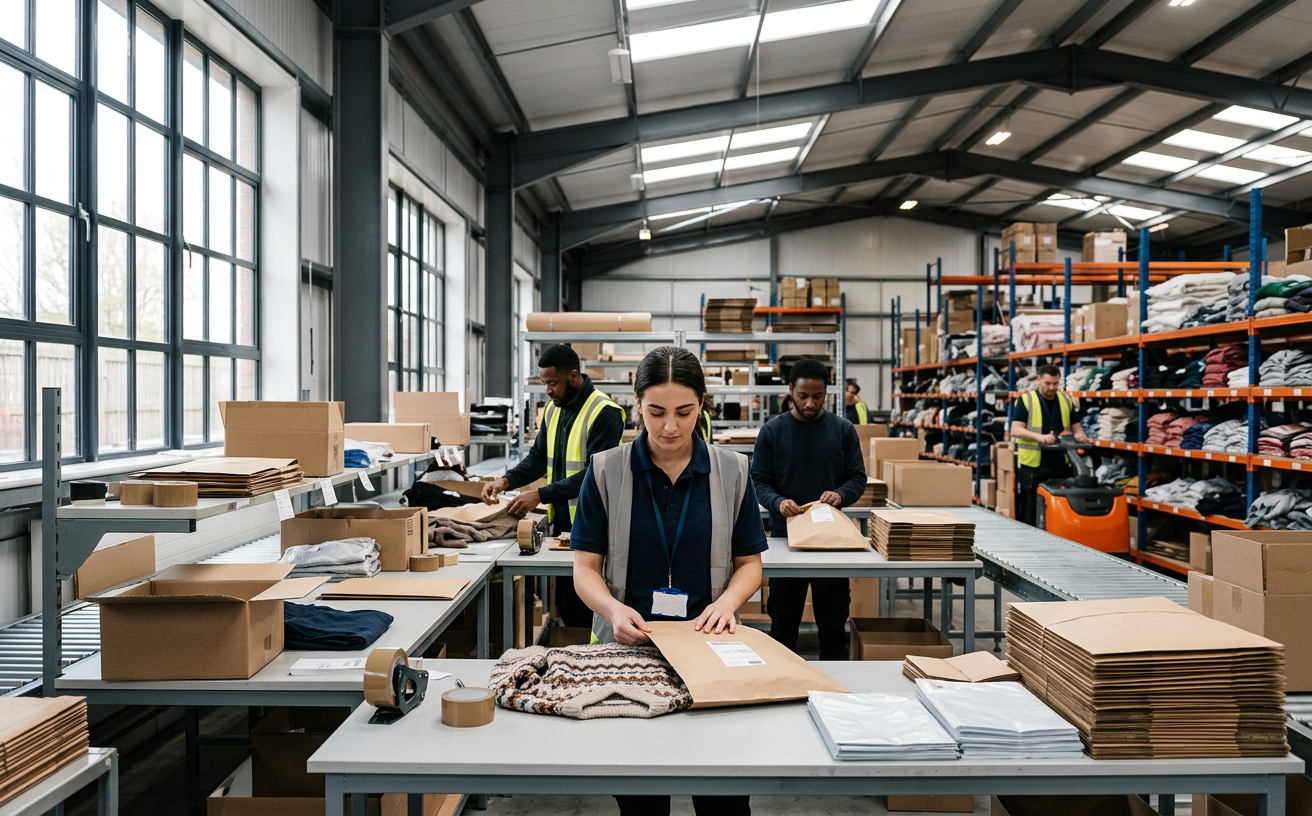
Britain's Ecommerce Rebound: How ASOS, Next and M&S Are Engineering a Profitable Comeback
After three years of margin pain, the United Kingdom's largest online retailers are growing again — but on dramatically different terms than before.
One short email. Stories you can use.
A free, occasional email from our editorial team with our latest features, explainers and reads. Unsubscribe any time — your email stays with us.