The Persistence of Bricks: Online Retail's Uneven Conquest of UK Consumer Habits
Despite a decade of digital transformation forecasts, UK consumers continue to demonstrate a profound attachment to physical retail, defying predictions of an exclusively online future for many sectors.

A recent stroll through London's Oxford Street reveals a landscape undeniably changed by the pandemic's acceleration of e-commerce, yet resolutely physical. Department stores like Selfridges and Marks & Spencer still draw substantial footfall, their window displays curated to entice shoppers in an experience that digital channels cannot fully replicate. This enduring appeal of physical interaction in a market often cited for its advanced digital adoption signals a more nuanced evolution than simple displacement.
While online penetration has surged in categories such as fashion and electronics, the underlying patterns of consumer behaviour demonstrate an enduring heterogeneity. The notion that British shoppers would universally abandon high streets and retail parks for endless scrolling has proven overly simplistic. A significant segment values the tangible aspects of shopping: the ability to touch, try on, or inspect goods before purchase, coupled with the social dimension of a shopping trip.
The Lingering Gravitas of Groceries
Nowhere is this more evident than in the grocery sector. Despite sustained investment from players like Ocado, Tesco, and Sainsbury's in their online delivery capabilities, the vast majority of food shopping in the UK still occurs in brick-and-mortar stores. Online grocery's share, while elevated post-pandemic, has stabilised rather than continued its upward trajectory, settling into a pattern that suggests convenience rather than complete substitution.
Online grocery's current penetration holds at roughly 10-14% of the total market, a figure that, while substantial in absolute terms, remains a minority share. Challenges such as the economics of last-mile delivery, particularly for smaller basket sizes, and the consumer preference for selecting fresh produce personally, contribute to this plateau. This indicates a ceiling, not an absence, for digital interaction in this essential category.
Fashion, by contrast, has seen a more dramatic shift. Retailers like ASOS and Next have long cultivated robust online presences, and the closure of physical stores by some high-street behemoths underscore shifting preferences. Yet even here, hybrid models, such as click-and-collect services offered by stores like Marks & Spencer, demonstrate the strategic value of integrating physical touchpoints with digital convenience. The return rates for online fashion, a consistent challenge for profitability, also subtly redirect consumers back to in-store purchases where fitting rooms mitigate uncertainty.
Digital's Differentiated Impact
The complete disintermediation of physical retail by digital platforms remains a theoretical construct for many sectors, proving more impactful in areas driven by pure transactional efficiency than experiential consumption.
The growth of rapid delivery services like Deliveroo and Just Eat for restaurant takeaway represents a different facet of online adoption. Here, the emphasis is on speed and convenience for an immediate need, rather than the browsing and discovery intrinsic to general retail. These platforms have reshaped the food service landscape, yet restaurant dining itself, an experience-driven activity, continues to thrive, illustrating the specificity of digital disruption.
The trajectory of UK retail suggests a future characterised by hybridisation, not wholesale replacement. Physical stores are evolving, becoming showrooms, fulfilment centres, or experiential hubs rather than mere transactional points. Online channels, in turn, are refining their capabilities, offering more personalised experiences and efficient logistics. The enduring British high street, though transformed, is unlikely to disappear entirely, reflecting a consumer base that values choice across both digital and physical realms.
News Legacy maintains editorial independence. Some recommendations may contain affiliate links. We earn from qualifying purchases at no additional cost to you. Read our policy.
Read Next

The Top Ecommerce Niches Quietly Winning the U.S., U.K. and European Markets in 2026
Beauty, athleisure, wellness, pet and resale are no longer trends — they are the operating cores of online retail across the West. Here is where the money is actually moving.
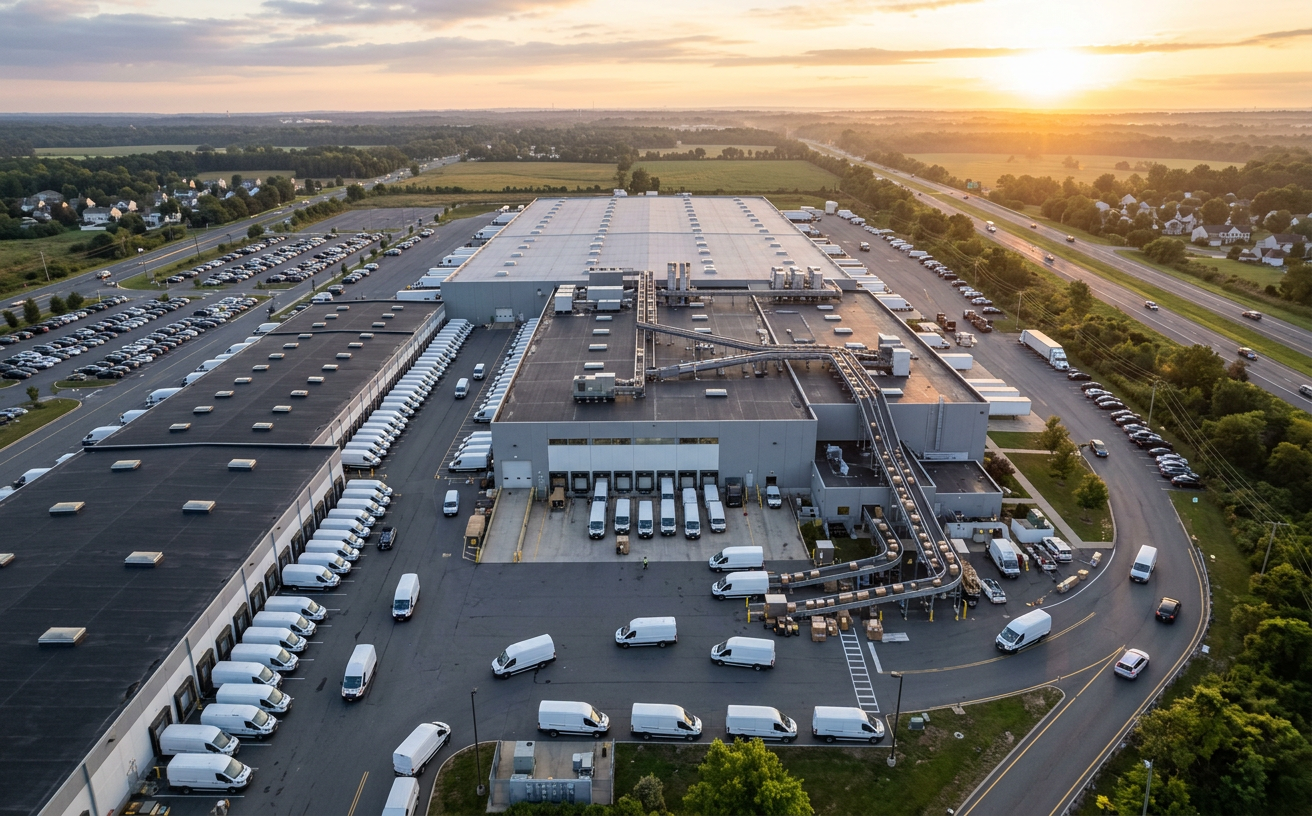
The 2026 Outlook for U.S. Ecommerce: Amazon, Walmart and Shopify Are Quietly Rewriting the Rules
Three operating systems now run American online retail. The next twelve months will decide which of them controls the next decade of the consumer wallet.
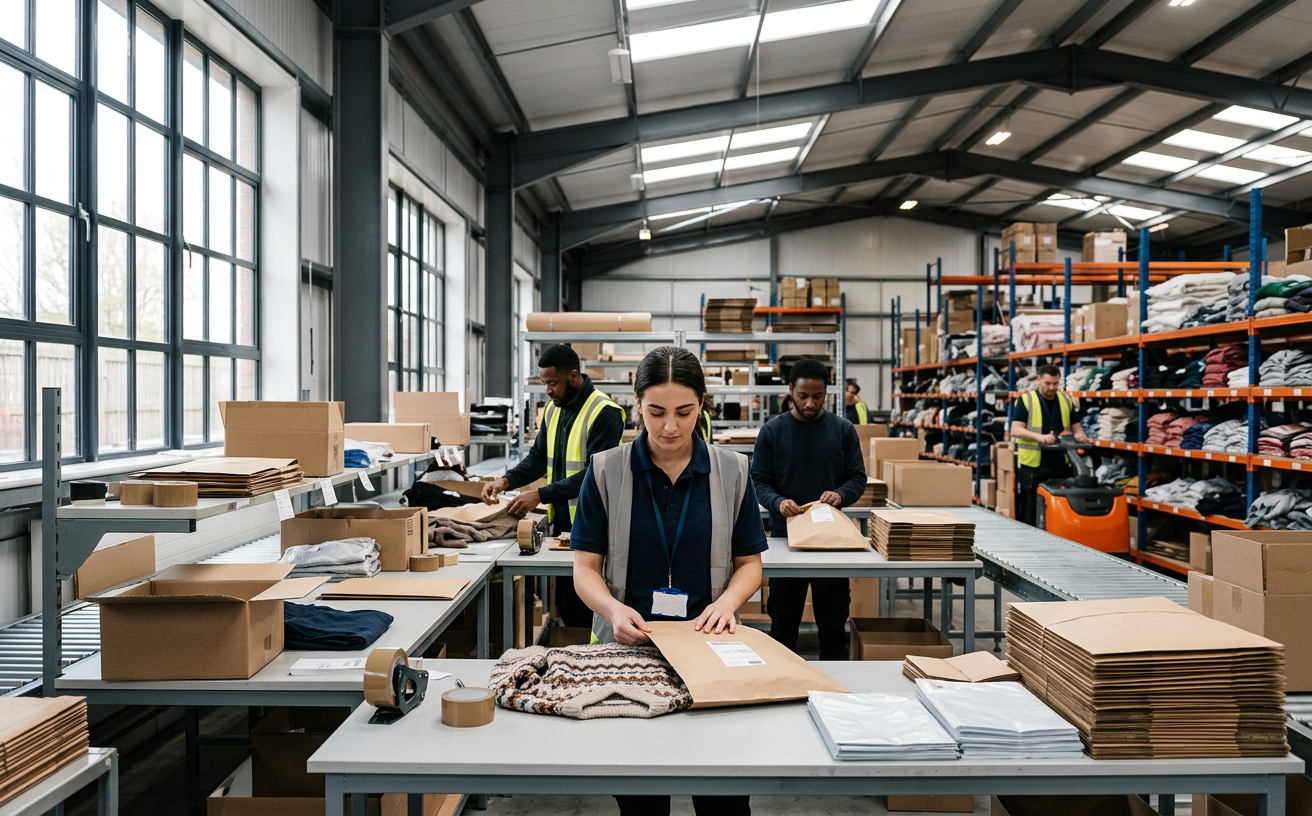
Britain's Ecommerce Rebound: How ASOS, Next and M&S Are Engineering a Profitable Comeback
After three years of margin pain, the United Kingdom's largest online retailers are growing again — but on dramatically different terms than before.
One short email. Stories you can use.
A free, occasional email from our editorial team with our latest features, explainers and reads. Unsubscribe any time — your email stays with us.