The Scramble for Europe's Digital Shelf Space
Across Europe, a fragmented but rapidly converging e-commerce landscape is forcing retailers and marketplaces to redefine their strategies, as local champions contend with global giants and a new wave of specialised platforms.

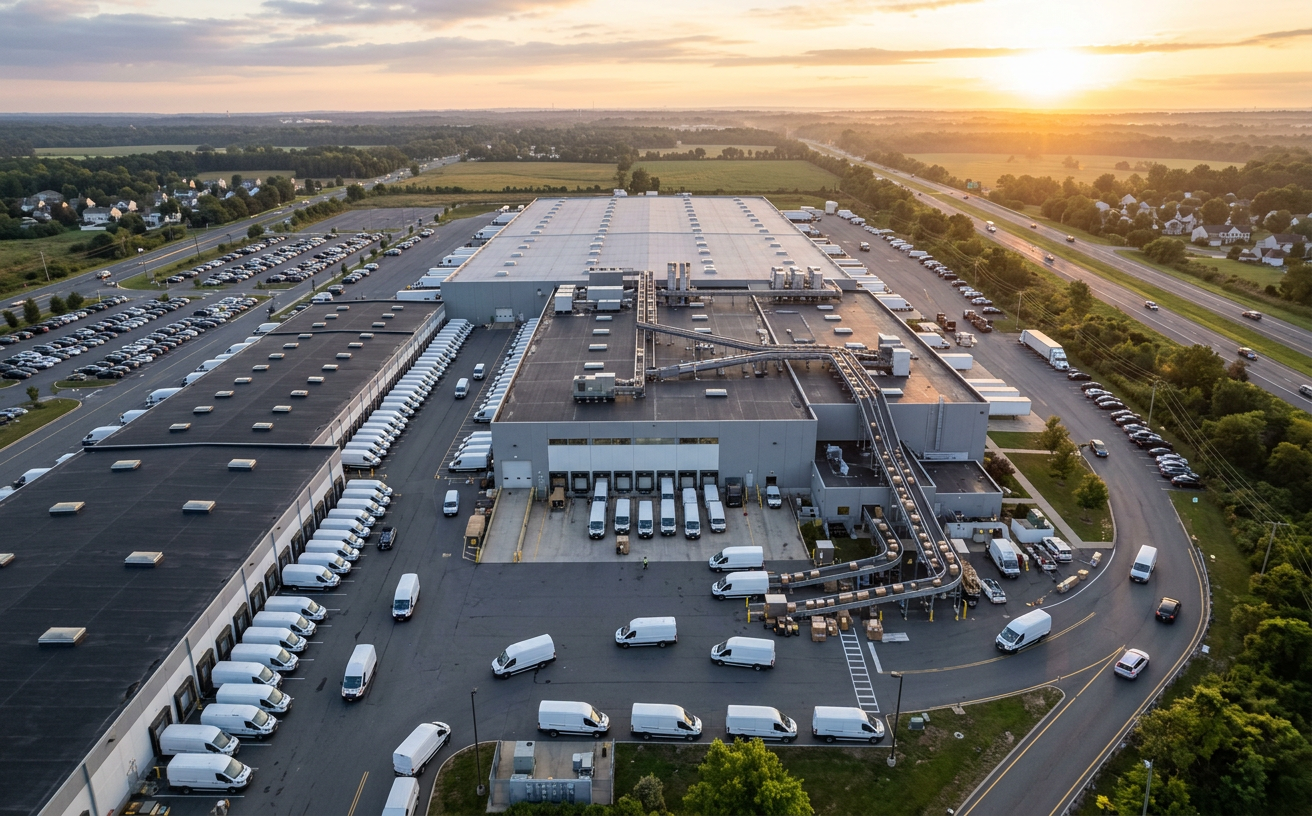
From the bustling logistics hubs outside Poznań, where Allegro processes millions of parcels daily, to the automated dark stores that once propelled Gorillas and Flink into the public consciousness, the European retail technology sector is a crucible of innovation and intense competition. This dynamic environment reflects shifting consumer habits and the strategic imperative for businesses, both established and nascent, to secure their digital footprint in a market prized for its diversity and spending power.
The continent's e-commerce market, valued at hundreds of billions of euros annually, presents a unique challenge. Unlike the more homogeneous landscapes of North America or China, Europe comprises distinct national markets with differing regulatory frameworks, language barriers, and consumer preferences. This fragmentation has traditionally fostered the rise of local or regional champions, such as Bol.com in the Benelux region, Cdiscount in France, or Zalando with its strong fashion foothold across multiple geographies.
However, the past five years have witnessed increasing cross-border activity, driven by improved logistics networks and a new generation of digital-native consumers. Companies like Vinted, the Lithuanian-born second-hand fashion platform, have demonstrated that a strong value proposition can transcend national borders, building a user base stretching from Spain to Germany and beyond. Their success underlines a growing willingness among European consumers to purchase from retailers headquartered in other EU member states.
The Platform Paradox
The rise of marketplace models has amplified this cross-border dynamic. Retailers are increasingly faced with a dilemma: build out a proprietary e-commerce ecosystem, or leverage the vast reach of established platforms? While Carrefour and REWE are investing heavily in their own digital transformations, including improved click-and-collect services and direct-to-consumer delivery, many smaller and medium-sized enterprises find the cost and complexity of independent online operations prohibitive. They frequently turn to marketplaces to access broader customer bases, albeit at the cost of relinquishing some control over pricing and customer data. Lidl's strategic dabbling in online grocery, often through third-party logistics, illustrates this cautious approach within the hyper-competitive grocery sector.
The strategic alignment between a retailer's brand identity and its chosen digital distribution channels is becoming a core differentiator in a crowded market.
The pursuit of scale is evident in the investment rounds ploughed into quick commerce (q-commerce) platforms. Although some early players like Gorillas encountered significant operational hurdles and ultimately exited certain markets or were absorbed, the underlying principle of ultra-fast delivery for a select range of goods continues to attract capital and innovation. Flink's continued presence in key German and Dutch cities suggests that while the initial hype may have receded, a viable model for hyper-localised, on-demand retail remains elusive but compelling.
Data, AI, and the Next Frontier
Beyond the front-end consumer interface, the battle for digital dominance is fought on the battlefields of data analytics and artificial intelligence. Retailers are deploying AI to optimise supply chains, personalise recommendations, and predict demand with greater accuracy. Companies that can effectively harness their vast datasets to understand intricate European consumer behaviour patterns will gain a significant competitive edge. This involves not only understanding what customers buy, but also how they prefer to pay — considering the prevalence of national payment systems like Carte Bancaire in France or Sofort in Germany — and their privacy expectations under GDPR.
The integration of physical and digital channels, known as omnichannel retail, remains a strategic imperative. The ability for consumers to seamlessly transition from browsing online to collecting in-store, or to return an e-commerce purchase at a physical location, is no longer a premium service but an expectation. European consumers, particularly in countries with strong cultural ties to physical shopping, demand this confluence of convenience and tangible interaction. The retailers who master this blend, while navigating the complexities of a diverse continent, are best positioned for sustained growth in the evolving digital marketplace.
News Legacy maintains editorial independence. Some recommendations may contain affiliate links. We earn from qualifying purchases at no additional cost to you. Read our policy.
Read Next

The Top Ecommerce Niches Quietly Winning the U.S., U.K. and European Markets in 2026
Beauty, athleisure, wellness, pet and resale are no longer trends — they are the operating cores of online retail across the West. Here is where the money is actually moving.
The 2026 Outlook for U.S. Ecommerce: Amazon, Walmart and Shopify Are Quietly Rewriting the Rules
Three operating systems now run American online retail. The next twelve months will decide which of them controls the next decade of the consumer wallet.
Britain's Ecommerce Rebound: How ASOS, Next and M&S Are Engineering a Profitable Comeback
After three years of margin pain, the United Kingdom's largest online retailers are growing again — but on dramatically different terms than before.
One short email. Stories you can use.
A free, occasional email from our editorial team with our latest features, explainers and reads. Unsubscribe any time — your email stays with us.