The Scramble for Europe's Digital Shopper: Consolidation and Contention in E-Commerce
Across Europe, the digital retail landscape is evolving at a breakneck pace, driven by shifting consumer habits, technological innovation, and an imperative for scale. The battle for market share intensifies as established giants and agile newcomers vie for supremacy.

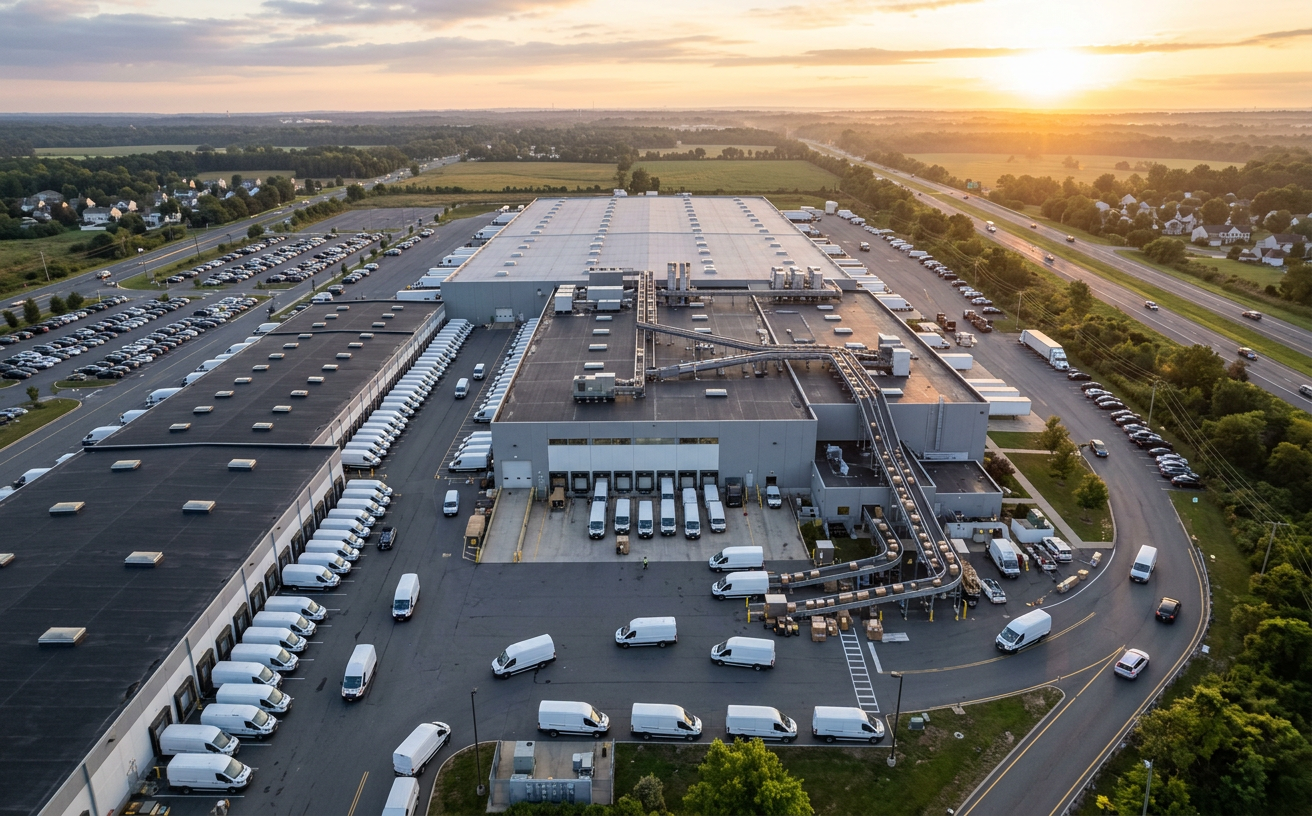
From the bustling logistics hubs of Zalando near Berlin to the rapid expansion of Poland's Allegro into Czechia and Slovakia, the European e-commerce sector presents a dynamic but challenging picture. Traditional retail structures, once formidable bulwarks, are giving way to digital-first strategies, compelling even venerable institutions like Carrefour and REWE to invest heavily in their online platforms. The underlying narrative is one of accelerating consolidation and fierce competition, where the promise of a unified European digital market encounters the reality of diverse national preferences and regulatory frameworks.
The pandemic-induced acceleration of online shopping has solidified digital channels as non-negotiable for retailers. Companies that once viewed e-commerce as a supplementary channel now see it as central to their long-term viability. This shift has not been uniformly smooth. While countries like Germany and the Nordics boast high digital penetration, market development in southern Europe, particularly Italy and Spain, has historically lagged, offering significant growth potential but also unique logistical and cultural hurdles.
The Platform Power Play
The dominant e-commerce platforms continue to exert considerable influence. Amazon, of course, casts a long shadow, but European players have carved out significant niches. Zalando remains a powerhouse in fashion, leveraging its extensive logistics network and curated brand partnerships. Bol.com, a subsidiary of Ahold Delhaize, commands a strong position in the Benelux region, while Cdiscount holds its own in France. These platforms benefit from network effects, offering vast product selections and integrated delivery services that are difficult for smaller players to replicate.
The fragmentation of Europe's logistics and payment infrastructure adds complexity, but also presents opportunities for those who can connect the dots efficiently.
Cross-border commerce within the EU is a significant battleground. Retailers are increasingly looking beyond their national borders to tap into larger consumer bases. Allegro's expansion eastward exemplifies this trend, as does the growing presence of platforms like Vinted, which has successfully scaled its second-hand fashion marketplace across multiple European territories, capitalising on both economic and sustainability-driven consumer behaviour. However, navigating varying consumer protection laws, tax regimes, and language barriers remains a substantial undertaking, even within the theoretically harmonised single market.
Quick Commerce's Reckoning
The quick commerce phenomenon, which saw a surge of investment and activity during the pandemic, has entered a phase of recalibration. While initially promising, the unsustainable unit economics and intense competition led to the collapse or significant scaling back of many players, including the well-documented struggles of Gorillas and Flink. The remaining entities are now focusing on more sustainable business models, often integrating with larger grocery retailers like Lidl to leverage existing supply chains and physical store networks. The proposition of ultra-fast delivery still resonates with consumers, particularly in dense urban environments, but only when priced and delivered efficiently.
The strategic imperative for European retailers is clear: invest in robust digital infrastructure, understand the nuances of cross-border consumer behaviour, and build sustainable, scalable business models. The coming years will likely see further consolidation as companies seek efficiencies of scale and expand their geographic reach. Those that fail to adapt risk being relegated to niche positions or absorbed by larger, more agile competitors. The digital shopper is increasingly discerning, demanding not just choice and convenience, but also value and a seamless experience, challenging companies to deliver on all fronts in an ever-more competitive landscape.
News Legacy maintains editorial independence. Some recommendations may contain affiliate links. We earn from qualifying purchases at no additional cost to you. Read our policy.
Read Next

The Top Ecommerce Niches Quietly Winning the U.S., U.K. and European Markets in 2026
Beauty, athleisure, wellness, pet and resale are no longer trends — they are the operating cores of online retail across the West. Here is where the money is actually moving.
The 2026 Outlook for U.S. Ecommerce: Amazon, Walmart and Shopify Are Quietly Rewriting the Rules
Three operating systems now run American online retail. The next twelve months will decide which of them controls the next decade of the consumer wallet.
Britain's Ecommerce Rebound: How ASOS, Next and M&S Are Engineering a Profitable Comeback
After three years of margin pain, the United Kingdom's largest online retailers are growing again — but on dramatically different terms than before.
One short email. Stories you can use.
A free, occasional email from our editorial team with our latest features, explainers and reads. Unsubscribe any time — your email stays with us.