The Shifting Sands of European E-commerce: Beyond the National Champion
Europe's digital retail landscape, once fragmented by national borders and distinct regulatory frameworks, is rapidly evolving as consumers embrace cross-border options and domestic players scale up or rethink their strategies.

From its sprawling logistics hubs in Germany, Zalando continues to cement its position, moving beyond a mere fashion retailer to a lifestyle platform connecting brands with an increasingly discerning European consumer base. This trajectory, however, is not unique to Western Europe, as players like Poland's Allegro demonstrate robust growth and strategic expansion, signaling a broader transformation of how digital commerce operates across the continent.
The European Union's single market, while facilitating free movement of goods and services, has historically seen digital retail evolve along national lines, often underpinned by language barriers and differing payment preferences. Giants like Bol.com in the Netherlands or Cdiscount in France have carved out significant domestic market share through deep understanding of local nuances. Yet, the past five years have marked a period of accelerated convergence, driven by sophisticated logistics and a pan-European approach to customer acquisition.
Cross-Border Currents and Consolidation
Consumers frequently now look beyond their national borders for competitive pricing or product availability, particularly within categories such as electronics and fashion. This trend directly benefits platforms capable of managing complex cross-border logistics and diverse payment systems. While local champions still hold sway in certain niches—Carrefour and REWE’s strong push into online grocery illustrate this—the general direction of travel points towards greater cross-border competition.
The impact of this shift is multifaceted. Smaller domestic e-commerce players face intensified pressure to innovate or risk being outmanoeuvred by larger, more agile entities with greater economies of scale. Venture capital interest in hyper-local delivery services, exemplified by the funding rounds for entities like Gorillas and Flink (before their respective strategic adjustments), underscored a belief in proximity as a competitive differentiator, though profitability proved a persistent challenge.
The resilience of local identity against the forces of globalised digital commerce remains a key tension in the European market.
Simultaneously, the second-hand market has witnessed remarkable growth, with platforms like Vinted, headquartered in Lithuania, achieving significant penetration across multiple European countries. This demonstrates a consumer preference not just for convenience, but also for value and sustainability, areas where digital channels offer unmatched aggregation and reach compared to traditional retail.
The Logistics and Last-Mile Imperative
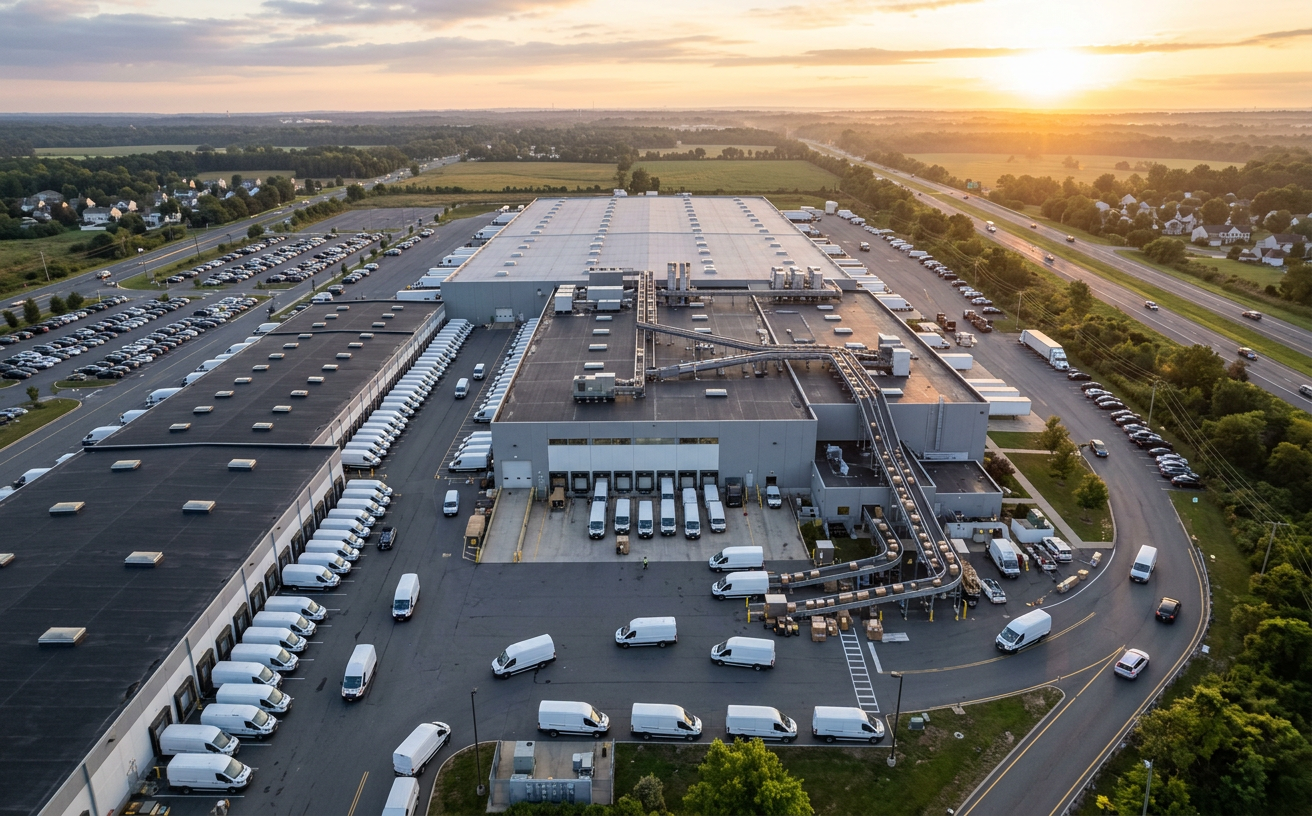
Investment in efficient logistics infrastructure is paramount. Companies are increasingly leveraging advanced automation in warehouses situated strategically to serve multiple national markets. The 'last mile' delivery, while expensive, remains a critical battleground. Supermarket chains like Lidl, for instance, are experimenting with various delivery models to protect their market share in grocery, understanding that consumer expectations, once set by swift deliveries from pure-play online retailers, have recalibrated significantly.
The regulatory environment, including evolving digital services acts and data privacy mandates like GDPR, also plays a crucial role in shaping market dynamics. Compliance costs can disproportionately impact smaller players, yet they also create a more level playing field for consumer trust across the bloc. Navigating this intricate web while scaling operations across diverse cultural and regulatory landscapes is the fundamental challenge for any enterprise aspiring to lead European digital commerce in the coming decade. The €900 billion European e-commerce market, projected to grow by double digits annually, offers ample opportunity but demands strategic agility and a deep appreciation for its inherent complexities.
News Legacy maintains editorial independence. Some recommendations may contain affiliate links. We earn from qualifying purchases at no additional cost to you. Read our policy.
Read Next

The Top Ecommerce Niches Quietly Winning the U.S., U.K. and European Markets in 2026
Beauty, athleisure, wellness, pet and resale are no longer trends — they are the operating cores of online retail across the West. Here is where the money is actually moving.
The 2026 Outlook for U.S. Ecommerce: Amazon, Walmart and Shopify Are Quietly Rewriting the Rules
Three operating systems now run American online retail. The next twelve months will decide which of them controls the next decade of the consumer wallet.

Britain's Ecommerce Rebound: How ASOS, Next and M&S Are Engineering a Profitable Comeback
After three years of margin pain, the United Kingdom's largest online retailers are growing again — but on dramatically different terms than before.
One short email. Stories you can use.
A free, occasional email from our editorial team with our latest features, explainers and reads. Unsubscribe any time — your email stays with us.