The Silent Revolution: How Automation is Reshaping UK Retail Employment
Across Britain's retail giants, a quiet but profound shift is underway as automation supplants traditional roles, necessitating a strategic re-evaluation of workforce development and consumer interaction.

A typical Tuesday morning inside a Tesco Extra can feel reassuringly familiar: trolleys rattling, shelf-stackers methodically arranging goods, checkout operators scanning purchases. Yet, beneath this surface, the dynamics of retail employment are experiencing fundamental change, driven by an accelerating adoption of advanced automation. The implications for the sector and its millions of employees are substantial, demanding immediate attention from policymakers and business leaders alike.
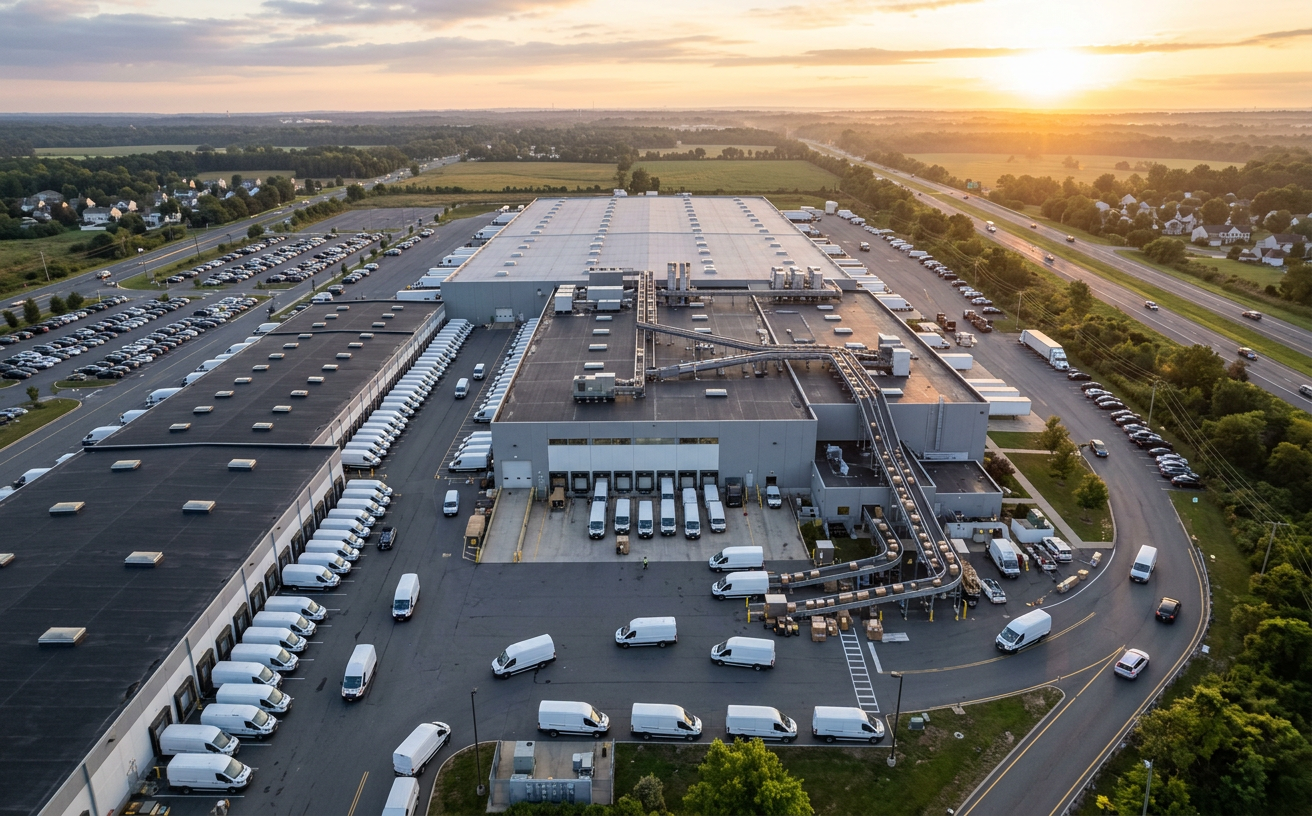
The trajectory is clear, particularly in logistics and fulfilment. Companies like Ocado, for instance, have pioneered highly automated warehousing systems where robots orchestrate the movement of millions of items daily, reducing labour inputs by a significant margin. While often presented as efficiency gains, this also translates into fewer human hands required for tasks once central to the supply chain.
This phenomenon is not confined to Ocado's highly specialised operations; it permeates conventional retail. Marks & Spencer has invested heavily in optimising its distribution networks, integrating systems that minimise manual handling. Similarly, the rapid expansion of rapid grocery delivery services, exemplified by Deliveroo and Just Eat's partnerships with convenience stores, creates new labour demand in nascent areas, but simultaneously pressures the traditional store model where human interaction drove transactions.
The Evolving Store Floor
On the shop floor itself, self-service technologies continue their pervasive spread. Sainsbury's and Tesco have incrementally expanded self-checkout banks, and even introduced scan-as-you-shop apps that virtually eliminate the cashier function for many customers. While initially framed as a convenience, the long-term effect is a measurable reduction in transactional employee hours, shifting human roles towards customer assistance, inventory management, or more specialised service counters.
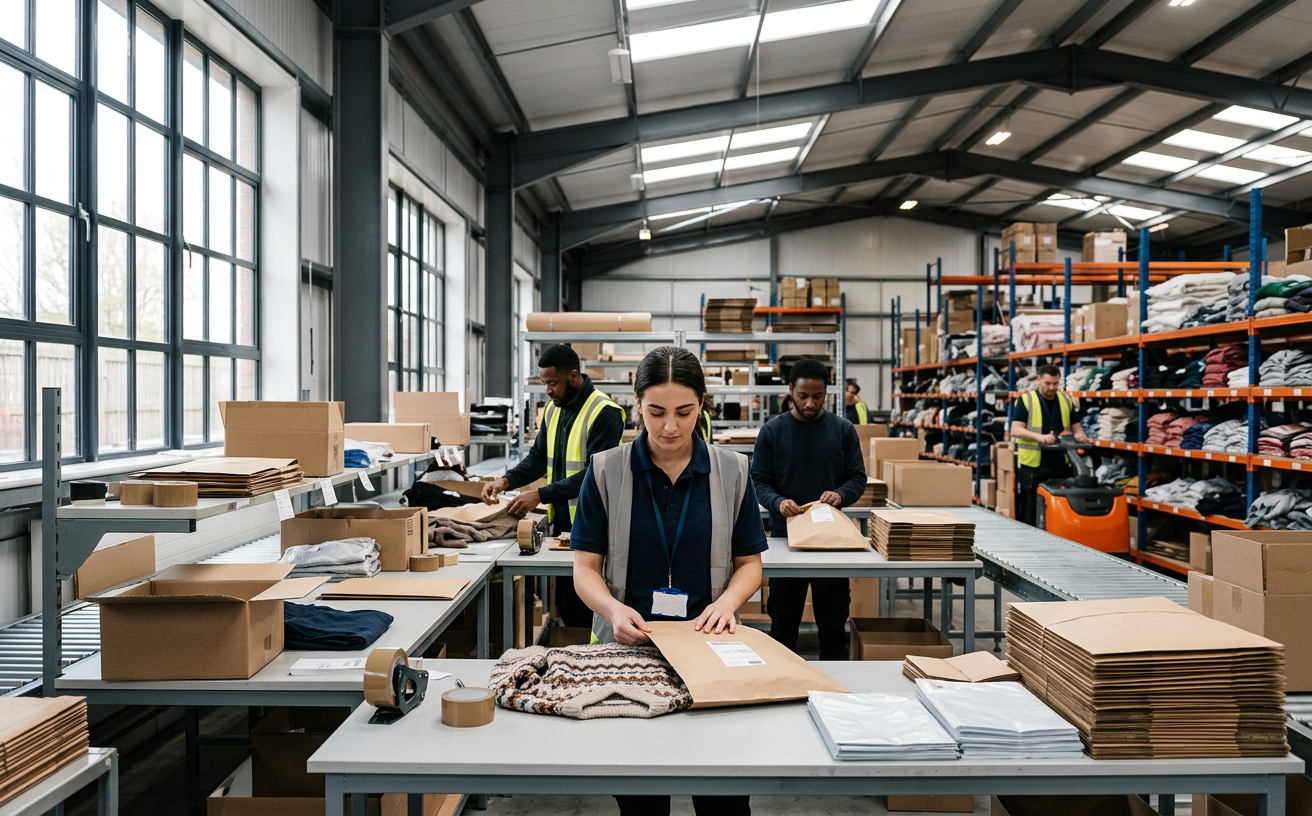
The e-commerce segment, already a significant employer, is also adopting automation at pace. While online fashion retailers like ASOS and Next still rely on vast human teams for picking, packing, and dispatch, the introduction of robotic sorters and AI-driven inventory optimisation is gradually streamlining these processes. This trajectory suggests a future workforce that is leaner and more technically adept.
The strategic imperative for UK retailers is no longer merely cost reduction; it is about redefining value proposition through a blend of technological efficiency and uniquely human interaction.
The economic implications are multifaceted. For employees, this shift necessitates upskilling and reskilling. Roles that demand repetitive physical labour or basic data entry are increasingly vulnerable. The focus is moving towards roles requiring problem-solving, technical maintenance of sophisticated machinery, or enhanced customer service experiences that technology cannot yet replicate. This requires significant investment in training and development from both industry and government.
While the immediate impact on overall retail employment figures might appear stable due to concurrent growth in e-commerce and new delivery services, the *composition* of that employment is undeniably changing. The retail sector, a traditional entry point for many into the workforce, is evolving into one demanding different capabilities, making access potentially more challenging for those without relevant skills or training. Addressing this disparity will be crucial for maintaining social equity.
Ultimately, the silent revolution of automation in UK retail is not a question of 'if' but 'how' it will continue to reshape the sector. Proactive strategies for workforce transition, coupled with innovative approaches to customer engagement in increasingly automated environments, will determine the long-term health and relevance of Britain's retail landscape.
News Legacy maintains editorial independence. Some recommendations may contain affiliate links. We earn from qualifying purchases at no additional cost to you. Read our policy.
Read Next

The Top Ecommerce Niches Quietly Winning the U.S., U.K. and European Markets in 2026
Beauty, athleisure, wellness, pet and resale are no longer trends — they are the operating cores of online retail across the West. Here is where the money is actually moving.
The 2026 Outlook for U.S. Ecommerce: Amazon, Walmart and Shopify Are Quietly Rewriting the Rules
Three operating systems now run American online retail. The next twelve months will decide which of them controls the next decade of the consumer wallet.
Britain's Ecommerce Rebound: How ASOS, Next and M&S Are Engineering a Profitable Comeback
After three years of margin pain, the United Kingdom's largest online retailers are growing again — but on dramatically different terms than before.
One short email. Stories you can use.
A free, occasional email from our editorial team with our latest features, explainers and reads. Unsubscribe any time — your email stays with us.