The Silent Revolution: How UK Retailers Are Recalibrating Automation for Profit
British retailers are quietly but fundamentally reshaping their operational models, moving beyond initial, often over-optimistic, automation drives to a more measured deployment focused on tangible efficiency gains and improved customer experiences amid persistent economic headwinds.

At Ocado's robotic warehouses in Hatfield, hundreds of automated bots navigate grids to assemble grocery orders with a precision and speed unmatched by human hands. This high-tech spectacle, once a beacon of unbridled automation ambition, now represents a more nuanced reality across the UK retail sector. Initial enthusiasm for large-scale, transformative technological adoption has matured into a pragmatic pursuit of automation that directly addresses cost pressures and enhances service without disproportionate capital expenditure.
The journey for many British retailers has been less a sprint towards full automation and more a strategic recalibration. Early ventures, particularly in logistics and fulfilment, sometimes promised revolutionary efficiency but delivered complex integration challenges and lower-than-anticipated returns. The current focus prioritises solutions that offer clear, quantifiable benefits, such as optimising inventory management, streamlining last-mile delivery, and augmenting in-store operations rather than wholesale human displacement.
From Hype to ROI: A Shift in Focus
Retailers like Tesco and Sainsbury's are increasingly investing in discrete automation solutions that tackle specific operational bottlenecks. This includes automated guided vehicles (AGVs) in distribution centres to move pallets, or sophisticated software to predict demand fluctuations more accurately. The objective is not merely to reduce headcount, but to reallocate human effort to higher-value tasks, such as personalised customer service or complex problem-solving, which still require uniquely human cognitive skills.
The financial implications of this shift are considerable. With inflation persisting and consumer spending remaining cautious, every pound invested in technology must demonstrate a clear path to profitability or competitive advantage. The focus has sharpened on technologies offering rapid payback periods and scalable deployment, avoiding the multi-year, multi-million-pound projects that often characterised earlier automation efforts.
The most successful automation initiatives in British retail today are those that empower existing workforces rather than seeking to entirely supplant them, creating a more resilient and agile operational structure.
The Subtle In-Store Transformation
In-store automation is also evolving beyond the ubiquitous self-checkout. While these terminals address efficiency at peak times, retailers are exploring less conspicuous applications. Marks & Spencer, for instance, has trialled AI-powered systems to monitor shelf availability and identify restocking needs in real-time. This reduces out-of-stock incidents, a perpetual irritant for shoppers and a direct cause of lost sales, without requiring significant additional labour.
For online pure-plays like ASOS and Next, the automation imperative centres on advanced robotics in vast fulfilment centres and sophisticated data analytics to manage returns and personalise customer journeys. The sheer volume of transactions and inventory handled by these e-commerce giants necessitates a high degree of automation to maintain competitive pricing and rapid delivery promises. The constant pressure to reduce delivery times from weeks to days, and now hours, as seen with grocery delivery platforms Deliveroo and Just Eat, is largely an automation challenge, requiring intricate logistical choreography.
Ultimately, the maturation of automation in UK retail is less about a single, sweeping technological advent and more about a continuous process of incremental refinement. The industry is demonstrating a clear understanding that technology is a tool to solve specific business problems, rather than an end in itself. This measured, strategic deployment of automation is poised to define the retail landscape for the foreseeable future, driving efficiency and enhancing the bottom line in a competitive market.
News Legacy maintains editorial independence. Some recommendations may contain affiliate links. We earn from qualifying purchases at no additional cost to you. Read our policy.
Read Next

The Top Ecommerce Niches Quietly Winning the U.S., U.K. and European Markets in 2026
Beauty, athleisure, wellness, pet and resale are no longer trends — they are the operating cores of online retail across the West. Here is where the money is actually moving.
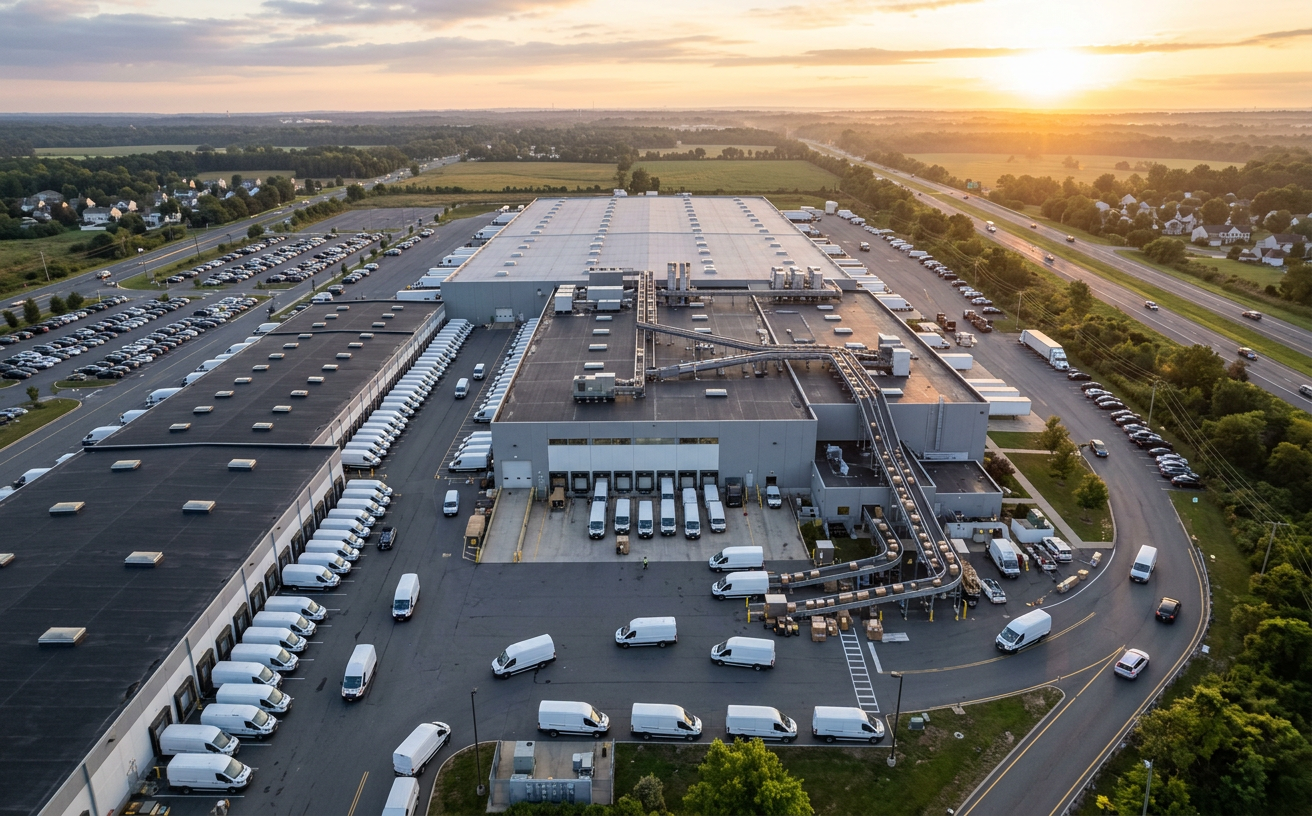
The 2026 Outlook for U.S. Ecommerce: Amazon, Walmart and Shopify Are Quietly Rewriting the Rules
Three operating systems now run American online retail. The next twelve months will decide which of them controls the next decade of the consumer wallet.
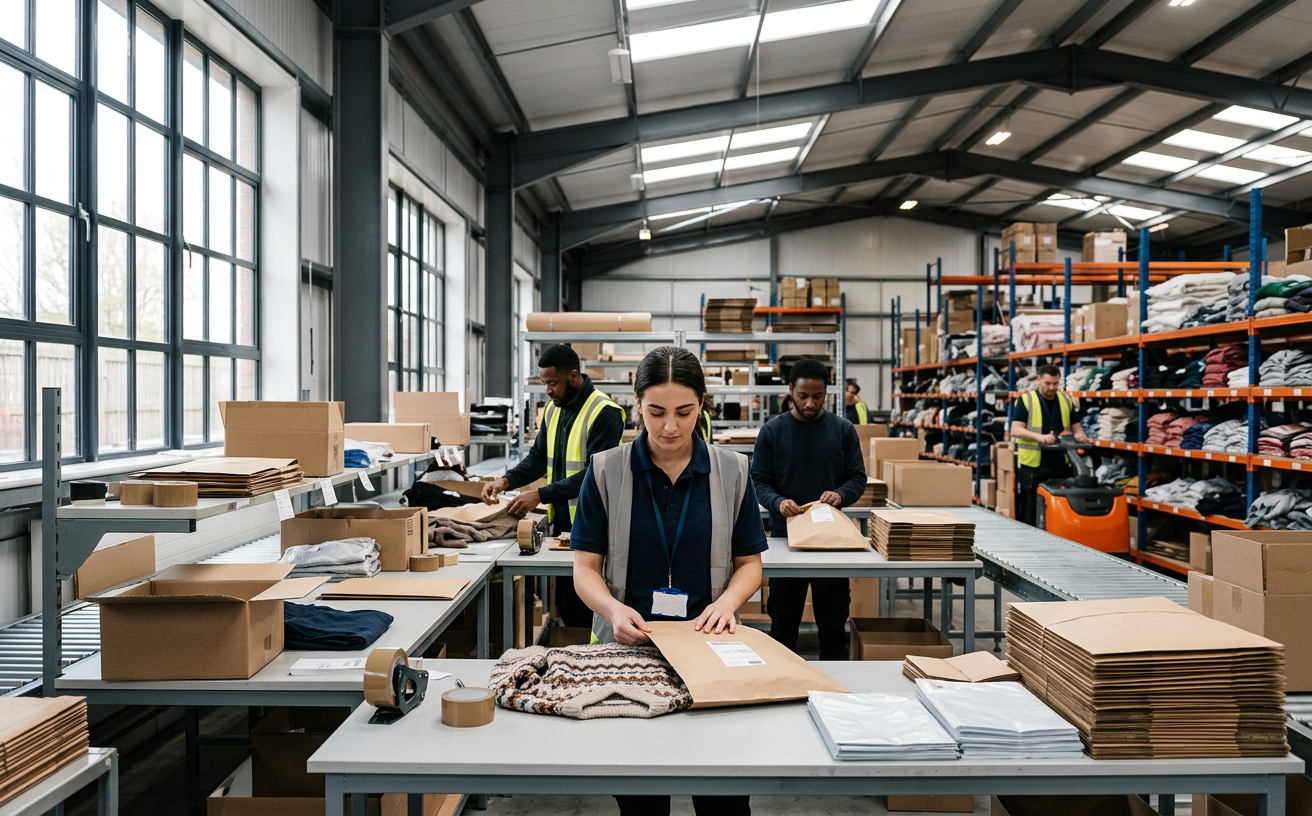
Britain's Ecommerce Rebound: How ASOS, Next and M&S Are Engineering a Profitable Comeback
After three years of margin pain, the United Kingdom's largest online retailers are growing again — but on dramatically different terms than before.
One short email. Stories you can use.
A free, occasional email from our editorial team with our latest features, explainers and reads. Unsubscribe any time — your email stays with us.