The Silent Revolution: How UK Retailers Are Recalibrating Store Investment Amidst Digital Surge
Physical retail in the UK is undergoing a profound reassessment. Faced with persistent inflation and an accelerating shift to online, major grocers and fashion brands are re-evaluating their capital expenditure strategies, seeking efficiencies that blend the digital and the tangible.

A recent visit to a newly refurbished Tesco Extra in Hertfordshire reveals a subtle but significant transformation. Gone are some of the sprawling product displays; in their place, expanded click-and-collect points and streamlined self-service bays dominate, hinting at a strategic recalibration. This local observation mirrors a broader trend across the British retail landscape: a quiet but decisive pivot towards integrating digital-first operations within the conventional brick-and-mortar footprint. The imperative is clear – to optimise for an omnichannel customer journey while simultaneously wrestling with high operating costs and an uncertain economic outlook.
For years, the narrative around physical retail was largely one of decline, particularly concerning non-food sectors. However, the current shift is more nuanced than a simple retreat. Instead, retailers are investing, albeit selectively and with a keen eye on efficiency. The challenge lies in making existing physical assets work harder, more intelligently, and in greater concert with burgeoning online channels. This involves a delicate balancing act, maintaining customer experience within stores while channelling significant investment into the logistics and technology underpinning e-commerce fulfillment.
The High Street's Digital Embrace
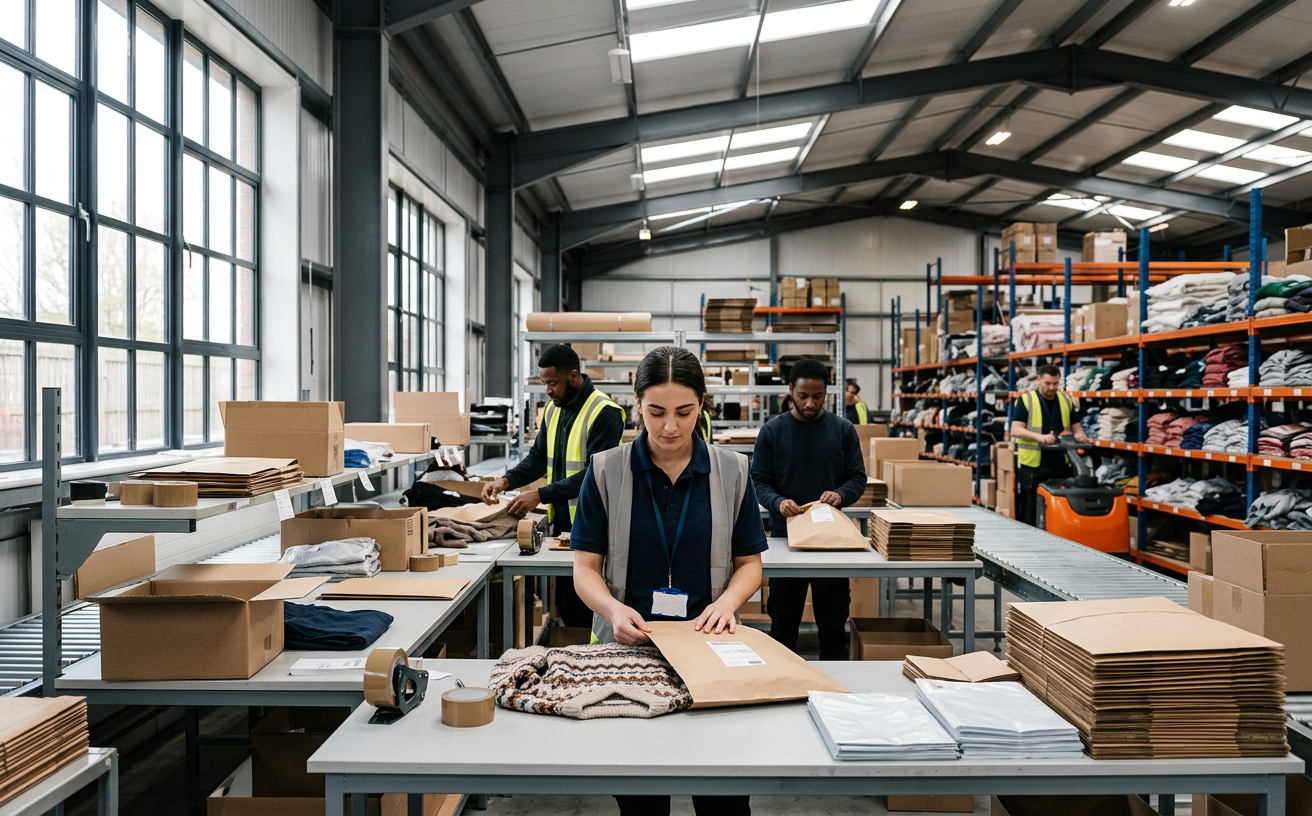
Consider the divergent paths of UK fashion stalwarts. While ASOS and Boohoo operate almost exclusively online, established players like Next and Marks & Spencer continue to navigate a hybrid model. Next, for instance, has invested significantly in its warehousing and distribution network, allowing it to offer market-leading delivery propositions. Its physical stores, while still important, now often function as showrooms, return points, and dispatch hubs. Marks & Spencer, similarly, has been rationalising its physical estate while simultaneously improving its online platform and optimising its food halls for convenience and speed, often integrating 'scan and shop' technologies.
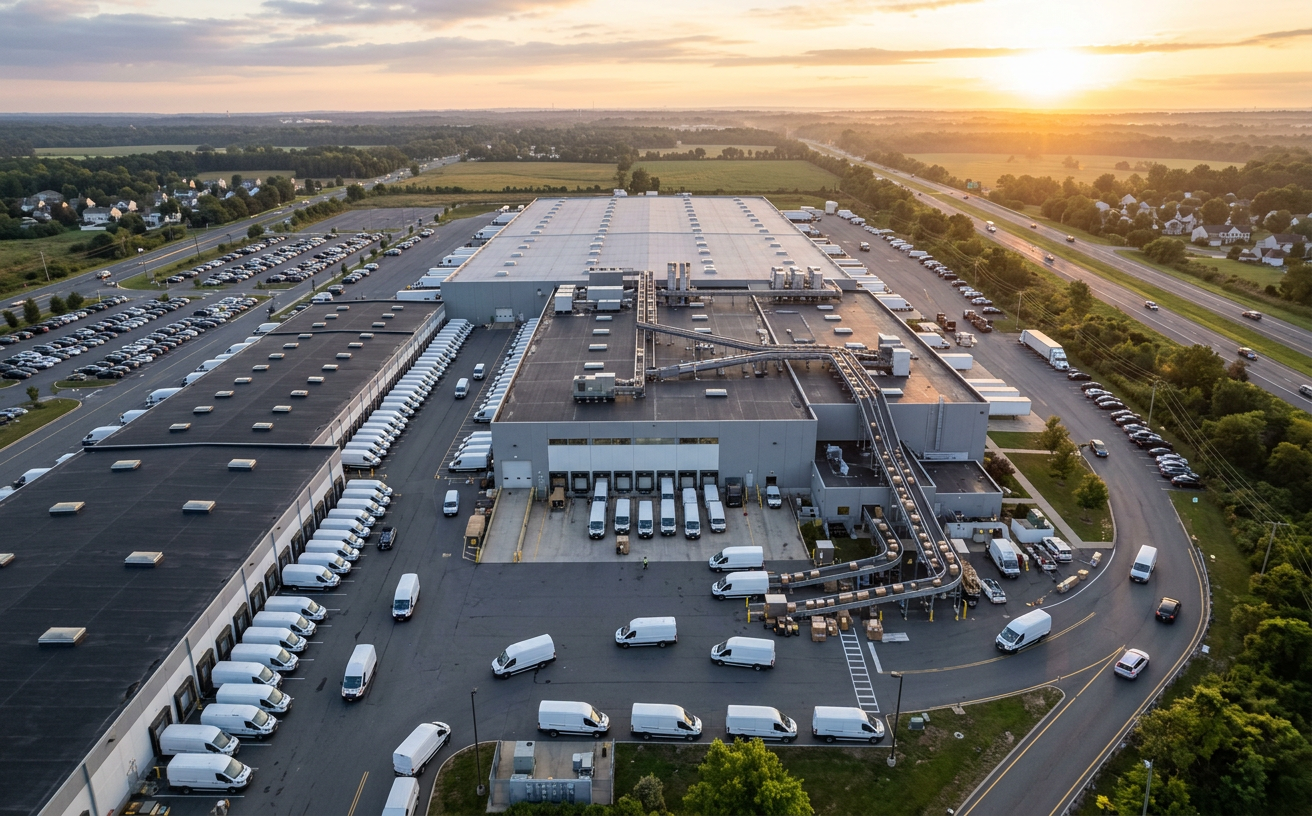
The grocery sector offers perhaps the starkest illustration of this internal shift. Supermarket giants such as Sainsbury's and Tesco are pouring capital into automating their distribution centres and enhancing their last-mile delivery capabilities. Ocado's technology, adopted by the likes of Morrisons (and previously M&S Food), exemplifies the pursuit of hyper-efficient robotic warehouse operations. The competitive pressure to deliver groceries quickly and profitably is immense, driving substantial investment away from new store openings and towards the digital backbone.
The cost implications are substantial. Labour shortages, elevated energy prices, and persistent inflation have made expanding physical footprints an increasingly difficult proposition. The average cost of opening a new large format supermarket runs into millions of pounds, a sum that many are now choosing to allocate to software development, data analytics, and automated material handling systems. This reallocation of capital expenditure is not a mere cost-cutting exercise but a strategic redirection, betting on technology to unlock long-term operational efficiency and customer engagement.
Operational Efficiency as the New Front Line
Evidence of this investment redirection is visible in the financials. While precise figures are often not disaggregated at this level, industry analysts estimate that major UK grocers have collectively increased their technology and supply chain infrastructure spending by double-digit percentages year-on-year over the past three fiscal periods, even as new store development stagnates or declines. This is a pragmatic response to consumer behaviour, where the convenience of Deliveroo and Just Eat, despite their higher costs, has set new expectations for speed and accessibility.
This recalibration is not without its challenges. Integrating disparate systems, managing cybersecurity risks, and upskilling staff for new technological roles are complex undertakings. Moreover, maintaining the 'human touch' that many consumers still value in physical retail, while simultaneously pushing for greater automation, requires careful strategic execution. The aim is to create a seamless, rather than fractured, experience for the consumer, regardless of the channel they choose.
"The shrewd retailer today isn't just optimising for the next Black Friday; they're building a resilient, data-driven ecosystem for the next decade."
The UK retail sector's investment landscape is thus transforming. The grand opening of a new superstore, once a hallmark of growth, is being supplanted by quieter, technologically driven upgrades that enhance the behind-the-scenes efficiency and fluidity of the omnichannel experience. This silent revolution, while less visible to the casual observer, is arguably more profound in its long-term implications for how Britons shop and how retailers compete.
News Legacy maintains editorial independence. Some recommendations may contain affiliate links. We earn from qualifying purchases at no additional cost to you. Read our policy.
Read Next

The Top Ecommerce Niches Quietly Winning the U.S., U.K. and European Markets in 2026
Beauty, athleisure, wellness, pet and resale are no longer trends — they are the operating cores of online retail across the West. Here is where the money is actually moving.
The 2026 Outlook for U.S. Ecommerce: Amazon, Walmart and Shopify Are Quietly Rewriting the Rules
Three operating systems now run American online retail. The next twelve months will decide which of them controls the next decade of the consumer wallet.
Britain's Ecommerce Rebound: How ASOS, Next and M&S Are Engineering a Profitable Comeback
After three years of margin pain, the United Kingdom's largest online retailers are growing again — but on dramatically different terms than before.
One short email. Stories you can use.
A free, occasional email from our editorial team with our latest features, explainers and reads. Unsubscribe any time — your email stays with us.