The UK's Marketplaces Face a Squeezed Future in a Fragmented Digital High Street
Across Britain, the digital intermediaries connecting buyers and sellers are grappling with profound shifts in consumer loyalty and operational costs. Marketplaces that once promised boundless growth now confront the realities of an austere economic climate and heightened competition.

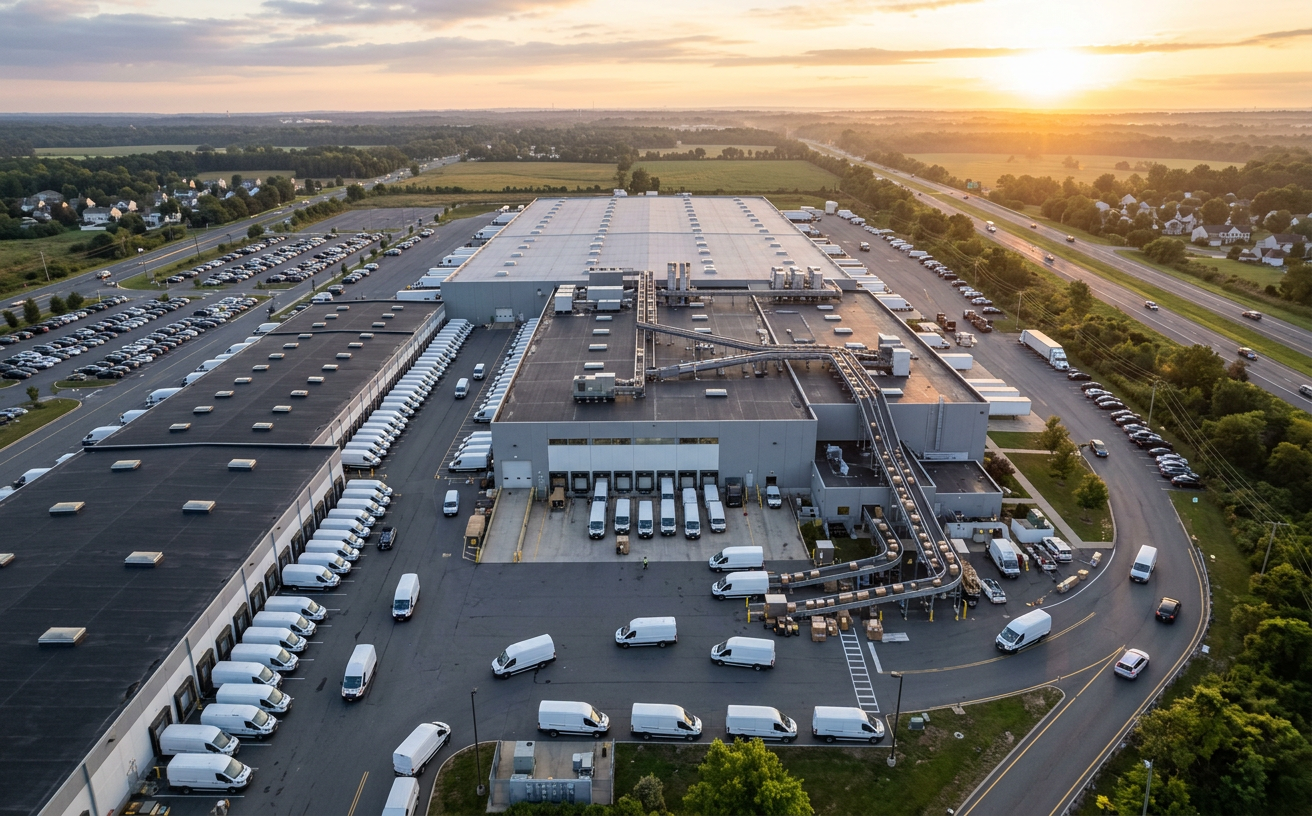
At a warehouse north of Rugby, an Ocado robot navigates aisles of groceries, fulfilling orders for a nation increasingly accustomed to doorstep convenience. This sophisticated infrastructure, replicated in various forms by companies like Deliveroo and Just Eat for prepared meals, underpins a significant shift in UK retail. Yet, the ease of transaction for the consumer masks a growing complexity and financial pressure for the marketplace operators themselves, as the landscape for digital commerce becomes increasingly crowded and less forgiving.
For years, the narrative around digital marketplaces in the UK has been one of relentless expansion. The pandemic accelerated this, embedding online ordering into daily routines for everything from a weekly Tesco shop to a new ASOS outfit. However, the subsequent cost-of-living crisis has begun to expose vulnerabilities. Consumers, facing persistent inflation and stagnant real wages, are scrutinising every pound spent, often prioritising value over loyalty to a specific platform.
Data from the Office for National Statistics indicates a moderation in online retail growth compared to its pandemic peak, suggesting a rebalancing towards physical stores even as digital penetration remains high. This creates a difficult environment for marketplaces whose business models often rely on consistent transaction volumes and seller-side fees. The competition for both sellers and buyers has intensified, leading to upward pressure on marketing spend and downward pressure on commission rates.
The Scramble for Seller and Buyer Loyalty
Major retailers like Next and Marks & Spencer have long operated multi-brand platforms, integrating third-party sellers into their own e-commerce ecosystems. This 'curated marketplace' approach offers a perceived level of quality control and brand alignment that pure-play aggregators struggle to replicate. For smaller sellers, the choice between listing on an established retail site or a broader marketplace like Amazon or eBay becomes a tactical decision based on reach, cost, and brand association.
For consumers, the proliferation of options can be overwhelming but also empowering. Application-switching between Deliveroo, Just Eat, and Uber Eats for a takeaway meal, or comparing prices across various fashion retailers, is now routine. This behaviour erodes the stickiness that marketplaces strive for, pushing them to invest more heavily in loyalty programmes, exclusive offers, and faster delivery times—all of which carry significant operational costs.
The era of effortless market share gains for digital platforms in the UK has concluded; future growth will be meticulously earned through differentiated service and tangible value.
Operational Realities and Regulatory Pressures
The operational backbone of these marketplaces—delivery networks, payment processing, customer service—is expensive to maintain and scale. Companies like Deliveroo and Just Eat face ongoing debates about worker status and pay, which could substantially alter their cost structures. Furthermore, evolving regulatory scrutiny, particularly around data privacy and competition, poses another layer of complexity. The Digital Markets Unit, for instance, signals a future where the power of large platforms may be curtailed, impacting their ability to leverage data or impose certain trading conditions.
The path forward for UK marketplaces is not one of decline, but rather refinement. Success will hinge on identifying profitable niches, effectively managing logistics, and building genuinely differentiated value propositions for both sellers and buyers. Simply aggregating supply is no longer sufficient; the market demands curated experiences, sustainable practices, and transparent pricing. The digital high street, once seen as an open frontier, is now a mature and fiercely contested battleground.
The coming years will likely separate those platforms that can adapt to a more discerning consumer and a tougher economic climate from those whose growth models were predicated on an environment that no longer exists. For British consumers, this fragmentation could lead to a more competitive and potentially more rewarding online shopping experience, even as the platforms themselves navigate a period of intense recalibration.
News Legacy maintains editorial independence. Some recommendations may contain affiliate links. We earn from qualifying purchases at no additional cost to you. Read our policy.
Read Next

The Top Ecommerce Niches Quietly Winning the U.S., U.K. and European Markets in 2026
Beauty, athleisure, wellness, pet and resale are no longer trends — they are the operating cores of online retail across the West. Here is where the money is actually moving.
The 2026 Outlook for U.S. Ecommerce: Amazon, Walmart and Shopify Are Quietly Rewriting the Rules
Three operating systems now run American online retail. The next twelve months will decide which of them controls the next decade of the consumer wallet.
Britain's Ecommerce Rebound: How ASOS, Next and M&S Are Engineering a Profitable Comeback
After three years of margin pain, the United Kingdom's largest online retailers are growing again — but on dramatically different terms than before.
One short email. Stories you can use.
A free, occasional email from our editorial team with our latest features, explainers and reads. Unsubscribe any time — your email stays with us.