The Quiet Year Quick Commerce Started Making Money
After three years of cash bonfires, the leading rapid-delivery operators in the U.S. and Europe are reporting their first sustained quarters of contribution profit.
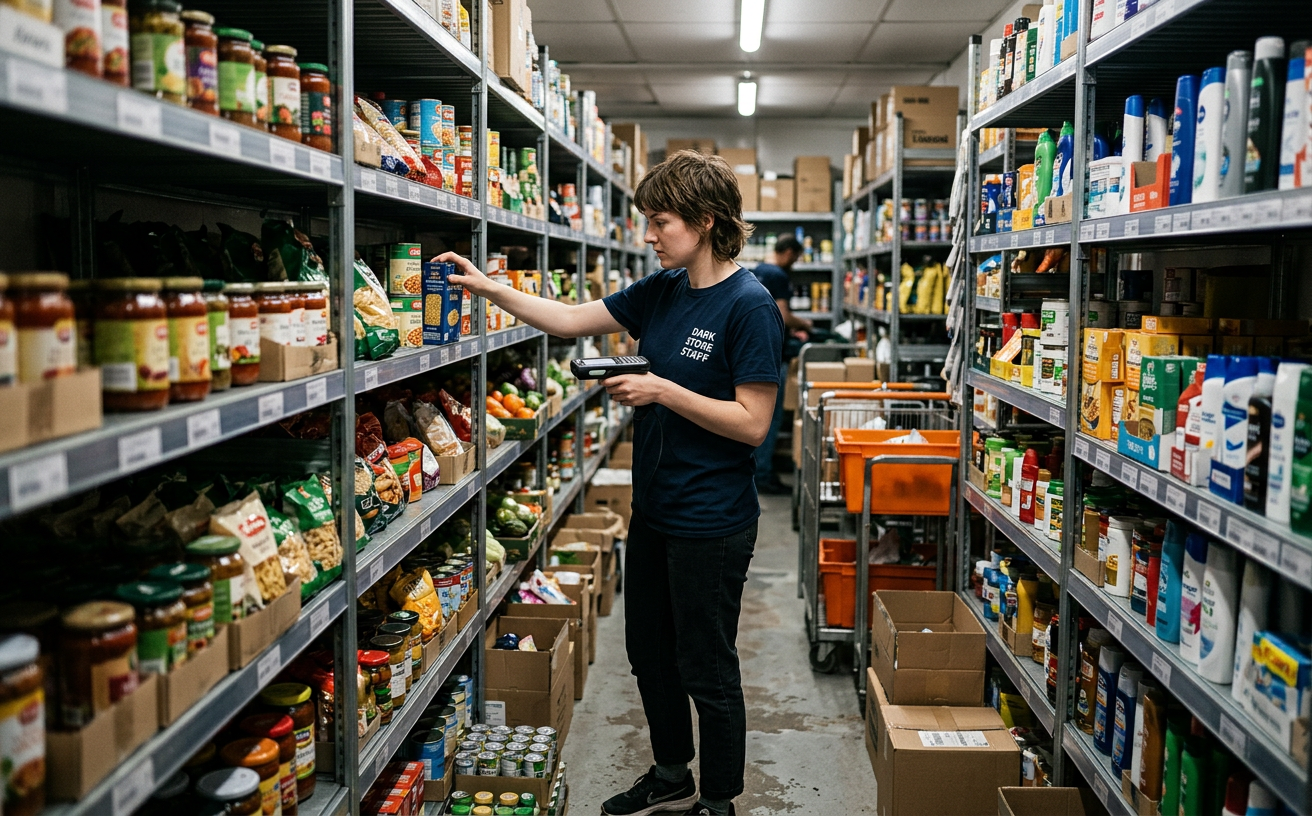
The numbers slipped out without much fanfare. In the past two reporting quarters, the largest rapid-grocery operators across the U.S. and Europe — including Instacart, DoorDash, Flink and several national players — have shown sustained contribution profit at the platform level for the first time since the category was invented. The story matters because profitability changes which operators get to write the next chapter and which become acquisition targets.
What changed Three things: bigger baskets, paid delivery on small orders, and the maturation of retail-media revenue that now subsidises the unit economics of physical fulfilment. Operators have also become ruthless about route density, closing dark stores in marginal neighborhoods and concentrating supply where order frequency justifies it.
What still doesn't True ten-minute delivery, outside of a handful of dense urban cores, remains structurally unprofitable. The consensus inside the category is that 20 to 30 minutes, with a clear AOV minimum, is the only durable model at national scale.
Quick commerce is finally a real business. It just isn't the business its 2021 pitch decks promised.
What to watch next Expect tighter consolidation, more retailer partnerships and a continued shift in narrative from speed to convenience plus selection. For operators and investors, the read-through is clear: the category survived not by getting faster but by getting more disciplined.
News Legacy maintains editorial independence. Some recommendations may contain affiliate links. We earn from qualifying purchases at no additional cost to you. Read our policy.
Read Next
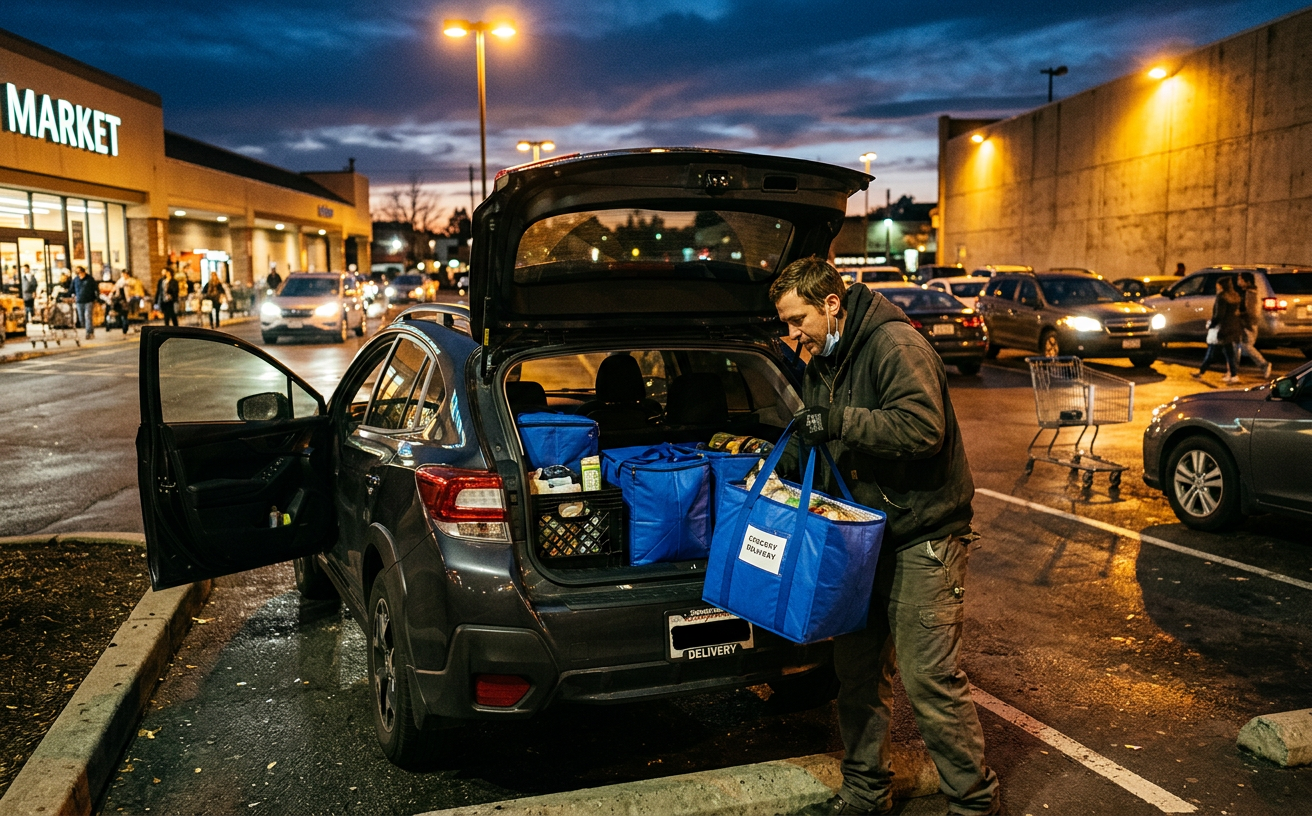
The American Grocery Arms Race: Inside Instacart, DoorDash and Uber Eats' Convergence Play
Three platforms that started in different lanes are now competing for the same customer, the same basket and the same advertising dollar.
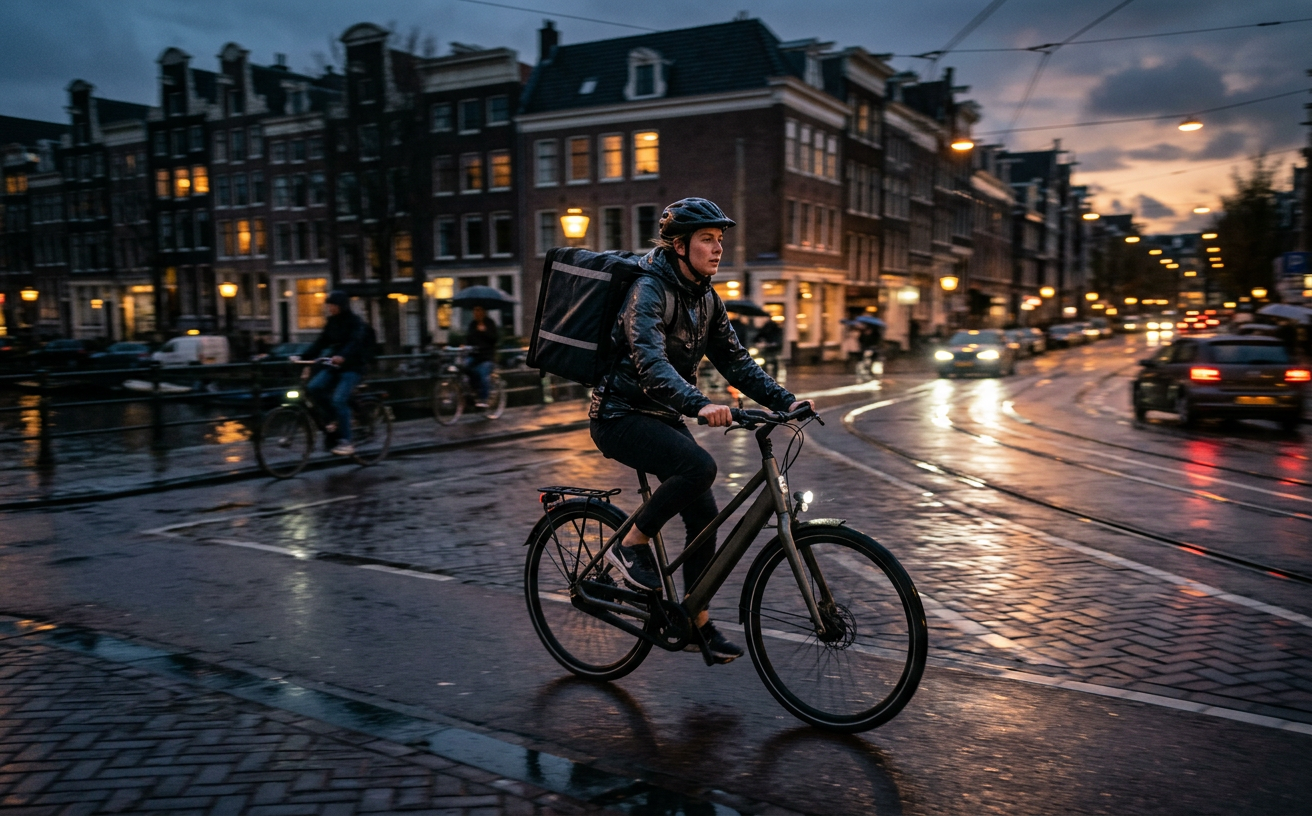
After Gorillas and Getir: What Europe's Quick Commerce Survivors Are Building
The hype cycle is over. Flink, Wolt and a quieter cohort of national operators are defining what rapid grocery in Europe actually looks like at scale.
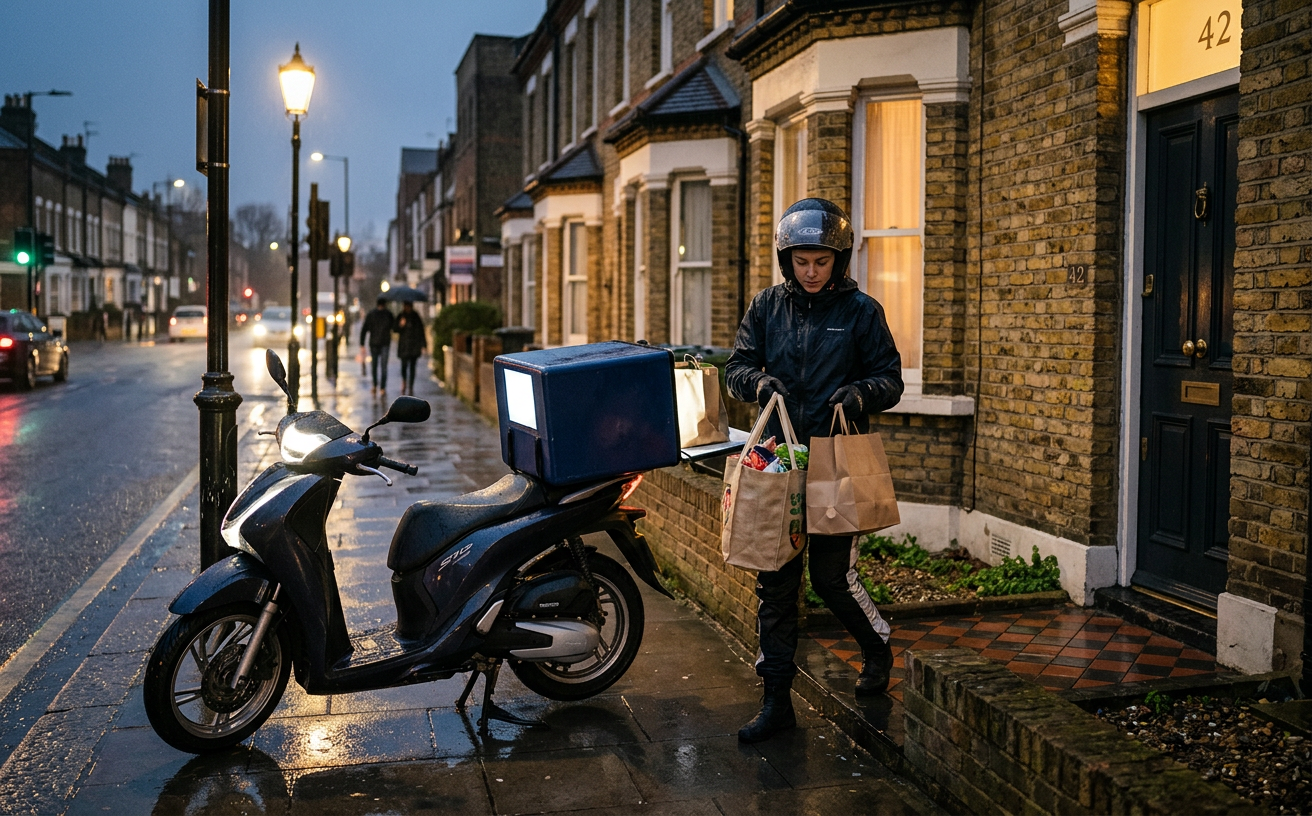
Deliveroo and Just Eat Are No Longer Restaurant Apps — They Are Last-Mile Networks
The British food-delivery platforms are quietly building grocery, retail and convenience businesses that may end up larger than the categories they were founded on.
One short email. Stories you can use.
A free, occasional email from our editorial team with our latest features, explainers and reads. Unsubscribe any time — your email stays with us.