After Gorillas and Getir: What Europe's Quick Commerce Survivors Are Building
The hype cycle is over. Flink, Wolt and a quieter cohort of national operators are defining what rapid grocery in Europe actually looks like at scale.
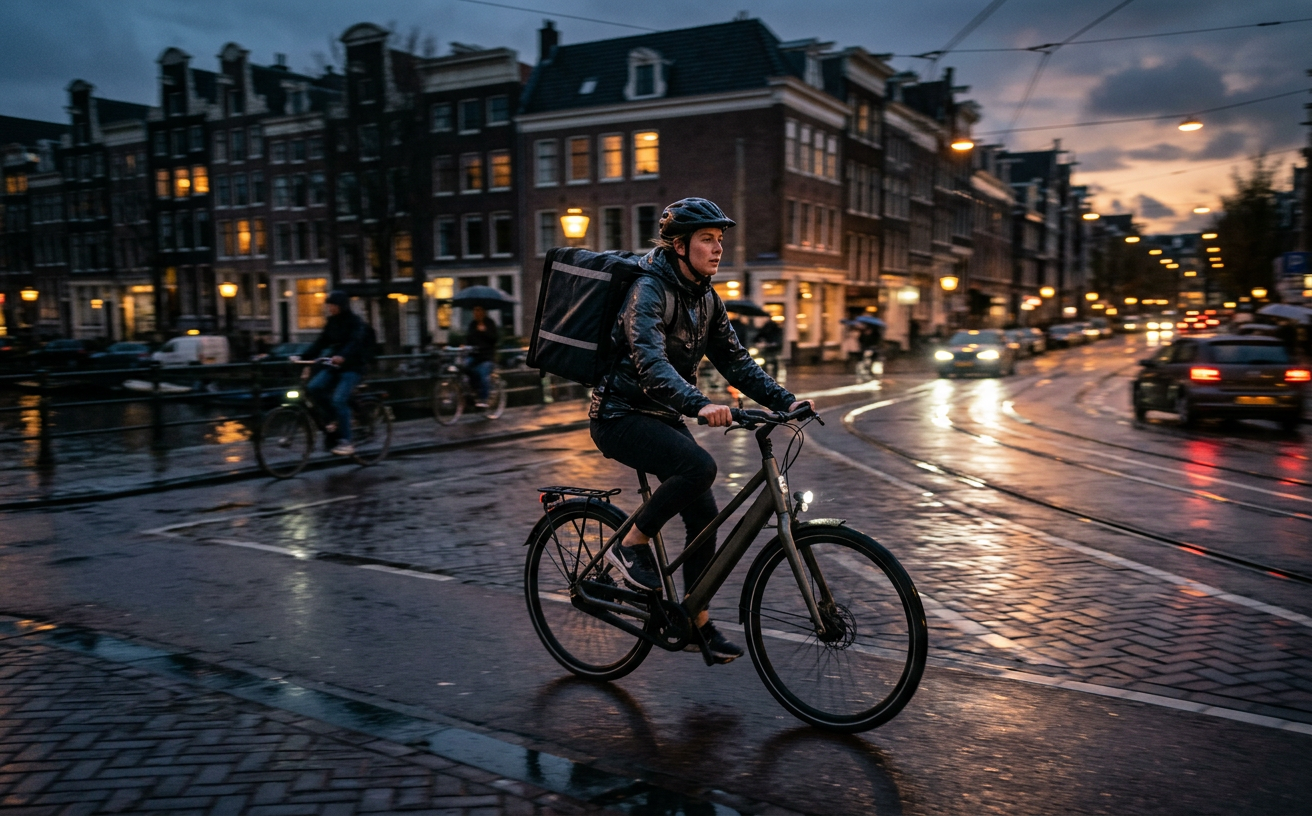
European quick commerce is unrecognisable from its 2021 self. After the collapse and consolidation of Gorillas and the painful retreat of Getir from most Western markets, the surviving operators are building something more durable — and far less venture-funded. The story matters because what emerged from the wreckage is the first sustainable model for rapid grocery in dense european cities.
The new shape of the category Flink continues to lead in Germany and the Netherlands, with a tighter store footprint and a heavy focus on private-label margin. Wolt, owned by DoorDash, has folded grocery delivery into a broader logistics network that also serves restaurants, retail and pharmacy.
Why the survivors look different Average basket sizes are up sharply, delivery promises have softened from 10 minutes to 20 to 30, and the unit economics now finally pencil at the contribution level in the strongest cities. Most importantly, the surviving operators are no longer trying to replace the weekly shop — they are positioning themselves as a structural top-up channel.
Europe didn't kill quick commerce. It killed the version of quick commerce that needed infinite cheap capital to survive.
What to watch next Expect more partnerships between rapid operators and traditional grocers, and a slow re-expansion in Tier-1 European cities once profitability is durable. For operators and investors, the read-through is clear: the model works — just not the version silicon valley sold in 2021.
News Legacy maintains editorial independence. Some recommendations may contain affiliate links. We earn from qualifying purchases at no additional cost to you. Read our policy.
Read Next
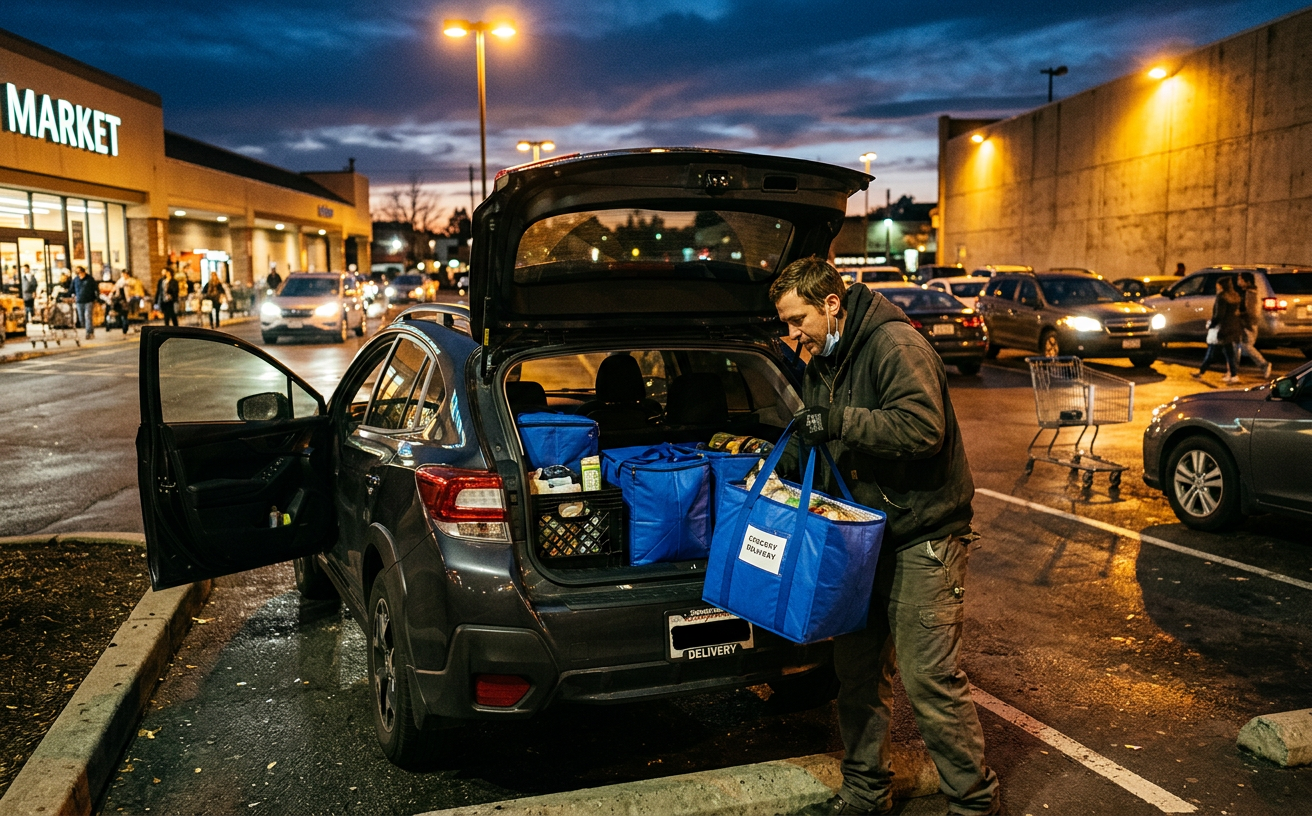
The American Grocery Arms Race: Inside Instacart, DoorDash and Uber Eats' Convergence Play
Three platforms that started in different lanes are now competing for the same customer, the same basket and the same advertising dollar.
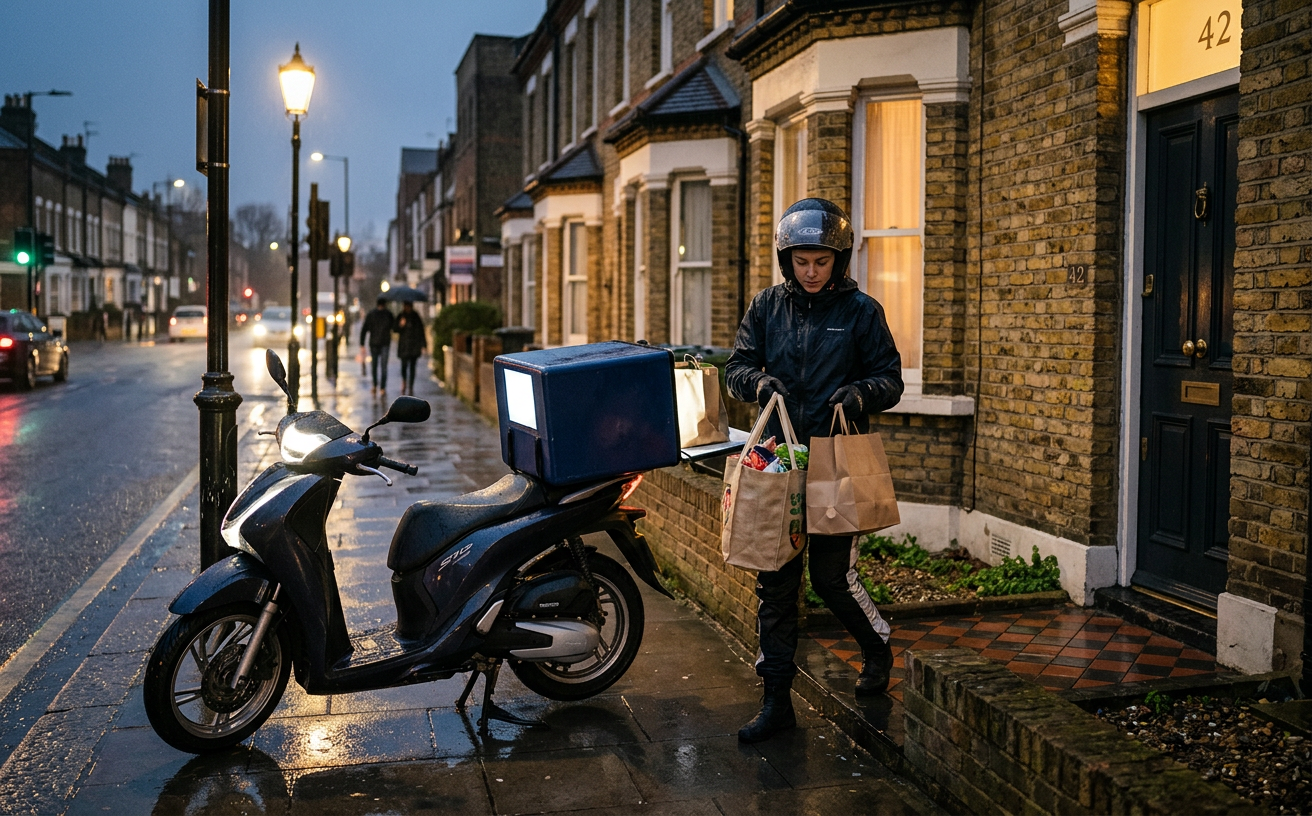
Deliveroo and Just Eat Are No Longer Restaurant Apps — They Are Last-Mile Networks
The British food-delivery platforms are quietly building grocery, retail and convenience businesses that may end up larger than the categories they were founded on.
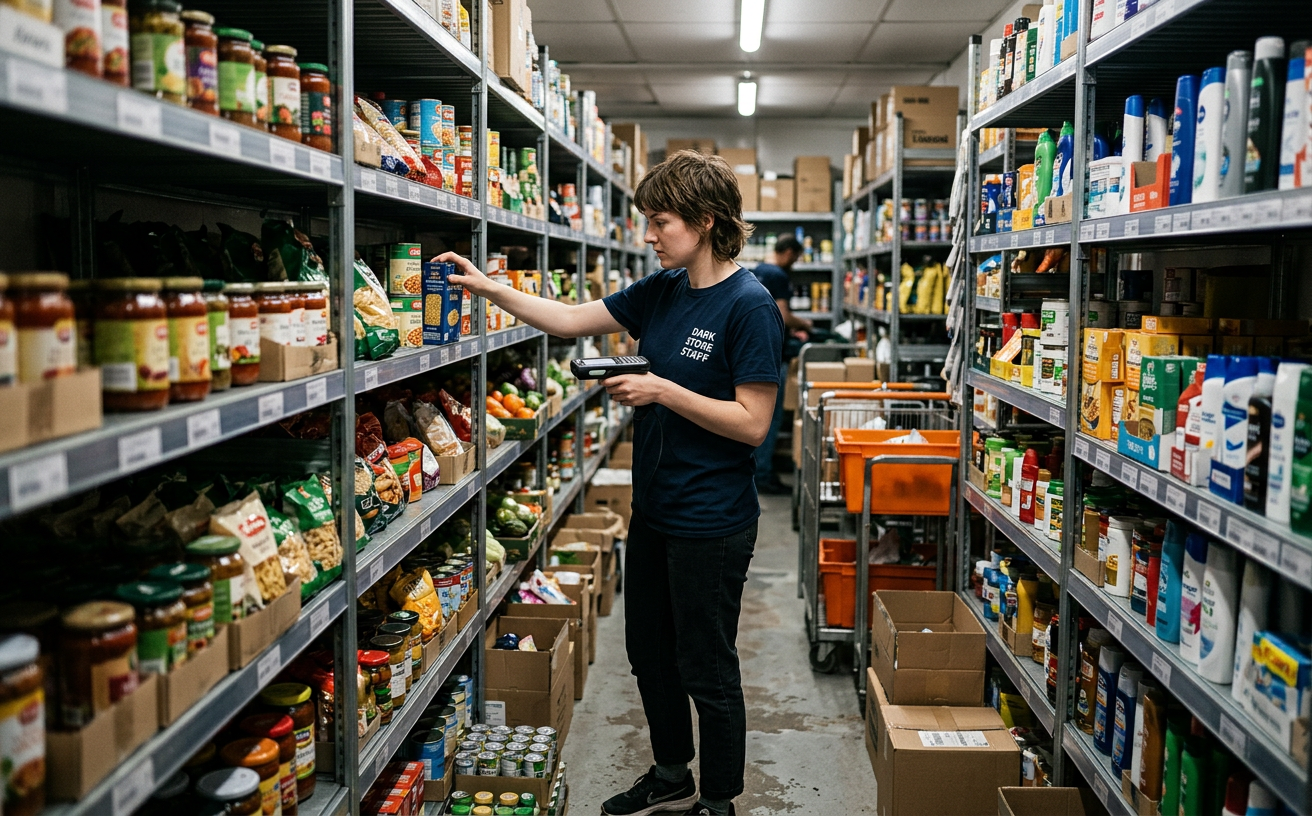
The Quiet Year Quick Commerce Started Making Money
After three years of cash bonfires, the leading rapid-delivery operators in the U.S. and Europe are reporting their first sustained quarters of contribution profit.
One short email. Stories you can use.
A free, occasional email from our editorial team with our latest features, explainers and reads. Unsubscribe any time — your email stays with us.