The American Grocery Arms Race: Inside Instacart, DoorDash and Uber Eats' Convergence Play
Three platforms that started in different lanes are now competing for the same customer, the same basket and the same advertising dollar.
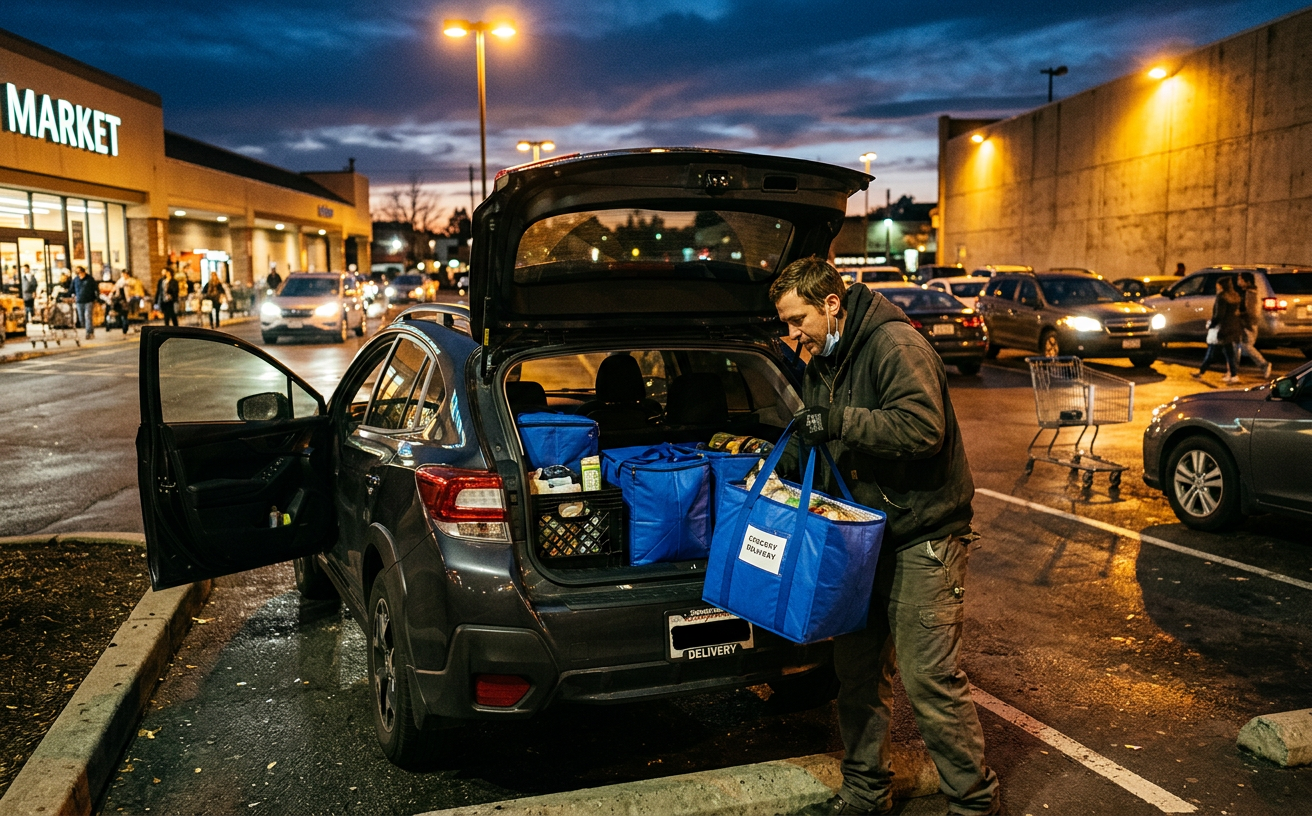
American grocery has become a three-way war. Instacart, DoorDash and Uber Eats — once neatly separated as marketplace, restaurant and ride-hailing brands — are converging on the same opportunity: the weekly U.S. household basket. The story matters because control of grocery delivery is the front door to the largest, stickiest consumer category in commerce.
Different starting lines, identical destination Instacart still operates the deepest retailer integrations, with more than 1,400 banners and the bulk of America's Top 30 grocers. DoorDash, leveraging its restaurant logistics, has built a dark-store and DashMart footprint that gives it national same-hour grocery in 4,000 cities.
Where the money actually is Delivery margins remain razor-thin. The real prize is retail media — sponsored placements, brand pages and CPG budgets that historically lived inside Walmart, Target and Kroger. Instacart Ads is now a billion-dollar plus business and growing faster than its core marketplace; DoorDash and Uber are building competing offerings as quickly as their data infrastructure allows.
The grocery delivery wars stopped being about delivery a year ago. They are now an advertising war fought on someone else's inventory.
What to watch next Watch for tighter retailer exclusivity terms, more aggressive private-label expansion and the slow but inevitable convergence of restaurant and grocery on the same app. For operators and investors, the read-through is clear: cpg brands need to treat each platform as a media network, not just a fulfillment layer.
News Legacy maintains editorial independence. Some recommendations may contain affiliate links. We earn from qualifying purchases at no additional cost to you. Read our policy.
Read Next
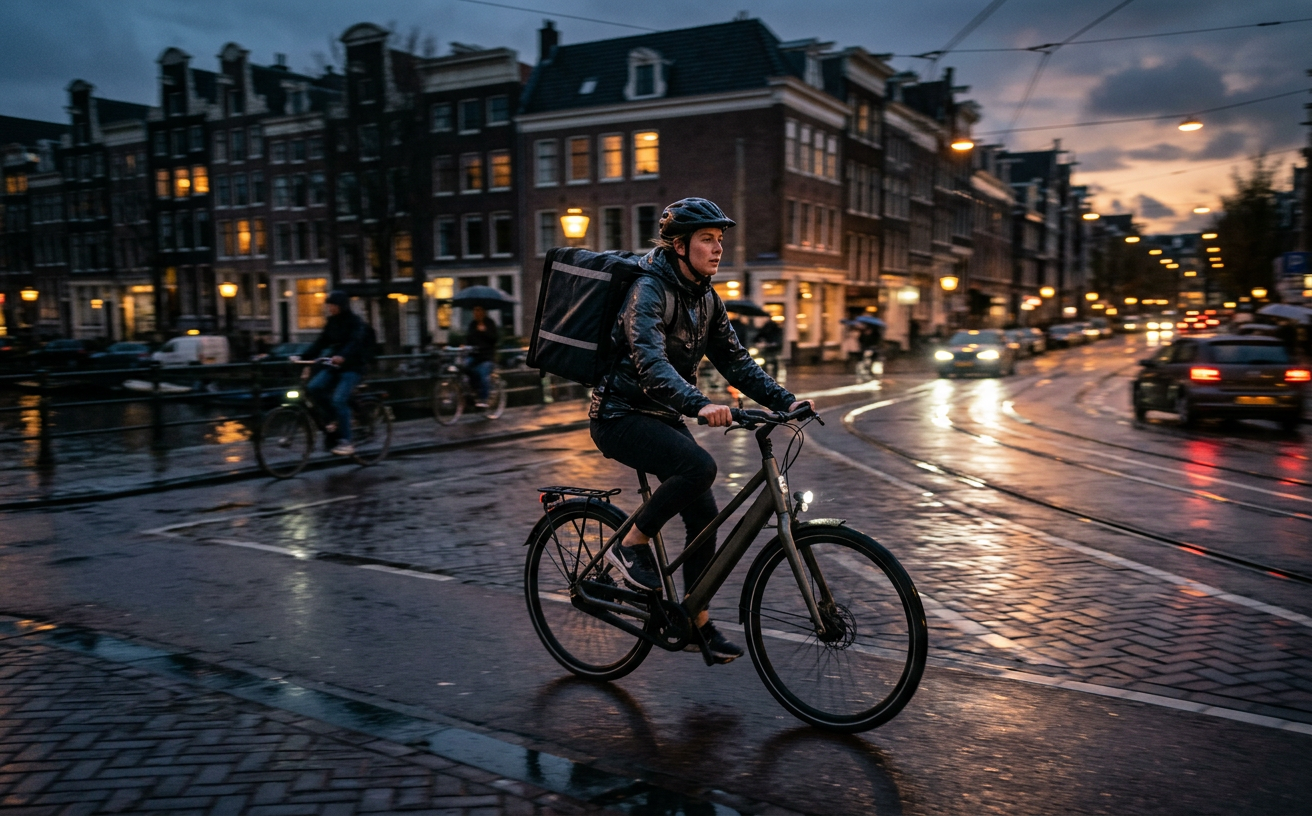
After Gorillas and Getir: What Europe's Quick Commerce Survivors Are Building
The hype cycle is over. Flink, Wolt and a quieter cohort of national operators are defining what rapid grocery in Europe actually looks like at scale.
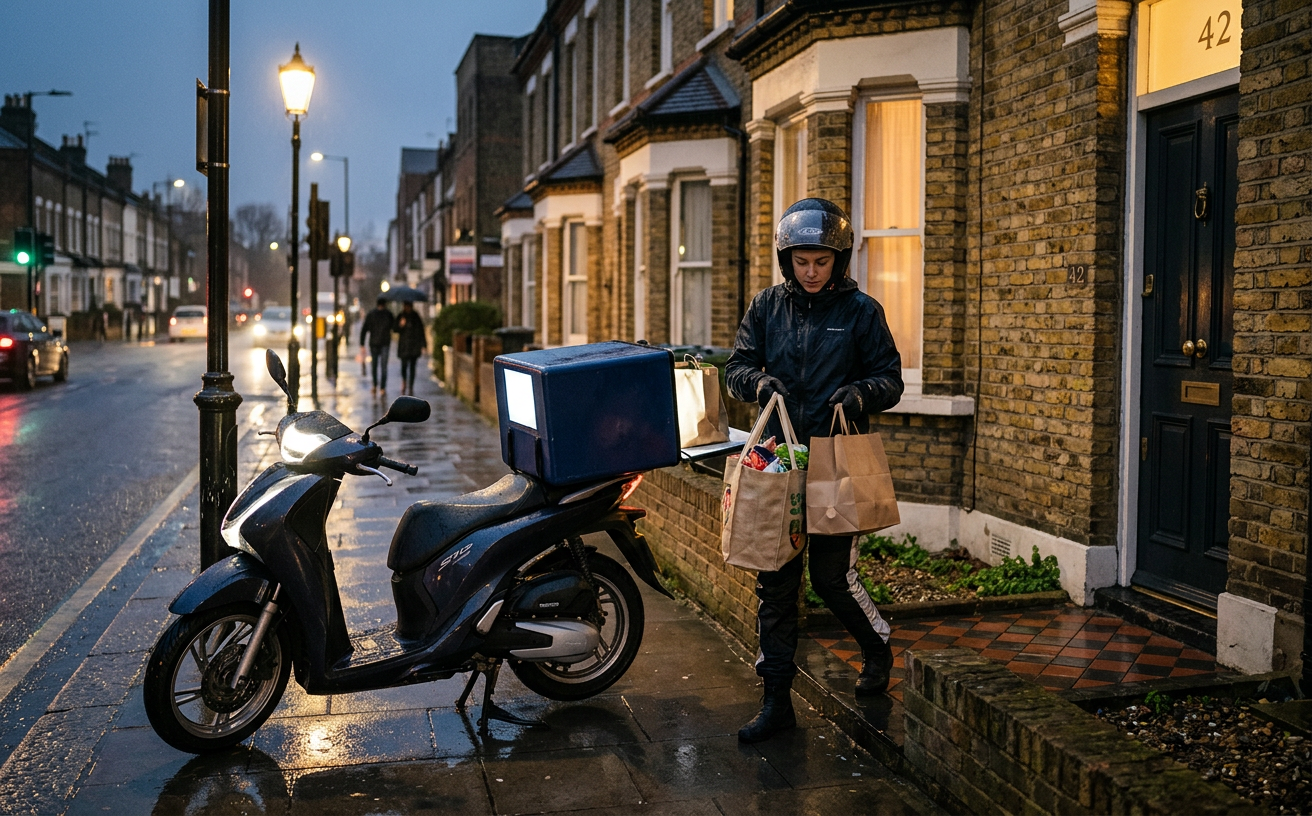
Deliveroo and Just Eat Are No Longer Restaurant Apps — They Are Last-Mile Networks
The British food-delivery platforms are quietly building grocery, retail and convenience businesses that may end up larger than the categories they were founded on.
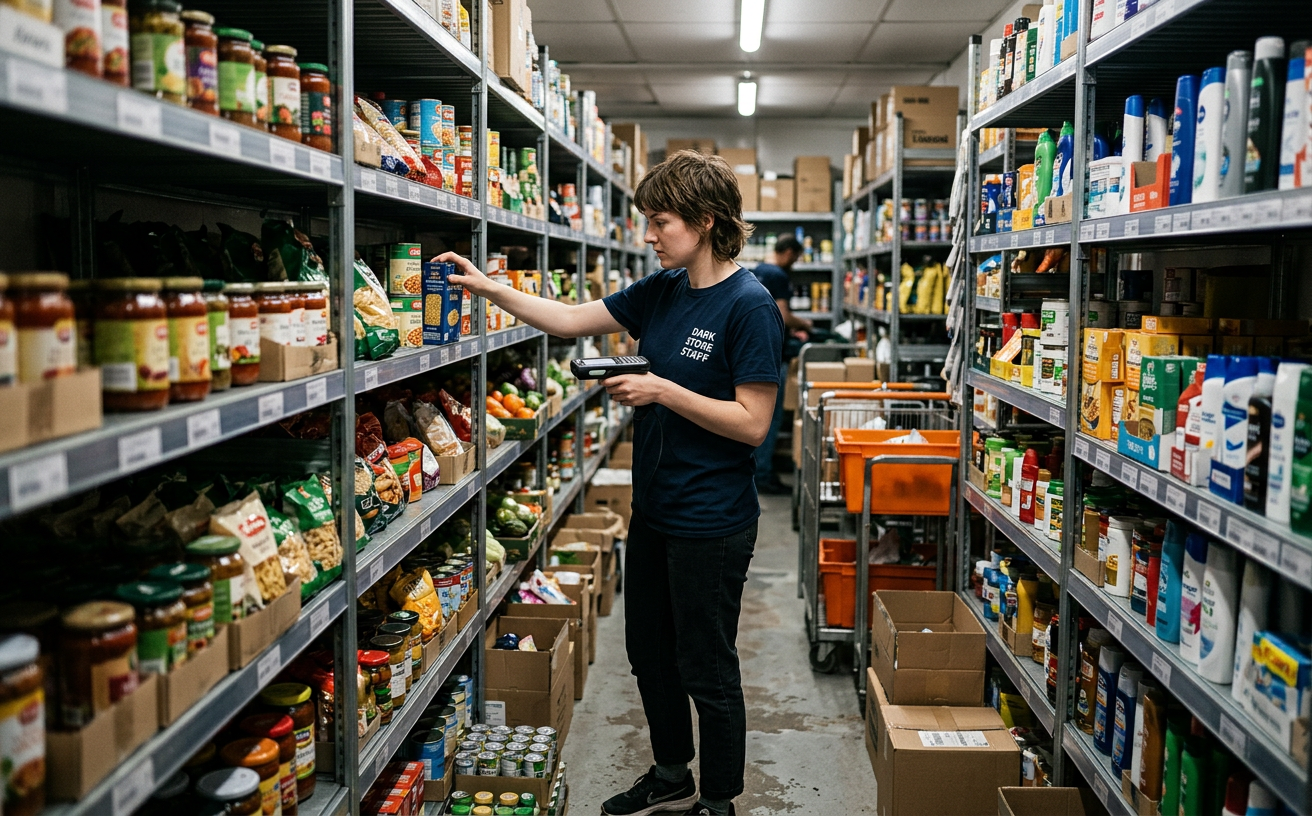
The Quiet Year Quick Commerce Started Making Money
After three years of cash bonfires, the leading rapid-delivery operators in the U.S. and Europe are reporting their first sustained quarters of contribution profit.
One short email. Stories you can use.
A free, occasional email from our editorial team with our latest features, explainers and reads. Unsubscribe any time — your email stays with us.