Deliveroo and Just Eat Are No Longer Restaurant Apps — They Are Last-Mile Networks
The British food-delivery platforms are quietly building grocery, retail and convenience businesses that may end up larger than the categories they were founded on.
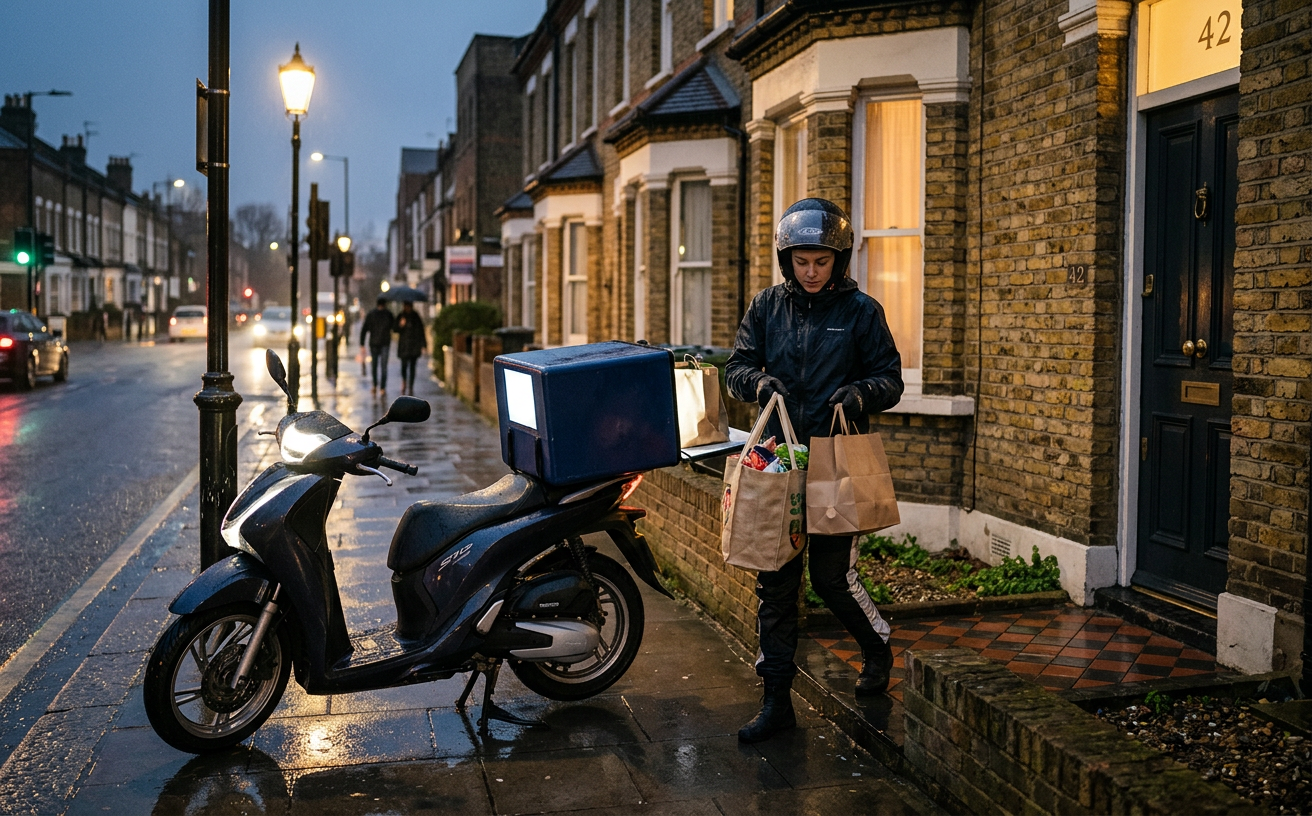
Open the Deliveroo app today and the homepage looks nothing like it did three years ago. Restaurants are still there, but groceries from Sainsbury's and Waitrose, beauty from Boots, and convenience runs from Co-op now share the front screen — and increasingly drive the basket. The story matters because the british platforms are evolving from restaurant aggregators into general-purpose last-mile networks.
The pivot in numbers Non-restaurant orders now account for more than a quarter of total volume on Deliveroo and Just Eat in the UK, up from less than ten percent two years ago. Average order values on grocery and retail are nearly double restaurant orders, and unit economics on the broader basket are materially stronger.
Why this matters for retailers Major UK grocers are increasingly treating these platforms as a meaningful sales channel rather than a top-up curiosity. The platforms, in turn, are investing in dedicated dark stores and white-label fulfilment for retail partners.
The food-delivery brands of 2020 are now becoming the on-demand logistics infrastructure of 2026. The label hasn't caught up with the business.
What to watch next Expect deeper retail-media plays, more own-brand experimentation, and continued blurring between food, grocery and general-merchandise delivery. For operators and investors, the read-through is clear: calling these companies food-delivery platforms badly understates what they have become.
News Legacy maintains editorial independence. Some recommendations may contain affiliate links. We earn from qualifying purchases at no additional cost to you. Read our policy.
Read Next
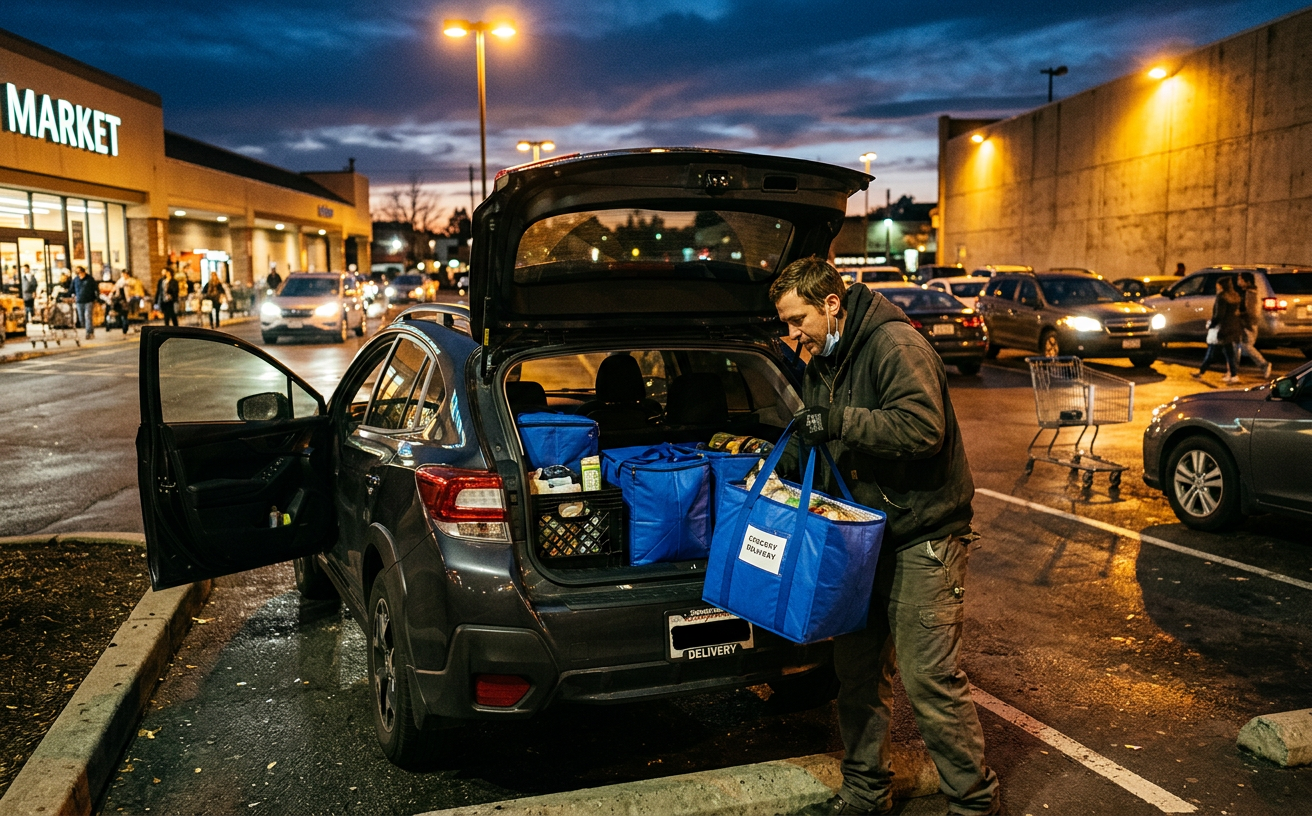
The American Grocery Arms Race: Inside Instacart, DoorDash and Uber Eats' Convergence Play
Three platforms that started in different lanes are now competing for the same customer, the same basket and the same advertising dollar.
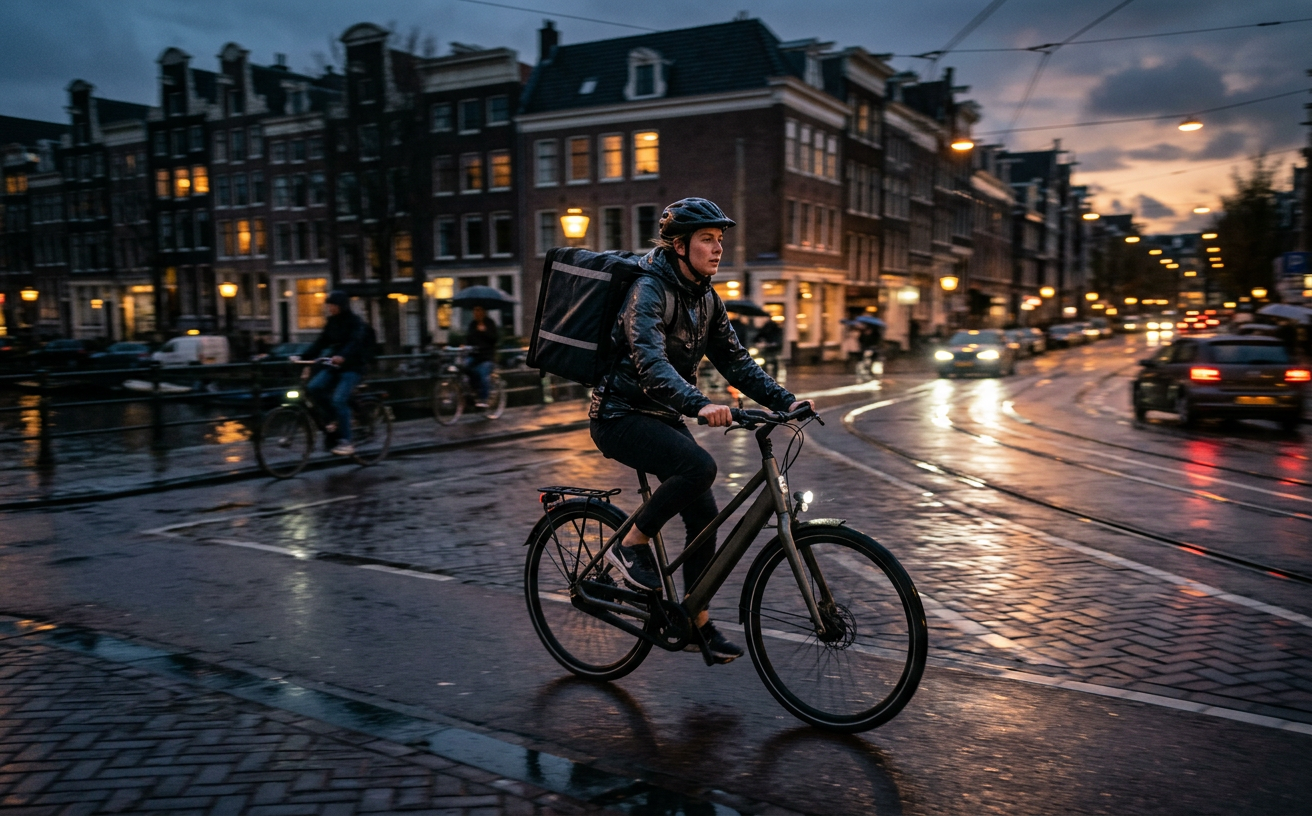
After Gorillas and Getir: What Europe's Quick Commerce Survivors Are Building
The hype cycle is over. Flink, Wolt and a quieter cohort of national operators are defining what rapid grocery in Europe actually looks like at scale.
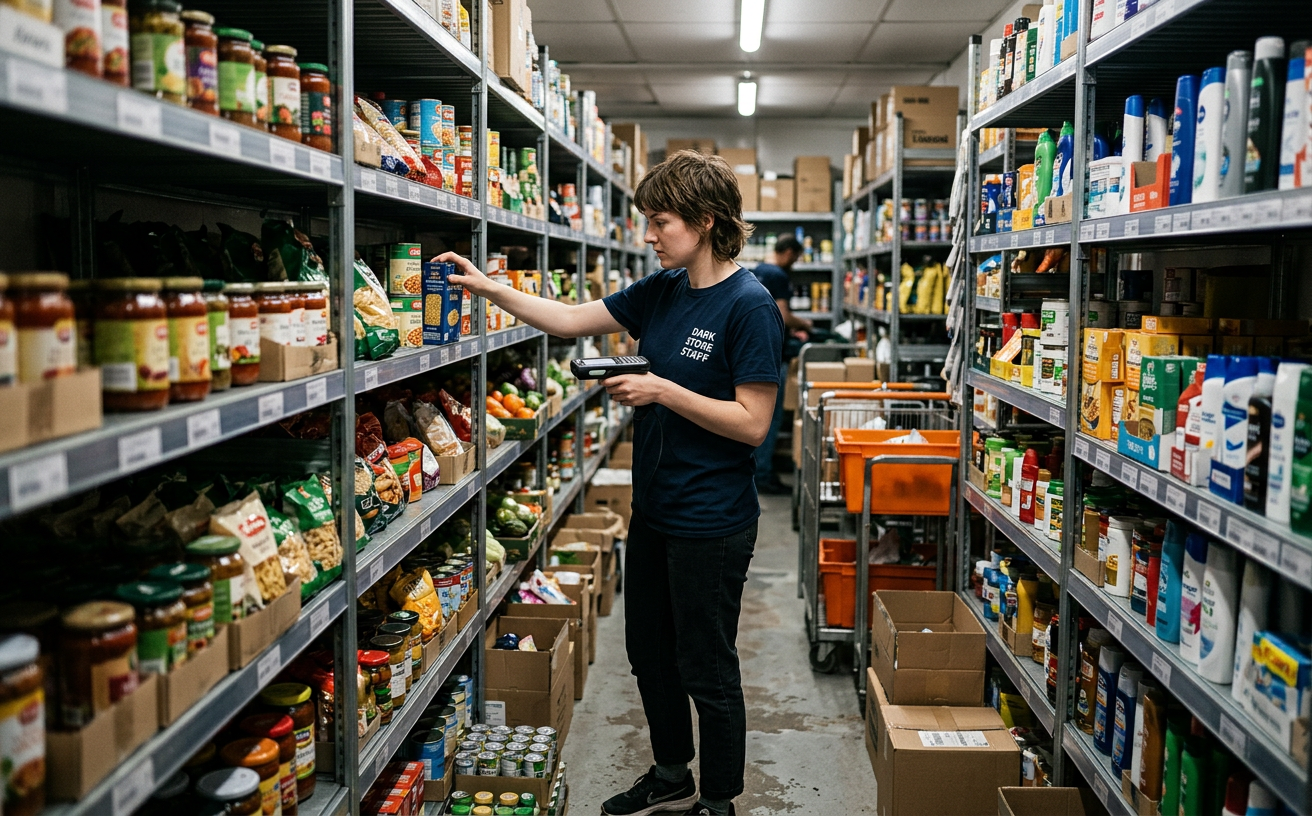
The Quiet Year Quick Commerce Started Making Money
After three years of cash bonfires, the leading rapid-delivery operators in the U.S. and Europe are reporting their first sustained quarters of contribution profit.
One short email. Stories you can use.
A free, occasional email from our editorial team with our latest features, explainers and reads. Unsubscribe any time — your email stays with us.