Affiliate Evolution: European Retailers Reappraise Partnership Value in a Tight Market
Across the European Union, retailers are recalibrating their affiliate marketing strategies, moving beyond last-click attribution to foster more sustainable, value-driven collaborations amidst increasing competition and evolving consumer behaviour.

When Zalando launched its Partner Programme, integrating thousands of brands directly onto its platform, it implicitly redefined affiliate marketing not merely as a traffic driver, but as a core component of its merchandising strategy. This shift, replicated in various forms by companies from Poland’s Allegro to France’s Cdiscount, underscores a fundamental re-evaluation of affiliate relationships across the continent. With economic headwinds and intense digital competition, European retailers are scrutinising every euro spent on customer acquisition, demanding greater transparency and demonstrable long-term value from their affiliate networks.
The traditional commission-on-sale model, often favouring affiliates that capture the final click, is giving way to more nuanced arrangements. Retailers like Bol.com in the Netherlands and Italy's Carrefour are exploring commission structures that reward different stages of the customer journey, from initial brand discovery to repeat purchases. This move acknowledges the complex, multi-touchpoint path a consumer takes before conversion, particularly for higher-value or considered purchases. It also aims to incentivise a broader array of content creators and niche publishers, rather than solely relying on discount code aggregators or cashback sites.
Diversifying the Affiliate Portfolio
Across Germany, grocers like REWE and Lidl have historically focused on their own extensive loyalty programmes and direct marketing channels. However, the rise of quick commerce players, even after the market correction that saw Gorillas acquired and Flink recalibrate, has demonstrated the power of digital reach. These traditional retailers are now cautiously engaging with content creators and recipe sites, offering product placements and bespoke promotions, aiming to influence purchasing decisions earlier in the consumer's decision-making process. The goal is not just a sale, but also to build brand awareness and drive basket size.
Cross-border dynamics further complicate and enrich the European affiliate landscape. A Polish fashion influencer might drive significant traffic to a German e-commerce site, or a Spanish tech reviewer could sway purchasing decisions for a French electronics retailer. Platforms like Vinted, with its strong community-driven model, implicitly leverages user-generated content as a form of organic affiliation, demonstrating the power of authentic recommendations that transcend national borders. Managing these diverse relationships, often in multiple languages and under varying regulatory frameworks like GDPR, requires sophisticated tracking and attribution technologies.
The evolving affiliate landscape necessitates a move from transactional thinking to strategic partnerships, where mutual growth is prioritised over short-term gains.
The push for deeper integration extends to data sharing. While privacy concerns remain paramount, particularly in the EU, retailers are seeking aggregate insights from their affiliate partners regarding audience demographics, content performance, and emerging trends. This collaborative data exchange allows both parties to optimise campaigns, fine-tune product offerings, and identify new market opportunities. For instance, understanding which content formats resonate best with a Nordic audience versus a Mediterranean one can inform broader marketing strategies.
Investment in technology platforms that can accurately track cross-device and cross-channel interactions is becoming non-negotiable. Many European retailers, from major players to smaller niche e-tailers, are moving away from proprietary, in-house solutions towards robust third-party affiliate management platforms that offer advanced analytics, fraud detection, and seamless payment processing across different currencies and tax jurisdictions. This standardisation helps streamline operations and provides a clearer picture of return on investment.
Beyond the Last Click: Proving Incremental Value
The ultimate challenge for European retailers is to move beyond simply measuring clicks and sales, and to instead quantify the incremental value generated by their affiliate programmes. This involves A/B testing, control groups, and sophisticated modelling to determine what sales would not have occurred without the affiliate's influence. As marketing budgets face increased scrutiny, demonstrating this incremental lift will be crucial for securing continued investment in affiliate channels. The shift is from a cost-centre mentality to viewing affiliates as strategic growth partners capable of unlocking new market segments and driving substantial, measurable revenue.
The current environment dictates a more rigorous, data-driven approach to affiliate marketing. Retailers are recognising that the superficial metrics of yesteryear no longer suffice. For those who embrace a strategic, partnership-oriented model, the affiliate channel promises to be a robust engine for sustainable growth in the complex and competitive European retail arena.
News Legacy maintains editorial independence. Some recommendations may contain affiliate links. We earn from qualifying purchases at no additional cost to you. Read our policy.
Read Next

Is Sohna Really the Next Chhatarpur?
Three decades after Chhatarpur redrew South Delhi's map for space, privacy and exclusivity, a familiar pattern is now taking shape further south, and Sohna is where the smart money is beginning to look.
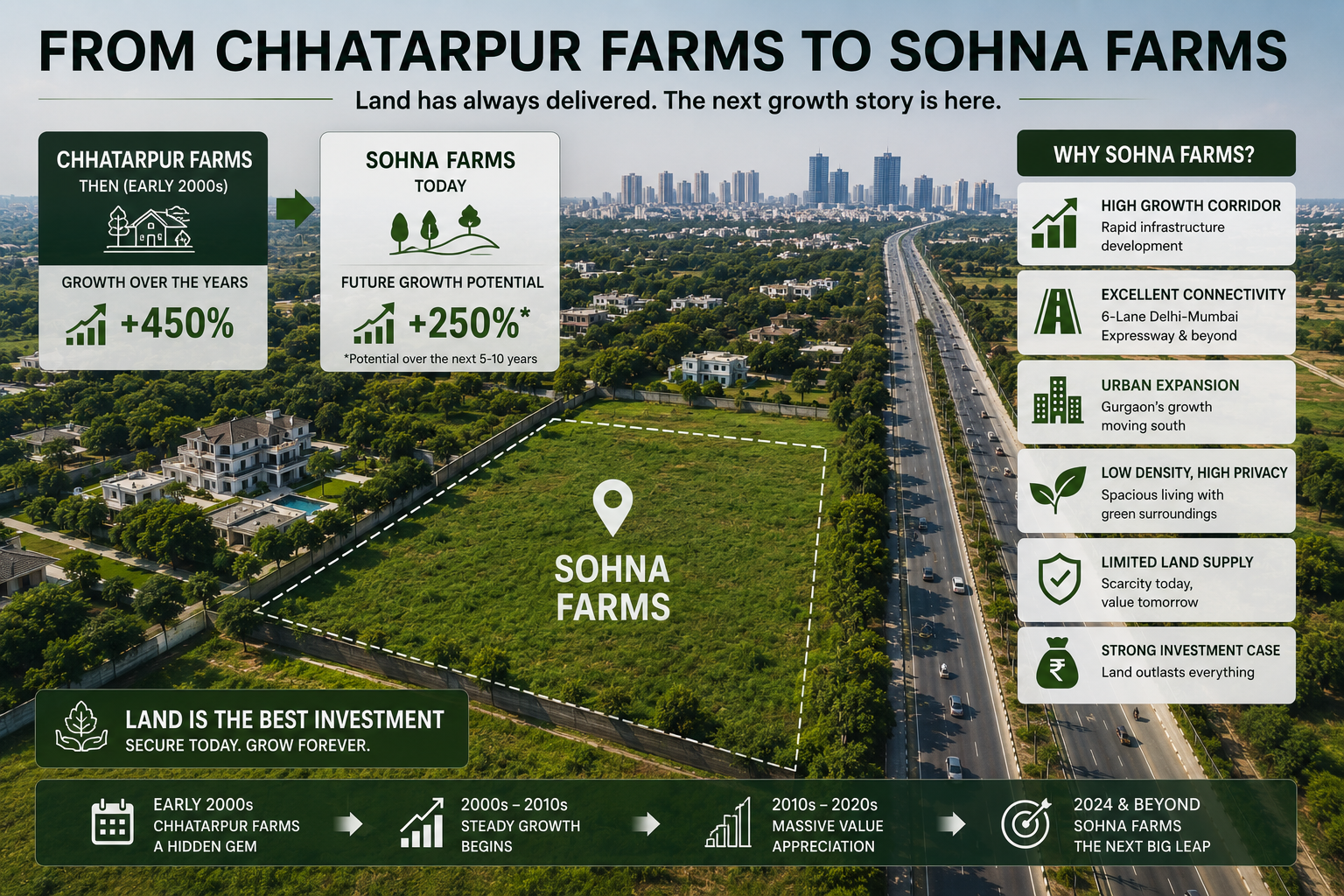
How Chhatarpur Farmhouses Created Multi-Crore Wealth for Early Buyers
What a quiet corner of South Delhi can teach investors about land, scarcity, and long-term wealth creation.
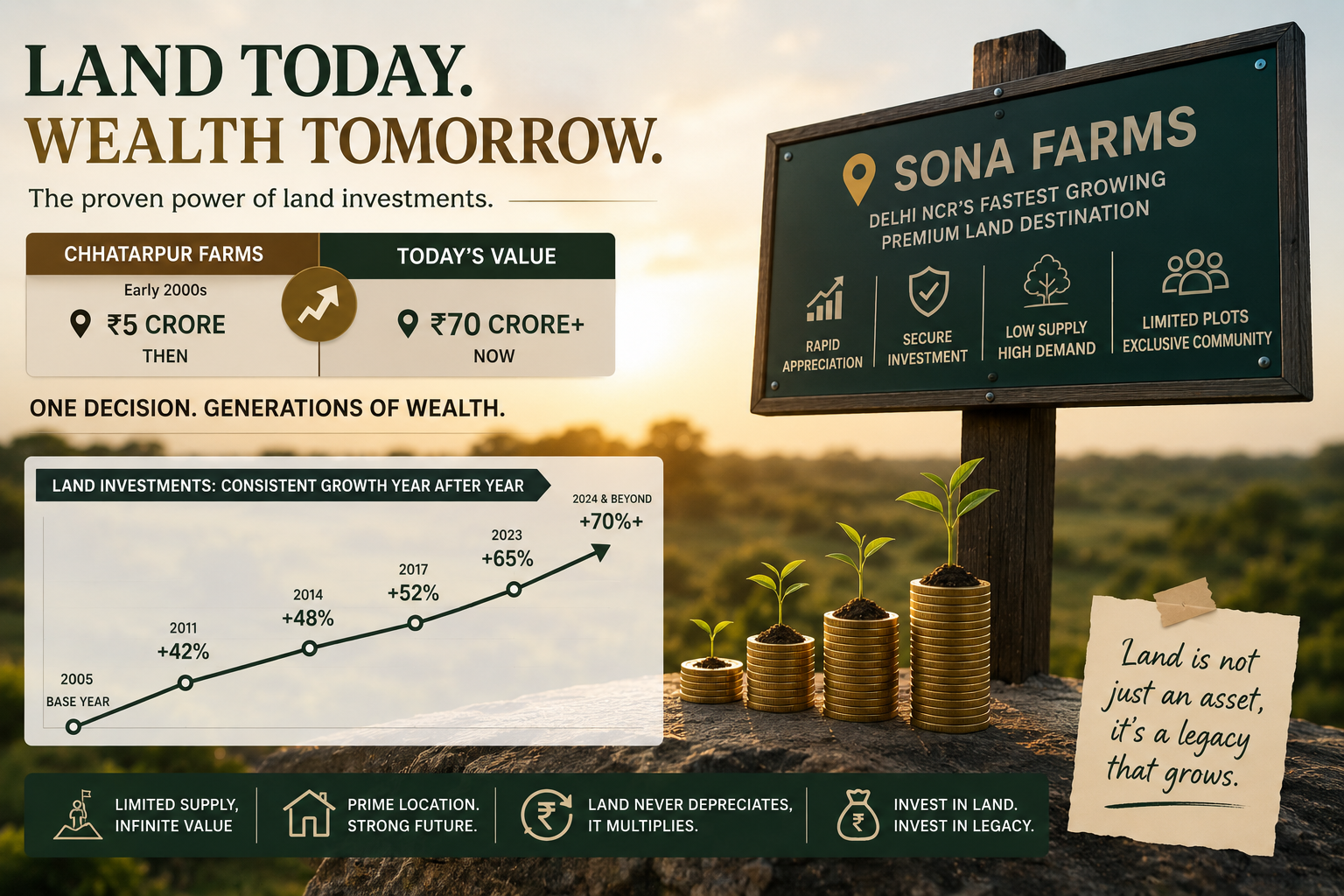
The ₹5 Crore Land Purchase That Became Worth ₹70 Crore
What the Story of DLF Chhatarpur Farms Reveals About Wealth Creation Through Premium Land Ownership
One short email. Stories you can use.
A free, occasional email from our editorial team with our latest features, explainers and reads. Unsubscribe any time — your email stays with us.