Affiliate Evolution: European Retailers Recalibrate Digital Partnerships Amid Scrutiny
Across the European Union, retailers are refining their affiliate marketing strategies, moving beyond volume-driven commissions towards deeper, data-informed collaborations. The shift reflects evolving consumer privacy norms and an intensified focus on measurable returns on marketing investment.

Platforms like Zalando, a dominant force in European fashion e-commerce, have long leveraged a vast network of affiliate partners to drive traffic and sales. However, the efficacy of traditional, high-volume affiliate models is now under review. As regulatory pressures mount, particularly with the Digital Markets Act and increased scrutiny on data collection, companies are seeking more sophisticated approaches that align with both their commercial objectives and a stricter privacy landscape.
The landscape for digital commerce in Europe presents a complex mosaic. While giants like Amazon loom large, indigenous players such as Poland's Allegro, France's Cdiscount, and the Netherlands' Bol.com command significant market share within their respective territories. The challenge for these domestic leaders lies in optimising their digital outreach without falling foul of evolving legal frameworks or squandering marketing budgets on less effective channels.
The Data Imperative and Regulatory Headwinds
Historically, affiliate marketing often operated on a 'last-click wins' model, rewarding the affiliate channel that delivered the final interaction before a purchase. This approach, while straightforward, frequently overlooked the complex customer journey and undervalued earlier touchpoints. Modern analytics, however, allow for a more nuanced attribution, enabling retailers to compensate partners based on their true influence, whether at the discovery, consideration, or conversion stage.
The imperative for data-driven precision is heightened by GDPR and the ePrivacy Directive, which restrict how user data can be collected and processed across the EU. Retailers and their affiliate partners must ensure transparent consent mechanisms and robust data protection protocols. Failure to do so not only risks substantial fines but also erodes consumer trust, a critical asset in a competitive market.
This emphasis on compliance is compelling platforms to vet their affiliate networks more rigorously, favouring partners who demonstrate adherence to best practices and provide genuine value, rather than merely driving clicks through potentially opaque methods. The German market, with its historically stringent privacy attitudes, often serves as a bellwether for these trends.
Cross-Border Dynamics and Niche Specialisation
The cross-border nature of European e-commerce adds another layer of complexity. A consumer in Spain might discover a product via an Italian affiliate site before purchasing directly from a French retailer. Tracking these journeys accurately and allocating commissions fairly across different national markets requires sophisticated technological infrastructure and contractual agreements.
The retailers who truly thrive will be those that view affiliate marketing not as a transactional cost, but as a strategic partnership for brand building and customer acquisition.
Moreover, the rise of specialised affiliates targeting niche markets is gaining traction. Instead of broad coupon sites, retailers are increasingly partnering with content creators, influencers, and review platforms deeply embedded in specific communities. For example, a food retailer like Carrefour or REWE might collaborate with culinary bloggers, while a fashion re-commerce platform like Vinted could leverage sustainability-focused influencers. These collaborations yield higher-quality leads and stronger brand affinity.
Even the rapid-delivery grocery sector, exemplified by former players like Gorillas and current ones like Flink, despite their operational challenges, demonstrated the power of localised, targeted digital outreach. Their campaigns often leveraged hyper-local affiliates to penetrate urban areas, underscoring the potential for tailored strategies to drive rapid user adoption in specific geographies. As the European market matures, the evolution of affiliate marketing towards greater transparency, data integrity, and strategic integration will be key to unlocking sustainable growth for its diverse retail ecosystem.
News Legacy maintains editorial independence. Some recommendations may contain affiliate links. We earn from qualifying purchases at no additional cost to you. Read our policy.
Read Next

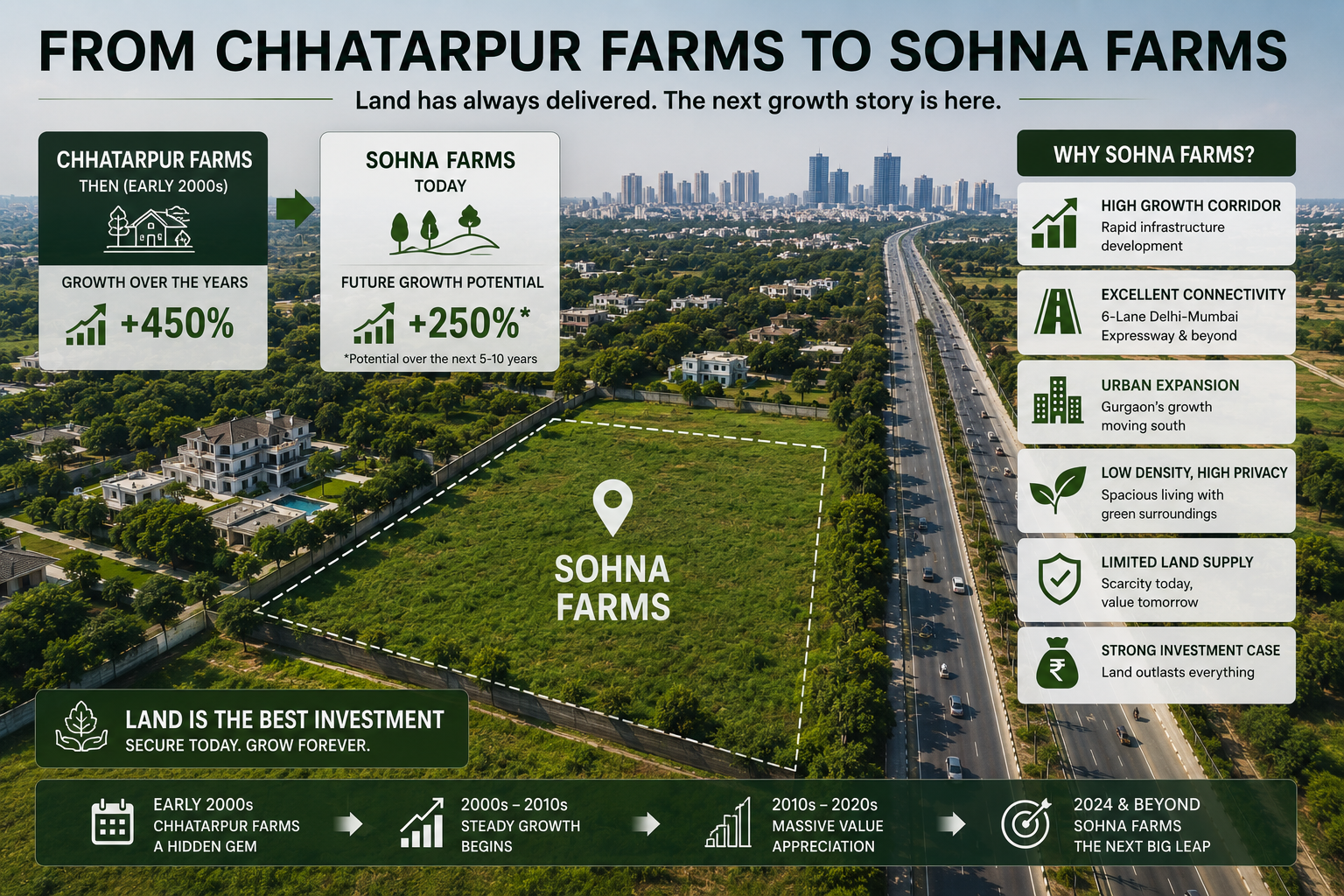
Is Sohna Really the Next Chhatarpur?
Three decades after Chhatarpur redrew South Delhi's map for space, privacy and exclusivity, a familiar pattern is now taking shape further south, and Sohna is where the smart money is beginning to look.
How Chhatarpur Farmhouses Created Multi-Crore Wealth for Early Buyers
What a quiet corner of South Delhi can teach investors about land, scarcity, and long-term wealth creation.

The ₹5 Crore Land Purchase That Became Worth ₹70 Crore
What the Story of DLF Chhatarpur Farms Reveals About Wealth Creation Through Premium Land Ownership
One short email. Stories you can use.
A free, occasional email from our editorial team with our latest features, explainers and reads. Unsubscribe any time — your email stays with us.