Affiliate Marketing's Uneven Trajectory Across Europe's Digital Front
While often overshadowed by direct-to-consumer strategies, affiliate marketing continues to shape purchase decisions across Europe, yet its regional penetration and tactical deployment reveal a fragmented landscape defying simple categorisation.

From the bustling digital storefronts of Allegro in Poland to the curated fashion offerings of Zalando across Germany and the Nordics, a significant proportion of online sales transactions owes its genesis, directly or indirectly, to affiliate networks. These subtle pathways of consumer acquisition, often underestimated in their collective financial impact, represent a multi-billion euro sector. For retailers navigating the intricacies of Europe's diverse markets, understanding these dynamics is increasingly crucial for profitability and market share, particularly as advertising costs continue their upward trajectory.
The sheer scale of the European e-commerce market, projected to exceed €1 trillion within the coming years, provides a fertile ground for performance-based marketing. Companies like Bol.com in the Benelux region and Cdiscount in France leverage extensive affiliate programmes to extend their reach beyond traditional media buys. These arrangements allow them to tap into a vast ecosystem of publishers, from review sites and content creators to coupon portals, who are compensated only upon the successful conversion of a lead into a sale.
Regional Disparities and Strategic Nuances
Across the continent, the maturity and sophistication of affiliate marketing vary considerably. Markets such as Germany and the UK have long-established, highly developed affiliate ecosystems, characterised by robust tracking technologies, sophisticated publisher relationships, and a high degree of transparency. Here, major players often integrate affiliate channels as a core component of their digital marketing mix, reflecting a deep understanding of its cost-efficiency compared to more speculative advertising models.
In contrast, regions like Southern Europe, including Spain and Italy, have shown slower adoption rates, partly due to fragmented media landscapes and a historical preference for traditional advertising channels. While growth is evident, the infrastructure for robust affiliate partnerships is still evolving. This creates both challenges and opportunities for retailers and affiliate networks seeking to establish a stronger foothold, requiring more intensive education and direct engagement with potential publishers.
Poland, anchored by domestic giants like Allegro, showcases a hybrid model, where local affiliate networks coexist with international platforms. The market demonstrates a strong appetite for price comparison and deal-driven conversions, reflecting consumer behaviours that reward immediate value. This dynamic contrasts with more content-driven affiliate strategies prevalent in Scandinavian countries, where long-form reviews and editorial endorsements often hold greater sway.
The resilience of performance marketing lies in its intrinsic alignment with measurable outcomes, offering a tangible return on investment that conventional advertising often struggles to demonstrate with the same clarity.
The rise of quick commerce platforms, such as the now-defunct Gorillas or the still-active Flink, initially relied heavily on aggressive direct marketing and incentives. However, as the sector matures and consolidates, there is an increasing recognition of affiliate marketing's potential to drive sustainable growth, particularly for customer acquisition in new geographies without the prohibitive upfront costs of brand advertising campaigns.
Even traditional brick-and-mortar retailers, including supermarket chains like Carrefour and REWE, are exploring affiliate channels to bolster their nascent e-commerce operations. By partnering with food bloggers, recipe sites, or local community platforms, they can drive online grocery orders or promote specific product lines, extending their brand presence into digital spaces they might otherwise struggle to penetrate effectively.
The proliferation of resale platforms such as Vinted further illustrates the adaptability of affiliate models. Influencer collaborations and content partnerships on fashion blogs or social media platforms effectively serve as affiliate channels, guiding consumers to second-hand goods with a commission-based incentive. This approach highlights how performance marketing is evolving beyond traditional retail, influencing even circular economy models.
As the digital economy in Europe continues to expand, driven by evolving consumer habits and technological advancements, the strategic deployment of affiliate marketing will remain a critical differentiator. Its capacity to deliver targeted traffic and measurable conversions, often at a lower customer acquisition cost than other channels, ensures its enduring relevance in the complex tapestry of European commerce.
News Legacy maintains editorial independence. Some recommendations may contain affiliate links. We earn from qualifying purchases at no additional cost to you. Read our policy.
Read Next

Is Sohna Really the Next Chhatarpur?
Three decades after Chhatarpur redrew South Delhi's map for space, privacy and exclusivity, a familiar pattern is now taking shape further south, and Sohna is where the smart money is beginning to look.
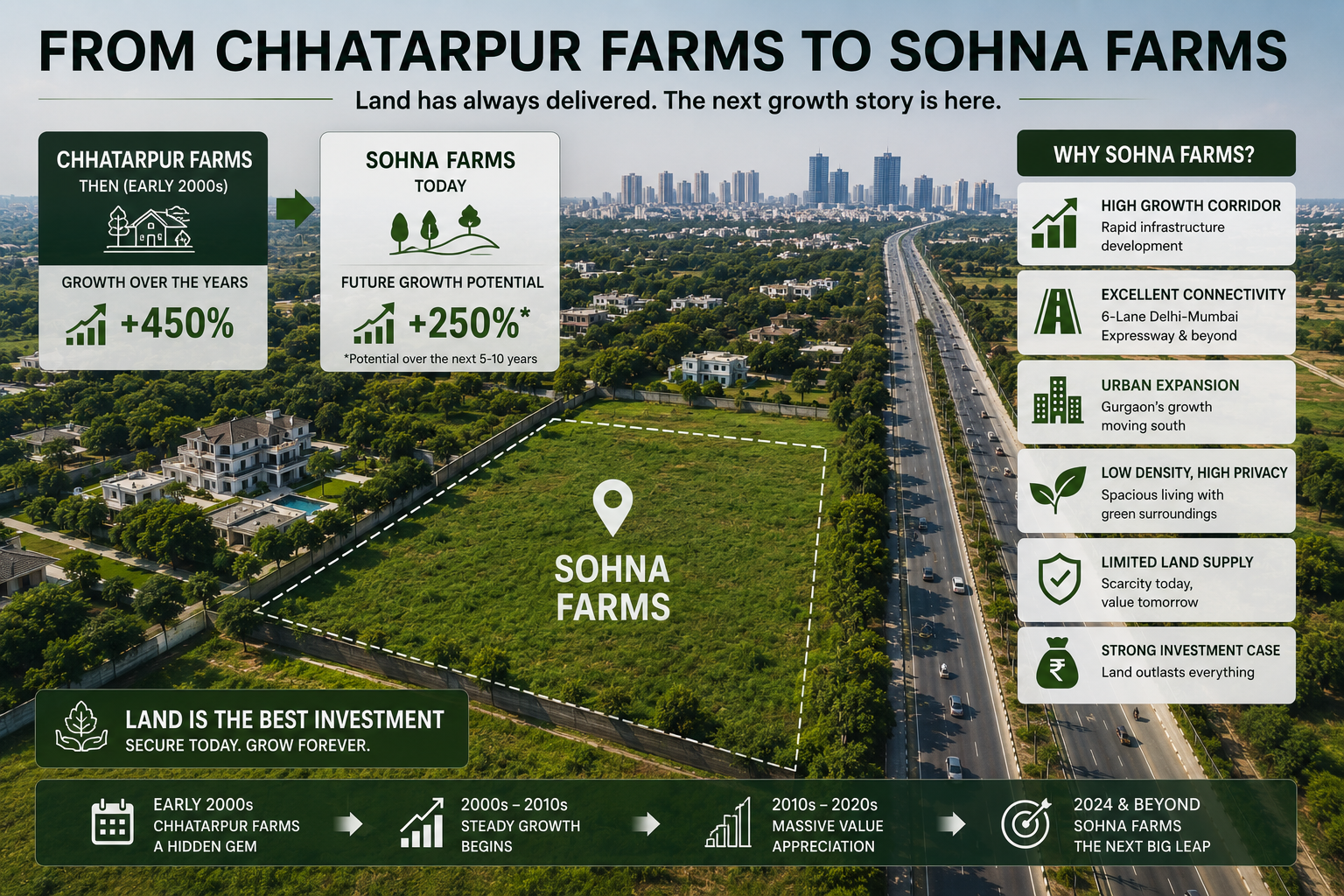
How Chhatarpur Farmhouses Created Multi-Crore Wealth for Early Buyers
What a quiet corner of South Delhi can teach investors about land, scarcity, and long-term wealth creation.
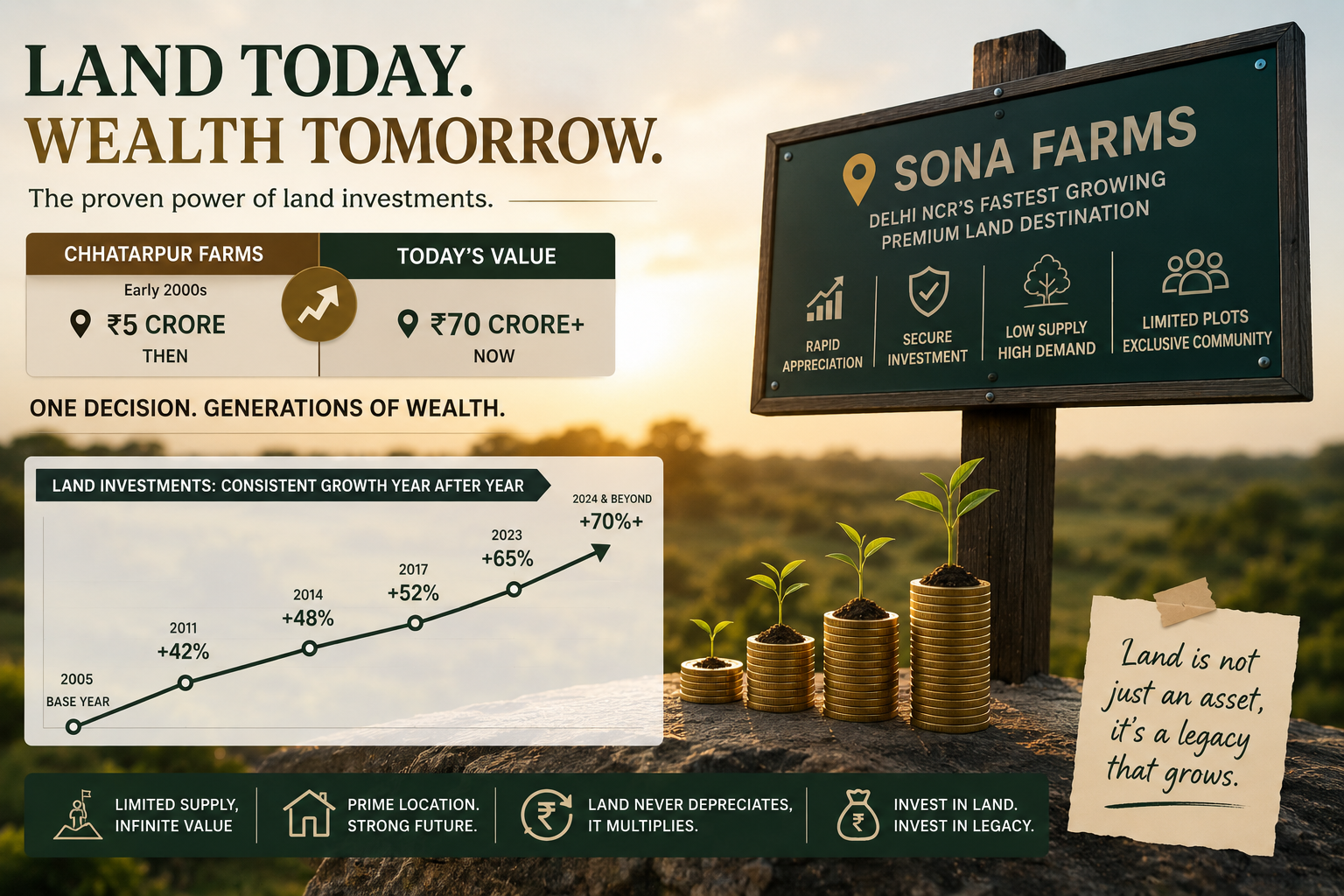
The ₹5 Crore Land Purchase That Became Worth ₹70 Crore
What the Story of DLF Chhatarpur Farms Reveals About Wealth Creation Through Premium Land Ownership
One short email. Stories you can use.
A free, occasional email from our editorial team with our latest features, explainers and reads. Unsubscribe any time — your email stays with us.