Algorithm and Aisle: The Blended Reality of Retail's AI Evolution
As artificial intelligence reshapes the consumer journey, American retailers are navigating a complex landscape where predictive models influence everything from inventory management to personalized promotions, fundamentally altering traditional commerce paradigms.

Amazon's recent expansion of its 'Just Walk Out' technology beyond its own Fresh stores to third-party retailers, including some across the US, underscores a broader shift in American retail. This is not merely about cashierless transactions; it signifies an accelerating integration of advanced AI into the physical and digital fabric of how goods are bought and sold, impacting everything from labor models to consumer expectations.
The competitive impetus for this transformation is clear. Walmart and Target, for instance, are heavily investing in AI-driven supply chain optimization, aiming to reduce stockouts and enhance delivery efficiencies. For Walmart, which reported over $600 billion in revenue last year, even fractional improvements in logistical precision can translate into billions in savings and increased customer satisfaction. This operational AI is largely invisible to the end-user but critical for profitability.
The Personalized Path to Purchase
Beyond the back-end, AI's most visible impact is in personalization. Consider the sophisticated recommendation engines on Shopify-powered e-commerce sites or the curated feeds on TikTok Shop. These algorithms learn individual preferences from browsing history, past purchases, and even passive engagement, then present highly tailored product suggestions. This level of granular targeting moves beyond simple demographic segmentation, fostering a more intimate, albeit algorithmic, relationship with the shopper.
This algorithmic influence extends to dynamic pricing models, where AI analyzes real-time demand, competitor pricing, and inventory levels to adjust product costs. While this can benefit consumers with timely discounts, it also raises questions about price transparency and potential algorithmic bias, particularly as these systems become more prevalent across diverse product categories.
The true power of AI in retail lies not just in efficiency gains, but in its capacity to anticipate and subtly guide consumer behavior at scale.
Instacart's use of AI to optimize delivery routes and predict peak demand demonstrates another facet of this integration, ensuring perishable goods arrive promptly and efficiently. This extends the AI footprint into the 'last mile,' a historically expensive and complex component of e-commerce. Similar systems are being deployed by grocery chains like Kroger and Albertsons to manage their own online fulfillment.
The Future of Physical Retail
Even brick-and-mortar giants like Costco are exploring AI's role, albeit with a focus on membership value and operational efficiency rather than cutting-edge consumer-facing tech. While Costco's model relies heavily on bulk purchases and a treasure-hunt atmosphere, AI can still optimize warehouse layouts, predict seasonal demand for specific products, and even personalize digital coupons delivered through its app.
The widespread adoption of AI in American retail implies a continuous re-evaluation of business models. Companies that fail to adapt risk falling behind competitors who leverage AI for insights into market trends, customer sentiment, and operational bottlenecks. The investment required is substantial, but the potential returns—in terms of efficiency, customer loyalty, and market share—are increasingly difficult to ignore.
Ultimately, the blending of AI with traditional retail is not a hypothetical future, but a present reality. From the unseen algorithms powering supply chains to the personalized recommendations shaping digital storefronts, AI is now an indispensable component of the American retail landscape, continually redefining how goods are brought to market and placed into consumers' hands.
News Legacy maintains editorial independence. Some recommendations may contain affiliate links. We earn from qualifying purchases at no additional cost to you. Read our policy.
Read Next
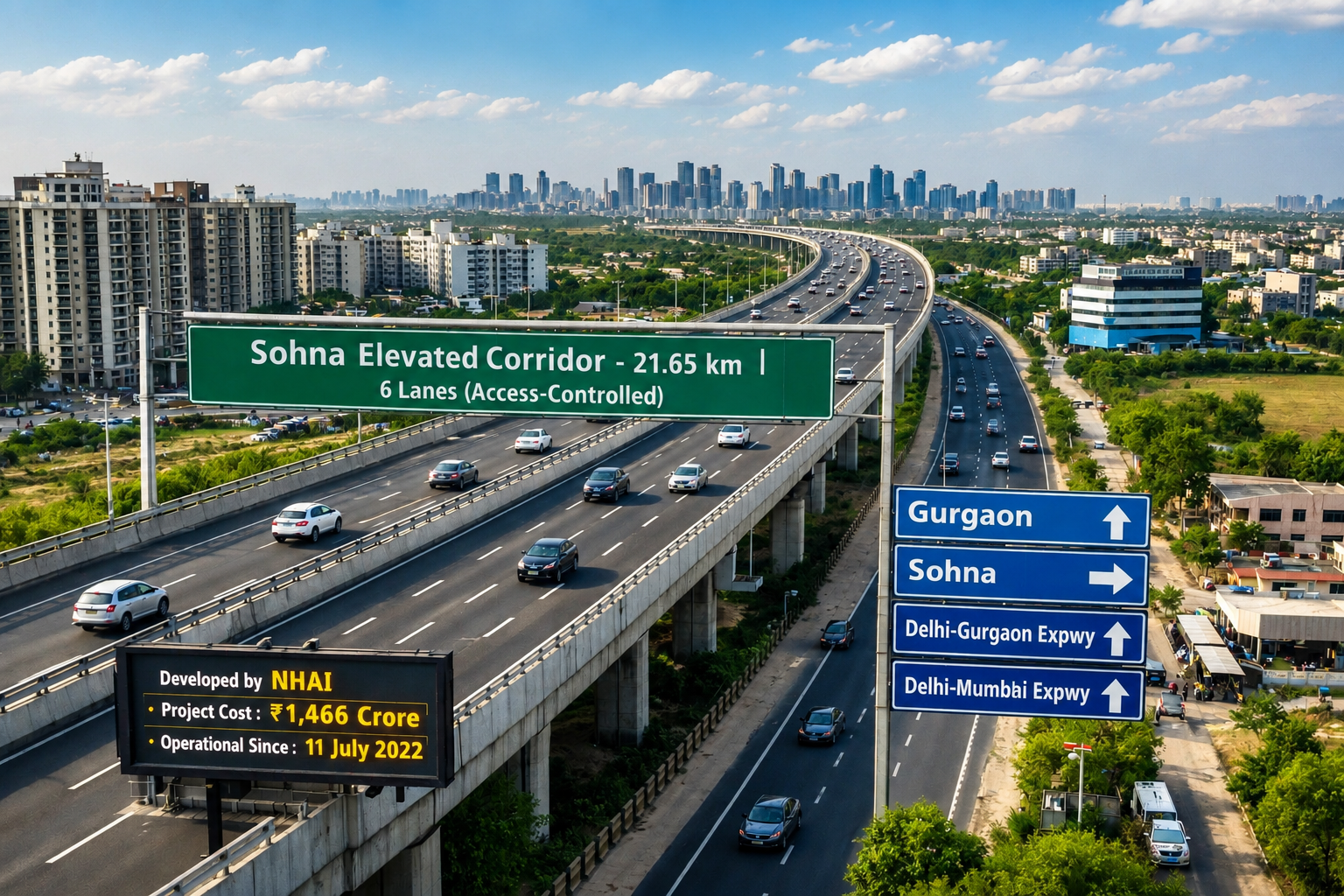
Is Sohna Really the Next Chhatarpur?
Three decades after Chhatarpur redrew South Delhi's map for space, privacy and exclusivity, a familiar pattern is now taking shape further south, and Sohna is where the smart money is beginning to look.
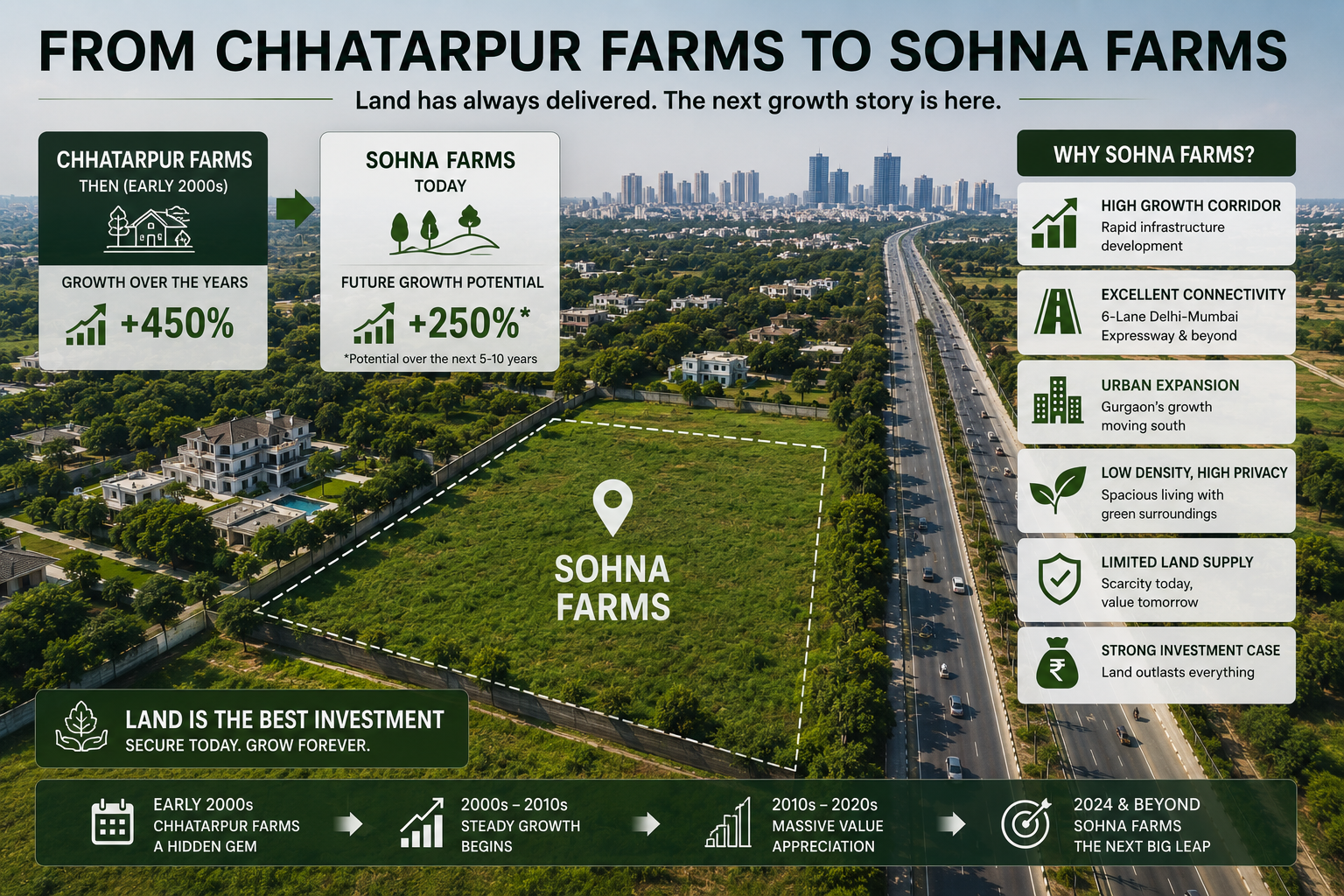
How Chhatarpur Farmhouses Created Multi-Crore Wealth for Early Buyers
What a quiet corner of South Delhi can teach investors about land, scarcity, and long-term wealth creation.
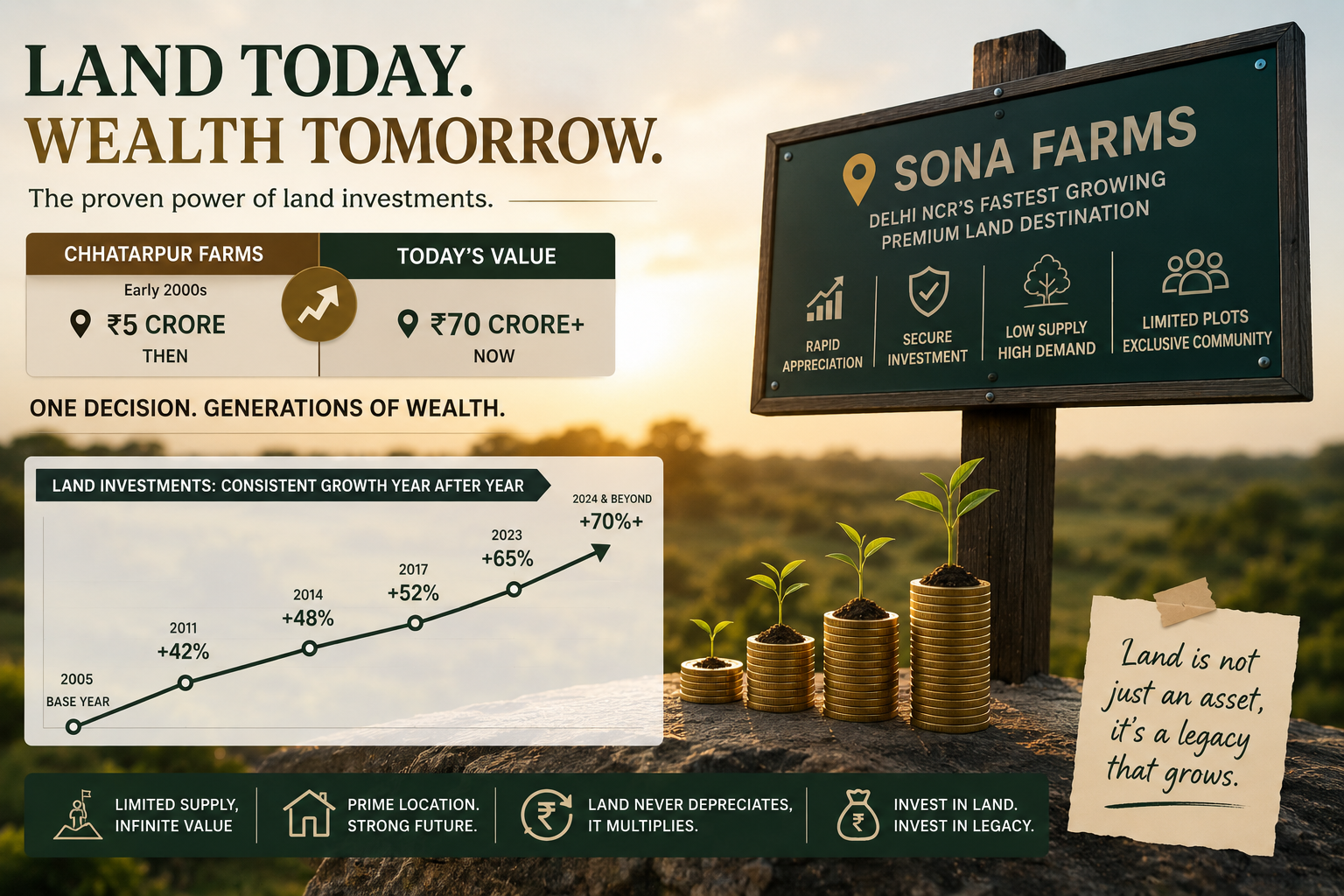
The ₹5 Crore Land Purchase That Became Worth ₹70 Crore
What the Story of DLF Chhatarpur Farms Reveals About Wealth Creation Through Premium Land Ownership
One short email. Stories you can use.
A free, occasional email from our editorial team with our latest features, explainers and reads. Unsubscribe any time — your email stays with us.