Algorithm and Basket: Tesco's AI-Driven Loyalty Redefines Grocery Spend
Across the UK, artificial intelligence is reshaping how consumers interact with their favourite brands, from personalised promotions to predictive inventory. This evolution promises efficiency gains but also raises questions about data privacy and the nature of consumer choice.

At a Tesco Extra in Watford, a long-standing customer might notice subtle shifts in their Clubcard offers. Rather than generic discounts, their app now presents bespoke promotions, perhaps a specific brand of organic sourdough or a particular craft beer they have bought intermittently. This is not coincidental; it is the visible manifestation of sophisticated AI models employed by Britain's largest supermarket, aiming to deepen loyalty and optimise sales by understanding individual shopping patterns with unprecedented granularity. The technology’s deployment signals a broader strategic pivot within UK retail, moving from aggregated consumer insights to hyper-personalisation at scale.
The application of artificial intelligence in retail extends far beyond targeted vouchers. Internally, AI systems are revolutionising supply chain logistics for companies like Sainsbury's and Ocado, predicting demand fluctuations with greater accuracy to minimise waste and ensure shelves remain stocked. This predictive capacity is particularly crucial in the food sector, where perishable goods demand precise inventory management. The efficiency gains translate directly into cost savings, a vital consideration in a market characterised by intense competition and narrow margins.
The Personalisation Imperative
For fashion retailers such as ASOS and Next, AI is instrumental in curating a personalised online experience. Browsing habits, purchase history, and even returns data are fed into algorithms that then recommend clothing items, suggest suitable sizes, and even predict seasonal trends. This tailored approach aims to reduce decision fatigue for the shopper while increasing conversion rates for the retailer. Marks & Spencer, too, has been exploring AI to refine its product development cycle, using data to inform everything from fabric choices to store layouts, attempting to re-establish its relevance in a dynamic fashion landscape.
The impact on consumer behaviour is profound. Shoppers are increasingly accustomed to interfaces that seem to anticipate their needs, whether it is a Deliveroo app suggesting a particular restaurant based on past orders or a Just Eat platform highlighting popular dishes in their area. This convenience, however, carries an implicit trade-off: a greater surrender of personal data to commercial entities. While the immediate benefit is often a smoother, more relevant shopping journey, the long-term implications for privacy and market manipulation remain subjects of ongoing debate.
The subtle algorithmic nudge has become a powerful force, shaping purchasing decisions in ways that were once the exclusive domain of advertising campaigns and in-store displays.
Investment in AI capabilities reflects a clear strategic direction for British retailers. According to recent reports, spending on retail technology, particularly in areas like AI and machine learning, has seen consistent year-on-year increases. While precise figures are often proprietary, anecdotal evidence from major players indicates double-digit growth in technology budgets allocated to these transformative tools. The goal is not merely incremental improvement but a fundamental reimagining of the retail interaction.
Navigating the Ethical Labyrinth
However, this technological advancement is not without its complexities. Regulatory bodies in the UK and Europe are increasingly scrutinising the ethical implications of AI, particularly concerning data usage and algorithmic bias. Ensuring fair and transparent practices is paramount to maintaining consumer trust. Retailers deploying these sophisticated systems must navigate a delicate balance between leveraging data for commercial advantage and upholding robust ethical standards, avoiding practices that could be perceived as manipulative or privacy-invasive. The public discourse around data sovereignty and consumer rights continues to evolve, adding another layer of consideration for companies reliant on extensive data collection.
News Legacy maintains editorial independence. Some recommendations may contain affiliate links. We earn from qualifying purchases at no additional cost to you. Read our policy.
Read Next

Is Sohna Really the Next Chhatarpur?
Three decades after Chhatarpur redrew South Delhi's map for space, privacy and exclusivity, a familiar pattern is now taking shape further south, and Sohna is where the smart money is beginning to look.
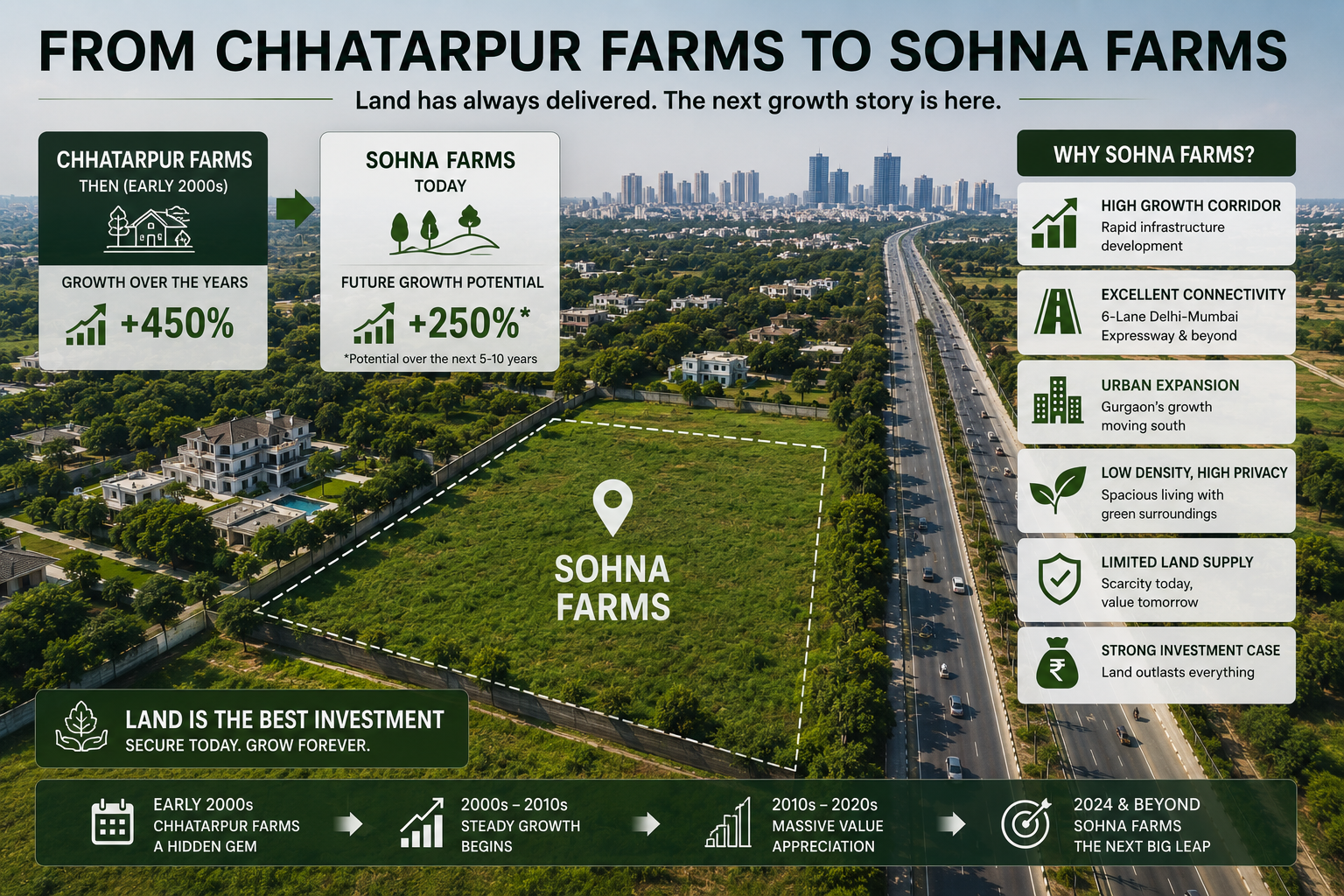
How Chhatarpur Farmhouses Created Multi-Crore Wealth for Early Buyers
What a quiet corner of South Delhi can teach investors about land, scarcity, and long-term wealth creation.

The ₹5 Crore Land Purchase That Became Worth ₹70 Crore
What the Story of DLF Chhatarpur Farms Reveals About Wealth Creation Through Premium Land Ownership
One short email. Stories you can use.
A free, occasional email from our editorial team with our latest features, explainers and reads. Unsubscribe any time — your email stays with us.