Algorithm and Basket: The Silent Revolution in UK Retail
Across Britain, artificial intelligence is reshaping the very fabric of how consumers shop and how retailers operate, from forecasting demand for mince pies to optimising delivery routes in dense urban centres.

At a Tesco Extra in central London, the precise arrangement of fresh produce, the frequency of shelf replenishment, and even promotional displays are increasingly guided by algorithms analysing vast datasets. This shift, from gut feeling and historical trend analysis to predictive analytics, underscores a quiet but profound transformation underway in UK retail. The stakes are considerable: enhanced efficiency, reduced waste, and, crucially, a more finely tuned response to the often-capricious demands of the British consumer, potentially unlocking billions in value.
The deployment of AI extends far beyond the physical shop floor. E-commerce giants like ASOS and Next are leveraging machine learning for everything from personalising product recommendations to optimising pricing strategies in real-time. This sophisticated use of data allows them to anticipate fashion trends with greater accuracy, manage inventory more effectively, and ultimately, drive purchasing decisions by presenting highly relevant options to individual shoppers. The result is a more seamless and intuitive online experience that sets a new bar for customer expectation.
The Data-Driven Supply Chain
One of the most impactful applications of AI in British commerce lies within supply chain management. Companies such as Ocado, known for its highly automated warehouses, utilise complex AI models to forecast demand, orchestrate robotic picking systems, and plan efficient delivery routes across the country. This level of algorithmic foresight minimises stockouts, extends the shelf life of perishable goods, and reduces the carbon footprint associated with inefficient logistics. For a nation grappling with post-Brexit trade complexities and inflationary pressures, optimising these operations is not merely an advantage; it is a strategic imperative.
The integration of AI into logistics also plays a pivotal role in the burgeoning quick commerce sector. Deliveroo and Just Eat employ algorithms to match riders with orders, predict delivery times, and dynamically adjust pay based on real-time factors like weather or peak demand. This intricate digital choreography ensures rapid service in urban environments, fulfilling consumer expectations for immediate gratification, often within minutes, providing a competitive edge in a congested market.
The competitive advantage now belongs to those able to translate petabytes of transactional and behavioural data into meaningful, actionable insights, rather than those relying solely on traditional market surveys.
Personalisation at Scale
From the curated newsletters of Marks & Spencer to the tailored offers presented at Sainsbury's checkouts, AI is enabling a level of personalisation previously unattainable. Recommendation engines, powered by deep learning, analyse purchase history, browsing behaviour, and even demographic data to suggest products that genuinely resonate with individual customers. This approach moves beyond simple demographic segmentation, fostering a more engaging and, for retailers, a more profitable relationship with their customer base. Early data suggests these personalised interventions can increase conversion rates by a significant margin, often in the double digits.
Challenges remain, of course. Ethical considerations surrounding data privacy, the potential for algorithmic bias, and the need for significant investment in both technology and skilled personnel are hurdles that UK retailers must navigate. The regulatory landscape, including data protection legislation, also presents a complex environment for companies seeking to maximise their use of AI. However, the trajectory is clear: the businesses that deftly integrate these technologies are the ones poised for sustained growth and resilience in a volatile economic climate.
The long-term implications are profound. As AI becomes more sophisticated, it will continue to redefine staffing requirements, merchandising strategies, and customer service protocols. The quiet presence of algorithms in everyday transactions is steadily reshaping the consumer experience, ensuring that whether a shopper is searching for a particular brand of tea or a new dress, the discovery process is increasingly intelligent and bespoke.
News Legacy maintains editorial independence. Some recommendations may contain affiliate links. We earn from qualifying purchases at no additional cost to you. Read our policy.
Read Next

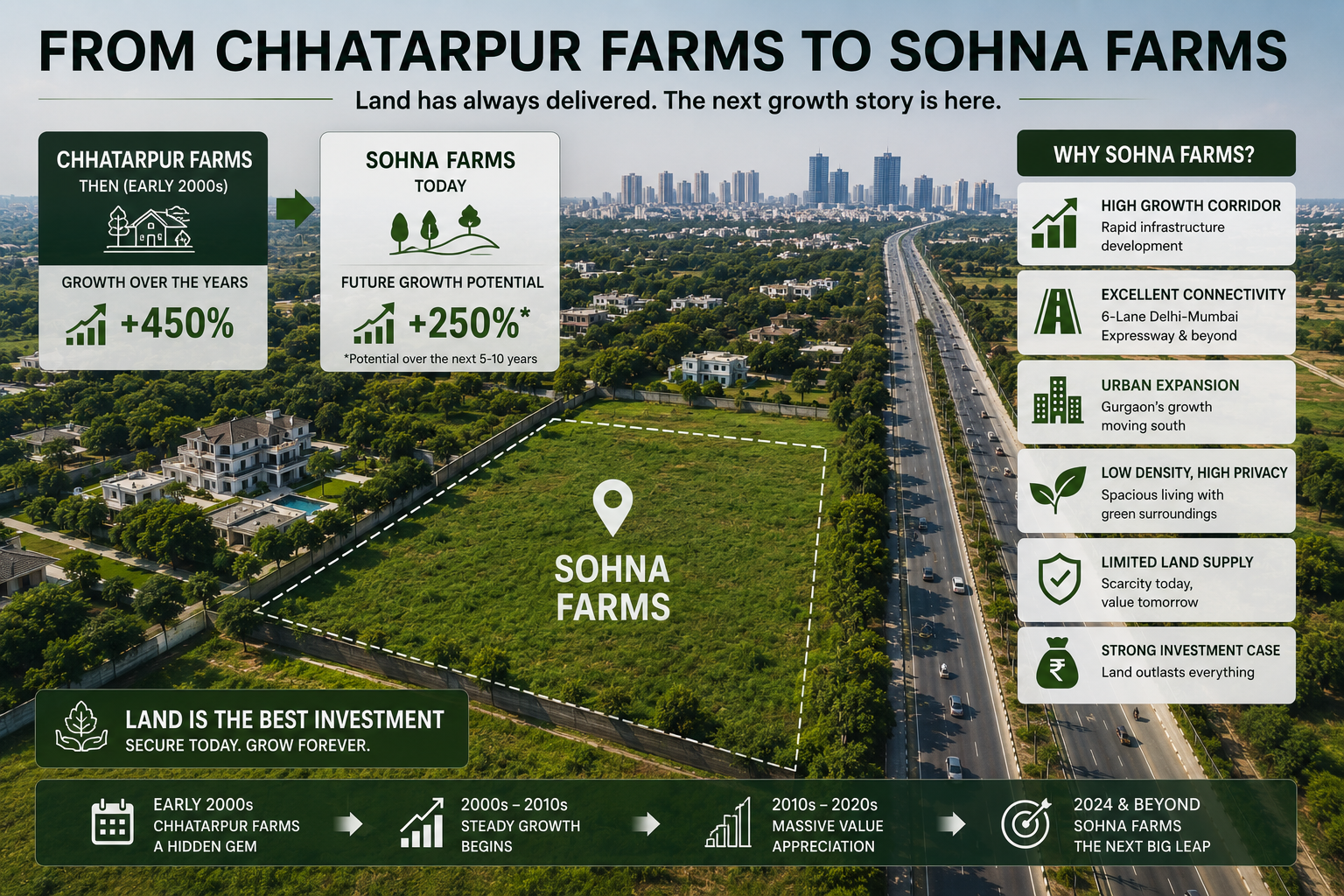
Is Sohna Really the Next Chhatarpur?
Three decades after Chhatarpur redrew South Delhi's map for space, privacy and exclusivity, a familiar pattern is now taking shape further south, and Sohna is where the smart money is beginning to look.
How Chhatarpur Farmhouses Created Multi-Crore Wealth for Early Buyers
What a quiet corner of South Delhi can teach investors about land, scarcity, and long-term wealth creation.

The ₹5 Crore Land Purchase That Became Worth ₹70 Crore
What the Story of DLF Chhatarpur Farms Reveals About Wealth Creation Through Premium Land Ownership
One short email. Stories you can use.
A free, occasional email from our editorial team with our latest features, explainers and reads. Unsubscribe any time — your email stays with us.