Algorithmic Mediation Displaces the Digital Grocery Endcap
As conversational search interfaces replace the standard product grid across major retail platforms, consumer brands face an opaque sorting mechanism that prioritizes retailer margin over legacy shelf dominance.

Inside an Amazon fulfillment center in Pennsylvania or a regional Walmart distribution hub outside Dallas, logistics software has long governed which inventory moves to the staging line. Yet over the past six months, that algorithmic primacy has migrated directly to the consumer interface. Rather than scrolling through twenty sponsored search results for laundry detergent, a rising cohort of American shoppers now uses conversational assistants to assemble baskets through prompts such as restock my kitchen essentials or find ingredients for dinner under thirty dollars. The shift matters because it threatens to destabilize the high-margin retail media market that has cushioned American merchants against inflationary labor and freight costs.
For the past half-decade, retail media networks have served as the commercial anchor for digital storefronts. Amazon reported tens of billions of dollars in advertising services over recent quarters, driven almost entirely by consumer brands bidding for top-of-page placement. Walmart Connect and Target's Roundel division built similar multi-billion-dollar enterprises on the premise that digital real estate could be rented like prime endcaps in physical aisles. However, conversational commerce alters the geometry of the transaction. A smartphone screen or chat dialogue cannot accommodate sixteen paid sponsored listings without alienating the shopper; it accommodates one or two tailored recommendations at most.
The Compression of Choice Architecture
When a platform interface condenses an entire category into a singular purchasing recommendation, the traditional discovery phase vanishes. In traditional keyword search, an insurgent consumer goods brand could outbid an incumbent manufacturer to buy visibility on page one, banking on impulse purchases or attractive packaging to convert the browser. Algorithmic assistants operate under different incentives. They weigh historical basket data, regional fulfillment proximity, return rates, and real-time wholesale margin. A packaged food company with flawless national television advertising can find itself entirely excluded from a generated cart if an algorithmic triage determines that a local distribution center lacks immediate delivery parity.
When conversational agents compress a catalog of fifty options into a singular purchasing recommendation, shelf space is no longer rented; it is computed.
Private Labels and the Training Advantage
This interface compression grants an outsized structural advantage to retailers with established private-label portfolios and rich store-level data. Walmart's Great Value and Costco's Kirkland Signature have already captured significant grocery market share as middle-income households adjust to sustained price increases on national branded staples. In conversational pilots, retail algorithms exhibit an inherent bias toward house brands: proprietary items rarely suffer vendor supply disruptions, their gross margins are consistently wider, and the platform retains absolute pricing autonomy.
The institutional reaction from consumer packaged goods conglomerates has been swift, if defensive. Leading food and personal care manufacturers are quietly reallocating capital away from broad retail media bidding campaigns toward automated supply-chain integrations. To remain visible to automated ordering bots across Instacart, Shopify storefronts, and regional grocers, brands must ensure their product feeds deliver micro-level data: precise dietary attributes, verified carbon metrics, and inventory confirmations updated down to the minute. In this operating environment, missing an automated stock notification carries far steeper penalties than a reduction in ad spend.
The emerging dynamic presents a paradox for American retail economics. For the shopper, conversational cart compilation promises friction-free savings and less time spent vetting commodity goods. For retailers, it secures tighter control over product mix and margins. But for the manufacturing brands that historically relied on marketing scale to command American household loyalty, the loss of an open, visual shelf represents an existential transition: relevance is no longer negotiated in the boardroom or purchased in an ad auction, but determined by an algorithm optimizing for the merchant's bottom line.
News Legacy maintains editorial independence. Some recommendations may contain affiliate links. We earn from qualifying purchases at no additional cost to you. Read our policy.
Read Next

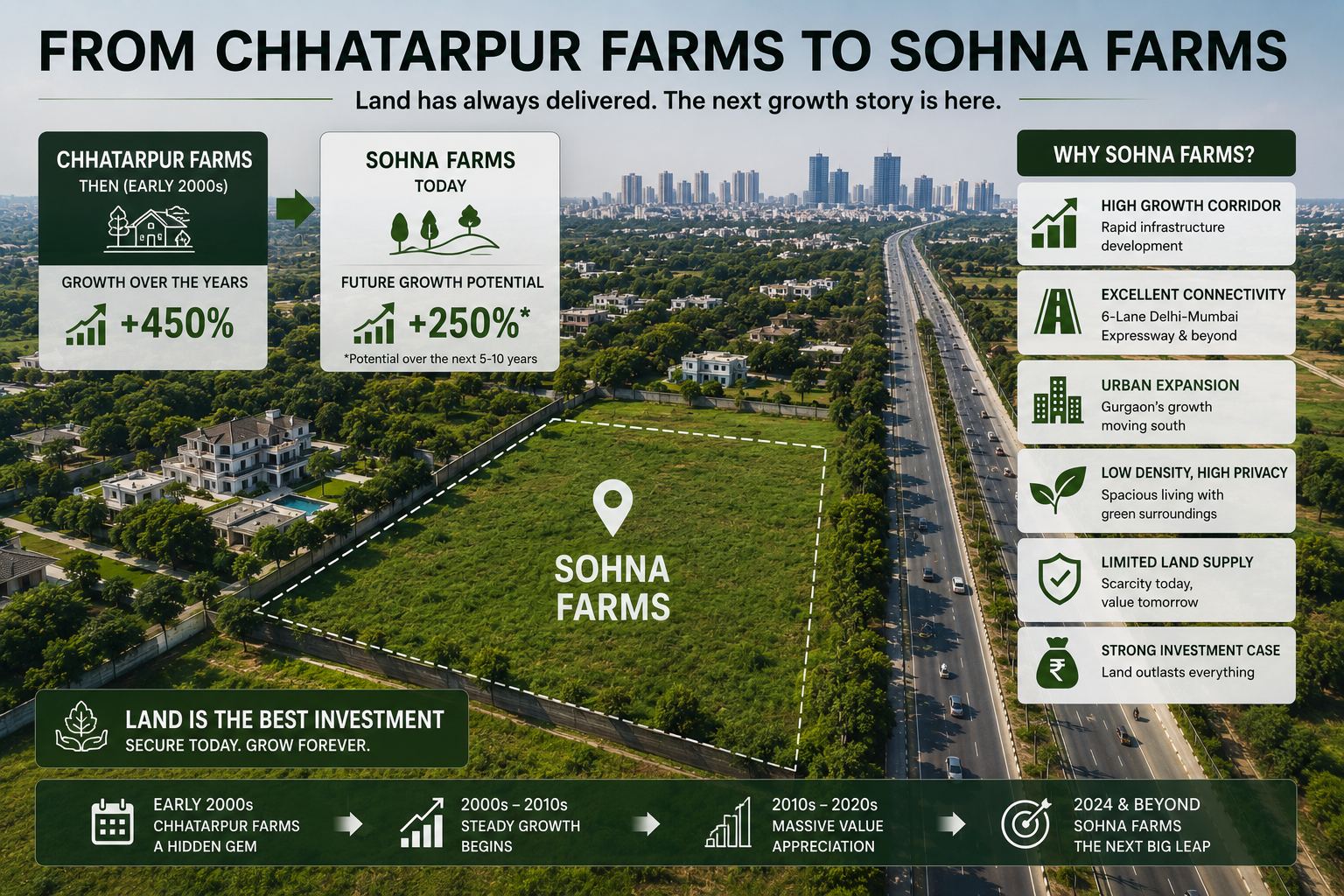
Is Sohna Really the Next Chhatarpur?
Three decades after Chhatarpur redrew South Delhi's map for space, privacy and exclusivity, a familiar pattern is now taking shape further south, and Sohna is where the smart money is beginning to look.
How Chhatarpur Farmhouses Created Multi-Crore Wealth for Early Buyers
What a quiet corner of South Delhi can teach investors about land, scarcity, and long-term wealth creation.

The ₹5 Crore Land Purchase That Became Worth ₹70 Crore
What the Story of DLF Chhatarpur Farms Reveals About Wealth Creation Through Premium Land Ownership
One short email. Stories you can use.
A free, occasional email from our editorial team with our latest features, explainers and reads. Unsubscribe any time — your email stays with us.