Algorithmic Precision Reshapes British Retail's Margins
The adoption of advanced AI is moving beyond customer-facing chatbots, subtly optimising the critical, intricate operations that define profitability for UK retailers.

At Tesco's distribution centres, algorithms are now dictating the precise quantity of fresh produce to dispatch to each superstore, factoring in localised weather forecasts, historical sales data, and even major sporting events scheduled for a particular postcode. This granular forecasting, replicated across various sectors of the British retail landscape, underscores a fundamental shift: artificial intelligence is increasingly less about flashy front-end applications and more about embedded intelligence streamlining the complex, often unseen, logistical arteries of commerce. The impact on inventory management, waste reduction, and ultimately, the bottom line, is proving substantial.
For years, the discourse around AI in retail frequently centred on personalised recommendations on e-commerce platforms or the novelty of self-checkout kiosks. While these applications continue to evolve, the true competitive advantage is emerging from the deployment of AI in supply chain optimisation, demand prediction, and dynamic pricing. Companies like Ocado, with its heavily automated warehouses and sophisticated routing software, exemplify this trend, achieving efficiencies that traditional grocers are now striving to emulate.
The Invisible Hand of Predictive Analytics
Consider the challenges faced by fashion retailers such as ASOS and Next. The capricious nature of consumer trends, compounded by seasonal shifts and unpredictable viral moments, creates immense pressure on stock levels. Overstocking leads to costly markdowns and warehouse congestion, while understocking results in lost sales and frustrated customers. AI-driven predictive analytics tools, analysing a vast array of data points from social media sentiment to macroeconomic indicators, offer a more nuanced approach than traditional statistical methods. This allows for more precise initial buy-ins and more agile in-season adjustments, directly impacting gross margins.
Beyond fashion, even food delivery services like Deliveroo and Just Eat are leveraging AI to optimise driver routes, predict order peaks, and manage kitchen capacity for their restaurant partners. These systems constantly analyse traffic patterns, order volumes, and even local events to minimise delivery times and maximise driver utilisation, thereby enhancing customer satisfaction and operational efficiency.
The financial implications of these refinements are becoming increasingly evident. Even marginal improvements in demand forecasting, for instance, can translate into millions of pounds saved annually for a major supermarket chain like Sainsbury's, through reduced spoilage of perishable goods. This is not merely about incremental gains; it is about fundamentally altering the economics of retail operations.
Reshaping the Workforce and Investment Priorities
The real revolution lies in augmenting human decision-making with computational power, freeing up resources from routine tasks to focus on strategic innovation.
Investment in these sophisticated AI systems is substantial, often requiring significant capital outlay in data infrastructure and specialist talent. Marks & Spencer, for example, has been steadily investing in data science capabilities to modernise its supply chain and product assortment strategies. This shift in investment priorities signals a recognition that operational excellence, underpinned by AI, is no longer a luxury but a strategic imperative.
However, the proliferation of AI in these back-end operations also raises questions about the future of the retail workforce. While some roles may be automated, the demand for data scientists, AI ethicists, and specialists capable of interpreting and managing these complex systems is on the rise. The UK's retail sector is currently navigating this transition, balancing the immediate efficiency gains against the longer-term structural adjustments required for this new era of algorithmic commerce.
News Legacy maintains editorial independence. Some recommendations may contain affiliate links. We earn from qualifying purchases at no additional cost to you. Read our policy.
Read Next
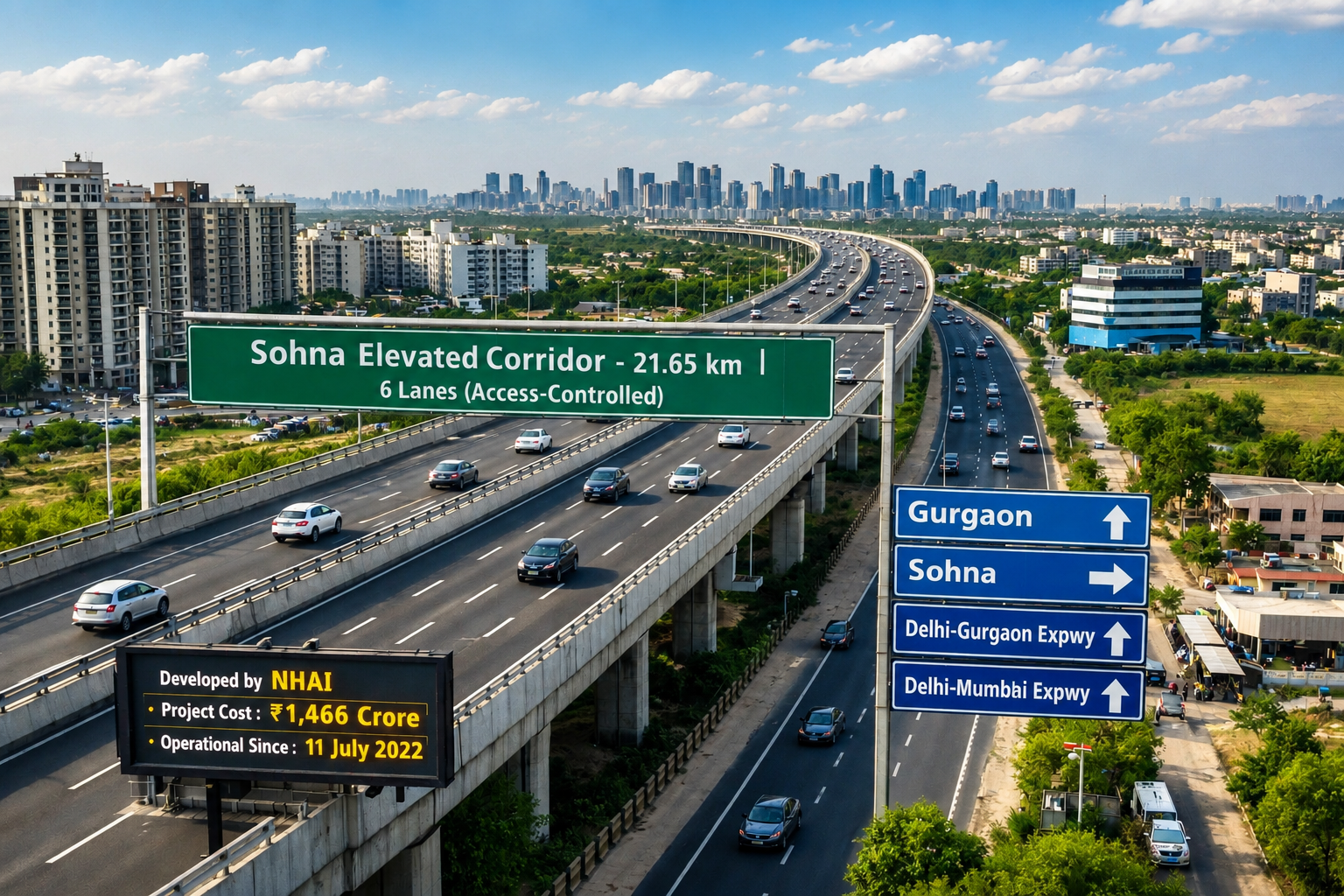
Is Sohna Really the Next Chhatarpur?
Three decades after Chhatarpur redrew South Delhi's map for space, privacy and exclusivity, a familiar pattern is now taking shape further south, and Sohna is where the smart money is beginning to look.
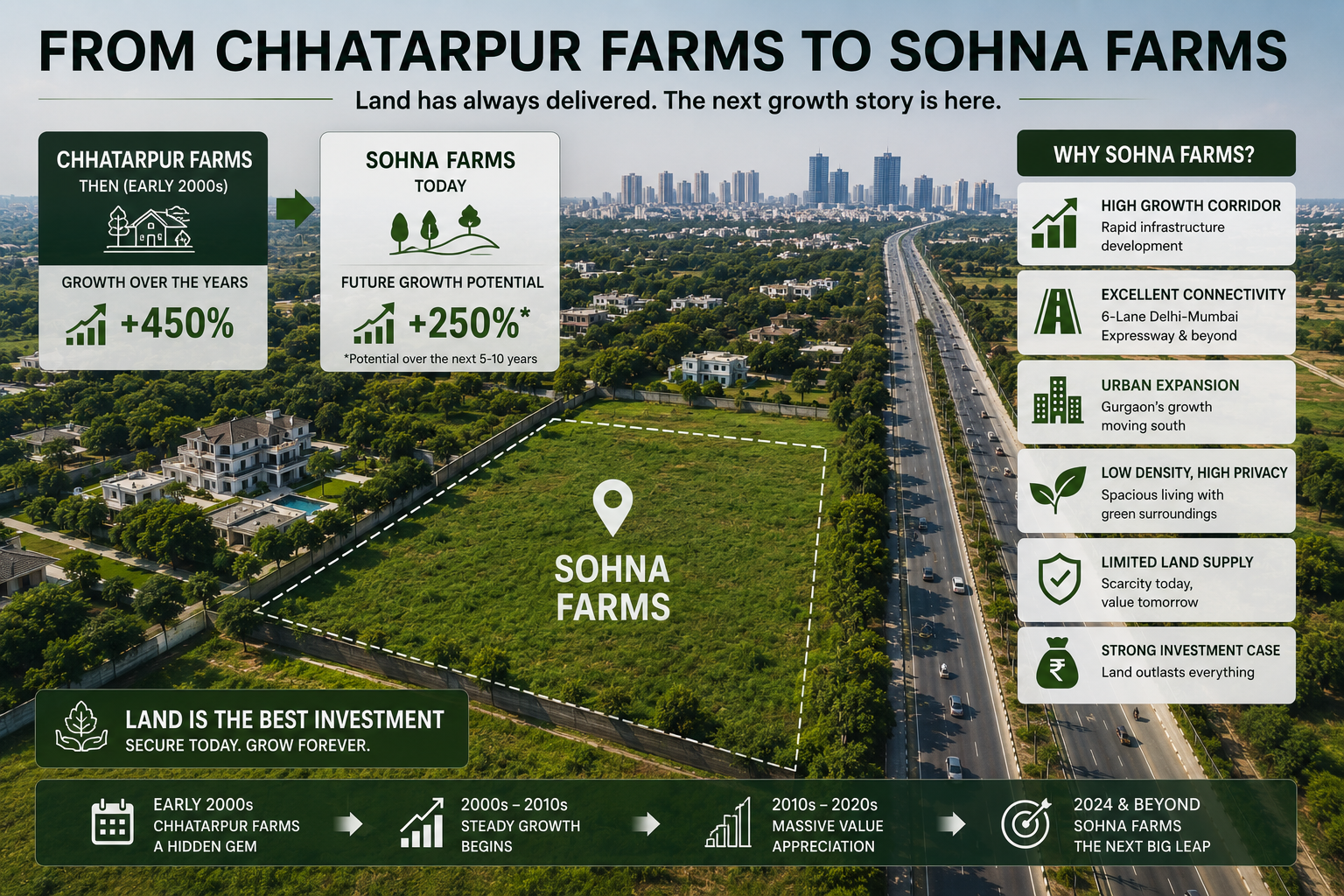
How Chhatarpur Farmhouses Created Multi-Crore Wealth for Early Buyers
What a quiet corner of South Delhi can teach investors about land, scarcity, and long-term wealth creation.

The ₹5 Crore Land Purchase That Became Worth ₹70 Crore
What the Story of DLF Chhatarpur Farms Reveals About Wealth Creation Through Premium Land Ownership
One short email. Stories you can use.
A free, occasional email from our editorial team with our latest features, explainers and reads. Unsubscribe any time — your email stays with us.