Algorithms in the Aisles: The Quiet Transformation of UK Retail
Across Britain's high streets and digital storefronts, artificial intelligence is reshaping consumer engagement and operational efficiencies, moving beyond novelty to become a fundamental pillar of modern commerce.

At Tesco's distribution centres, algorithms are not merely optimising delivery routes or predicting stock levels; they are intricately managing the flow of millions of items daily, from fresh produce destined for London's urban Express stores to packaged goods heading to larger out-of-town superstores. This application of sophisticated computing represents a significant shift from traditional inventory management, influencing everything from supply chain resilience to shelf availability for the average shopper.
The integration of artificial intelligence within the UK retail sector extends far beyond the warehouse. From ASOS's personalised style recommendations to Next's data-driven assortment planning, AI is increasingly instrumental in tailoring the shopping experience. Retailers are deploying these technologies to understand subtle shifts in consumer demand, anticipate purchasing patterns, and manage vast, complex product catalogues with greater precision than human analysis alone could achieve.
The Data-Driven High Street
Marks & Spencer, for instance, has invested substantially in AI to refine its clothing lines and food offerings, aiming to better align stock with regional preferences and evolving tastes. This approach mitigates the risk of overstocking unpopular items while ensuring popular products remain readily available. Such granular insight is particularly valuable in a competitive market where consumer loyalty can be fickle and margins are often tight.
The impact on operational costs is equally compelling. Ocado, a pioneer in automated grocery fulfilment, leverages AI extensively across its robotic warehouses, achieving levels of efficiency that would be unattainable through manual processes. This technological backbone allows for rapid order picking and packing, reducing labour costs per item and facilitating faster delivery windows, a critical advantage in the highly competitive online grocery market.
Meanwhile, food delivery platforms like Deliveroo and Just Eat utilise AI to optimise rider routes, manage dynamic pricing, and predict demand surges in specific urban areas, such as during major sporting events or adverse weather conditions. These systems minimise delivery times and operational waste, directly influencing profitability and customer satisfaction.
One industry analyst observes that the imperative for UK retailers to adopt advanced analytical tools is no longer a strategic option but a baseline requirement for maintaining competitive parity.
Navigating the New Consumer Landscape
The British consumer, increasingly accustomed to personalised digital interactions and expedited services, indirectly drives much of this AI adoption. Shoppers expect seamless online experiences, relevant product suggestions, and prompt, reliable delivery. Retailers that fail to meet these expectations risk losing market share to competitors who leverage AI to deliver superior service and convenience. The financial ramifications of such competitive gaps can be substantial, measured in millions of pounds of lost revenue annually.
While the technological shift presents considerable opportunities, challenges persist. Ethical considerations surrounding data privacy, the potential for job displacement in certain sectors, and the significant capital investment required for robust AI infrastructure remain pertinent discussion points. Nevertheless, the trajectory towards more intelligent, automated retail operations appears irreversible, fundamentally altering how goods are bought, sold, and delivered across the United Kingdom.
News Legacy maintains editorial independence. Some recommendations may contain affiliate links. We earn from qualifying purchases at no additional cost to you. Read our policy.
Read Next
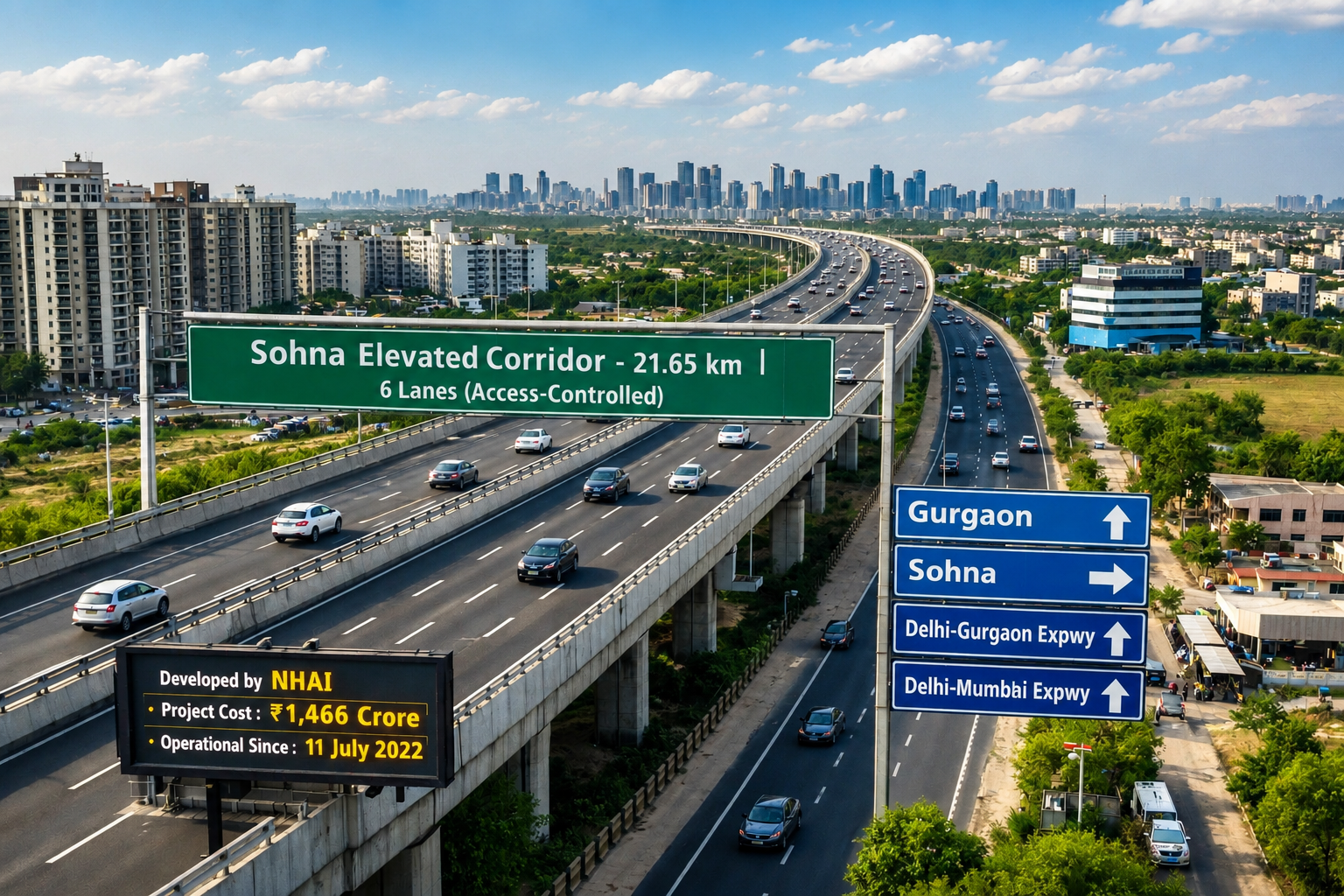
Is Sohna Really the Next Chhatarpur?
Three decades after Chhatarpur redrew South Delhi's map for space, privacy and exclusivity, a familiar pattern is now taking shape further south, and Sohna is where the smart money is beginning to look.
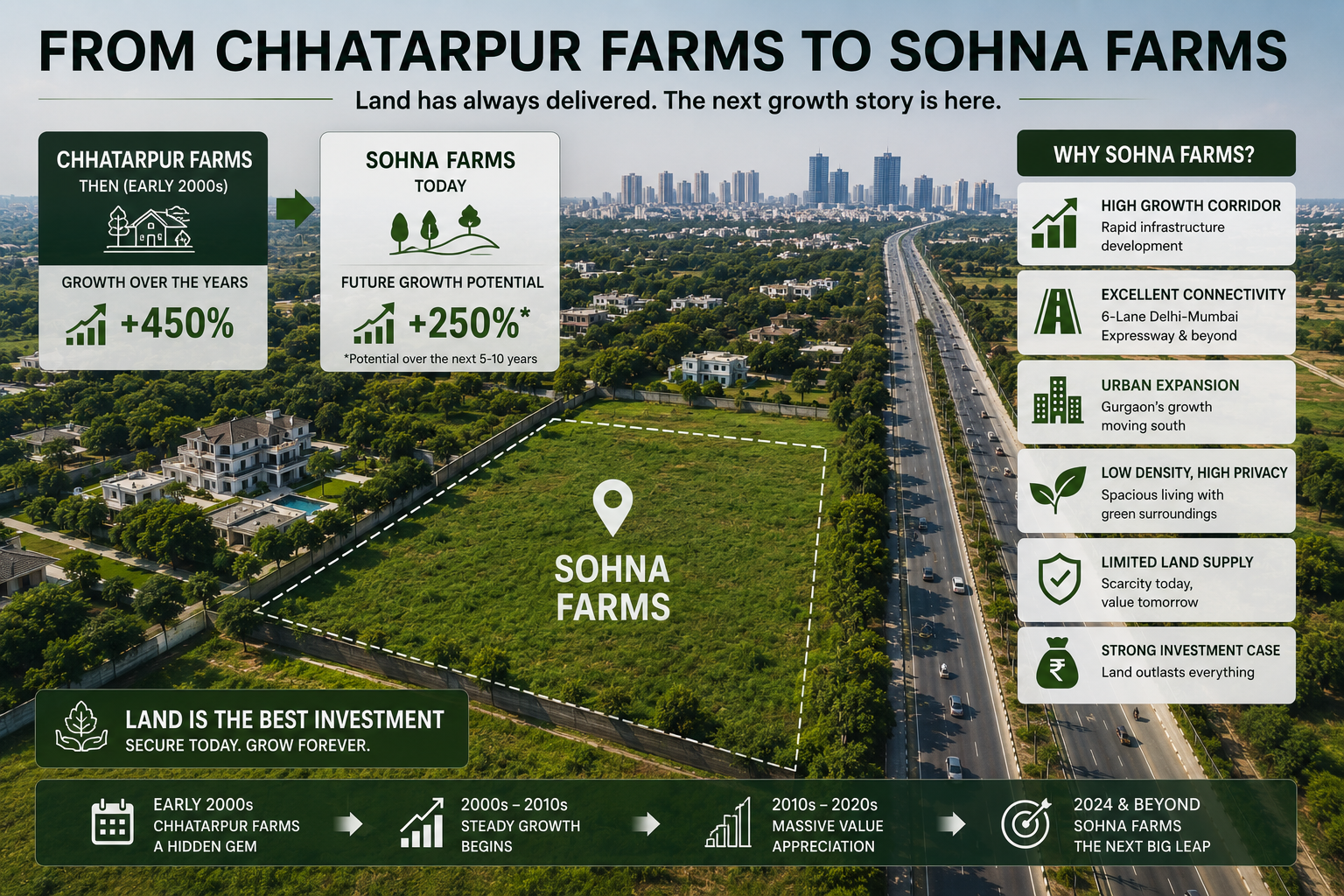
How Chhatarpur Farmhouses Created Multi-Crore Wealth for Early Buyers
What a quiet corner of South Delhi can teach investors about land, scarcity, and long-term wealth creation.

The ₹5 Crore Land Purchase That Became Worth ₹70 Crore
What the Story of DLF Chhatarpur Farms Reveals About Wealth Creation Through Premium Land Ownership
One short email. Stories you can use.
A free, occasional email from our editorial team with our latest features, explainers and reads. Unsubscribe any time — your email stays with us.