Amazon's Affiliate Evolution: Beyond the Click, Toward Curated Commerce
The dominant e-commerce giant is subtly shifting its affiliate strategy, moving from pure transaction referral to integrating content and creator-driven recommendations more deeply into the purchasing funnel, signaling a broader industry trend.

When a user navigates from an external product review blog to an Amazon listing, the journey typically culminates in a purchase, crediting the originating site with a small commission. This established mechanism has been foundational to Amazon's affiliate program, known as Amazon Associates. However, recent adjustments, particularly around commission structures and the emphasis on on-platform content, indicate a strategic pivot that prioritizes deeper consumer engagement and curated discovery over mere referral volume.
This shift is not occurring in a vacuum. The broader affiliate marketing landscape in the US, valued at over $8 billion annually, is experiencing a maturation. As consumers grow more discerning about authenticity and value, the efficacy of generic, high-volume link dropping diminishes. Retailers are increasingly seeking partners who can genuinely influence purchasing decisions through contextual relevance and editorial authority.
The Rise of Embedded Influence
Traditional affiliate models often operated at the periphery of the shopping experience. A blogger would write about a product, insert a link, and collect a percentage if a sale materialized. Now, platforms like TikTok Shop are demonstrating the power of integrated commerce, where product discovery, recommendation, and transaction often occur within the same digital ecosystem. Amazon's investments in features like 'Inspire' and its renewed focus on creators within its own app reflect an attempt to internalize this dynamic.
The implications for content creators are significant. Those who have built audiences around specific niches, such as sustainable fashion or home improvement, find themselves in a stronger negotiating position. Their ability to contextualize products and build trust often yields higher conversion rates, making them more valuable partners than aggregators of generic deals. This pushes the affiliate model closer to a form of sponsored content, but with performance-based remuneration.
Major retailers, including Walmart and Target, are also refining their affiliate engagements. While their programs might not possess the sheer scale of Amazon's, they are actively pursuing partnerships that align with their brand identities and customer bases. For instance, a lifestyle blogger featuring Target's home decor items could drive more impactful sales than a site simply listing discount codes.
The Data-Driven Undercurrent
Underlying these strategic shifts is a sophisticated understanding of consumer behavior. Data analytics reveal that purchases influenced by authentic recommendations often lead to higher average order values and stronger customer loyalty. This contrasts with purely price-driven transactions, which can sometimes attract transient customers. Retailers are prioritizing long-term customer relationships over short-term sales spikes.
The affiliate channel is evolving from a transactional conduit into a vital component of brand storytelling and community building.
Consider the grocery delivery sector. Instacart, for example, integrates shoppable recipes and curated lists, often developed with food bloggers and influencers. This approach blurs the line between content creation and commerce, making the affiliate a more integral part of the consumer's decision-making process. The value proposition for the retailer moves beyond just the sale to encompass brand discovery and engagement.
The growing complexity also introduces challenges. Attribution models must become more sophisticated to accurately credit multiple touchpoints in a conversion path. Furthermore, the push for authenticity requires rigorous vetting of affiliate partners to ensure their recommendations genuinely align with consumer interests and regulatory guidelines, avoiding deceptive practices that erode trust. The trajectory points towards a more integrated, curated, and data-informed future for affiliate marketing across the American retail landscape.
News Legacy maintains editorial independence. Some recommendations may contain affiliate links. We earn from qualifying purchases at no additional cost to you. Read our policy.
Read Next

Is Sohna Really the Next Chhatarpur?
Three decades after Chhatarpur redrew South Delhi's map for space, privacy and exclusivity, a familiar pattern is now taking shape further south, and Sohna is where the smart money is beginning to look.
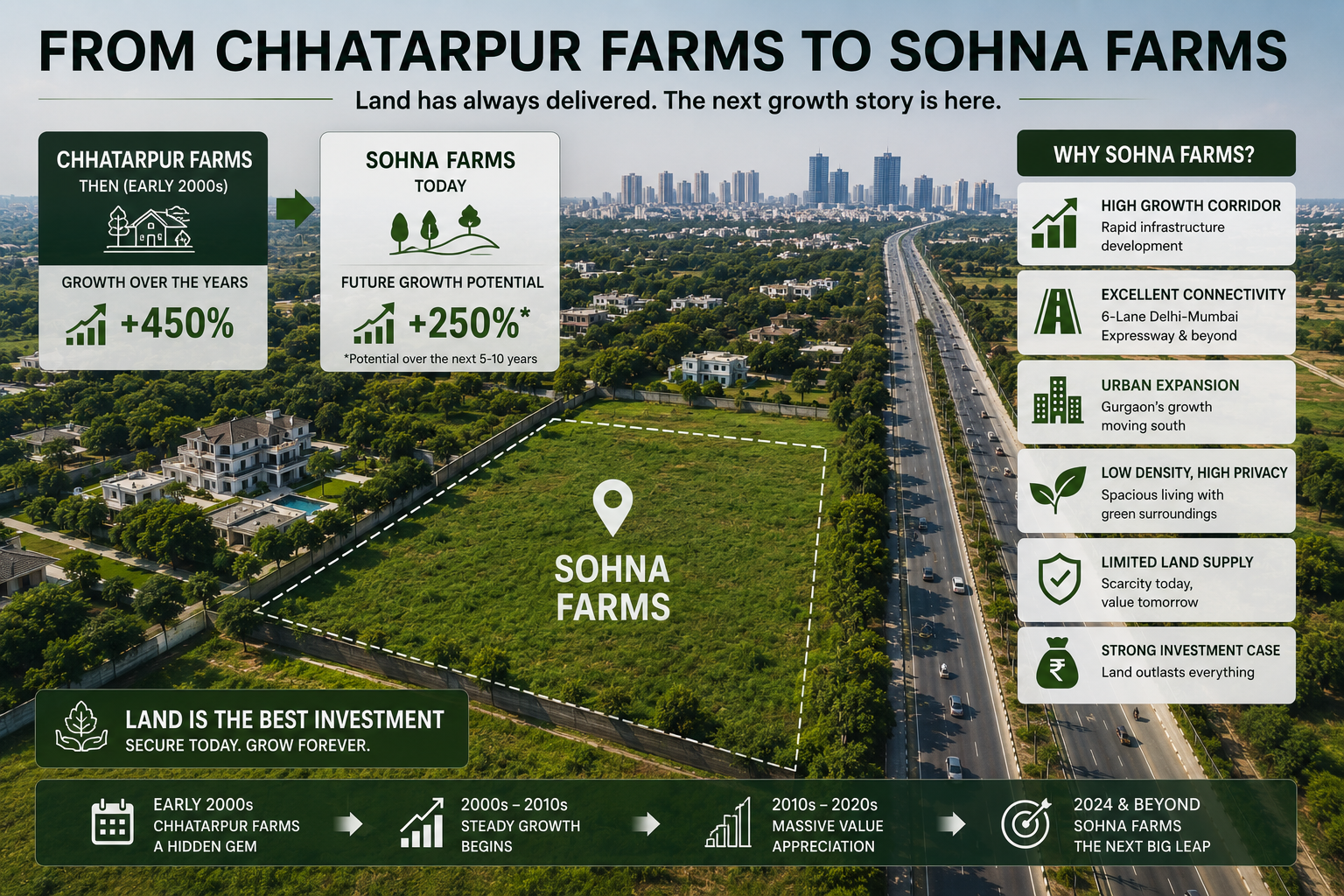
How Chhatarpur Farmhouses Created Multi-Crore Wealth for Early Buyers
What a quiet corner of South Delhi can teach investors about land, scarcity, and long-term wealth creation.

The ₹5 Crore Land Purchase That Became Worth ₹70 Crore
What the Story of DLF Chhatarpur Farms Reveals About Wealth Creation Through Premium Land Ownership
One short email. Stories you can use.
A free, occasional email from our editorial team with our latest features, explainers and reads. Unsubscribe any time — your email stays with us.